From Ancient Temples to Modern Cafés: The Rise of Matcha as the Ultimate Coffee Alternative
Discover the rich history of matcha from Zen Buddhist monks to TikTok trends, and explore the science-backed reasons why millions are switching from coffee...
If you've scrolled through social media lately, you've likely noticed the unmistakable bright green hue of matcha lattes flooding your feed. What was once an obscure ceremonial beverage reserved for Zen monks has become one of the fastest-growing drink trends worldwide. But matcha isn't just another fleeting fad—it carries nearly a thousand years of history, and science-backed reasons why millions are making the switch from their morning coffee.
The Ancient Origins of Matcha
The story of matcha begins in China during the Tang Dynasty (618–907 CE), when tea leaves were steamed, pressed into bricks for easier transport, and then ground into powder for consumption. This method gained significant popularity during the subsequent Song Dynasty (960–1279 CE), when the practice of whisking powdered tea with hot water became widespread among Buddhist monks and scholars who valued its calming yet energizing properties.
The transformation of matcha into a distinctly Japanese tradition began in 1191 CE when Eisai, a Zen Buddhist monk, returned to Japan from his studies in China. He brought tea seeds with him and planted them on Mount Sefuri, later sharing seeds with another monk, Myōe, who cultivated them near a temple in the Uji region—an area that remains renowned for superior matcha production to this day. Eisai went on to write Kissa Yōjōki ("Drinking Tea for Your Health"), the first Japanese literature describing the cultivation methods and health benefits of tea.
During the Muromachi period in the 16th century, Japanese tea farmers developed the shade-grown cultivation technique that defines modern matcha. By covering tea plants for several weeks before harvest, they discovered that the leaves produced higher levels of chlorophyll (giving matcha its vibrant green color) and amino acids like L-theanine (responsible for its characteristic umami flavor and calming effects). These specially grown leaves, called tencha, are then stone-ground into the fine powder we know as matcha.
The Japanese Tea Ceremony: Matcha as Spiritual Practice
Matcha became central to the development of chanoyu (the Japanese tea ceremony), which flourished in the 15th and 16th centuries under tea masters like Murata Juko and Sen no Rikyū. These masters elevated tea drinking into an art form, emphasizing simplicity, humility, and mindfulness. Sen no Rikyū, often considered the most influential figure in Japanese tea history, established the four principles of the tea ceremony: wa (harmony), kei (respect), sei (purity), and jaku (tranquility).
For centuries, matcha remained a luxury product reserved for the elite and spiritual practitioners. The tea ceremony was an elaborate affair that could last four to five hours, beginning with a multi-course meal and culminating in the ritualistic preparation and consumption of matcha. Every movement—from the cleaning of utensils to the whisking of the tea—carried deep symbolic meaning.
The Modern Matcha Explosion
Fast-forward to the 21st century, and matcha has undergone a remarkable transformation from ceremonial secret to global phenomenon. The numbers tell a compelling story: the global matcha market is valued at approximately $4.3 billion and is projected to reach nearly $7 billion by 2030, with a compound annual growth rate of 7.9%. In 2025 alone, wholesale matcha sales have jumped 100% year-over-year for some suppliers, while cafés report matcha sales that outpace even espresso at certain locations.
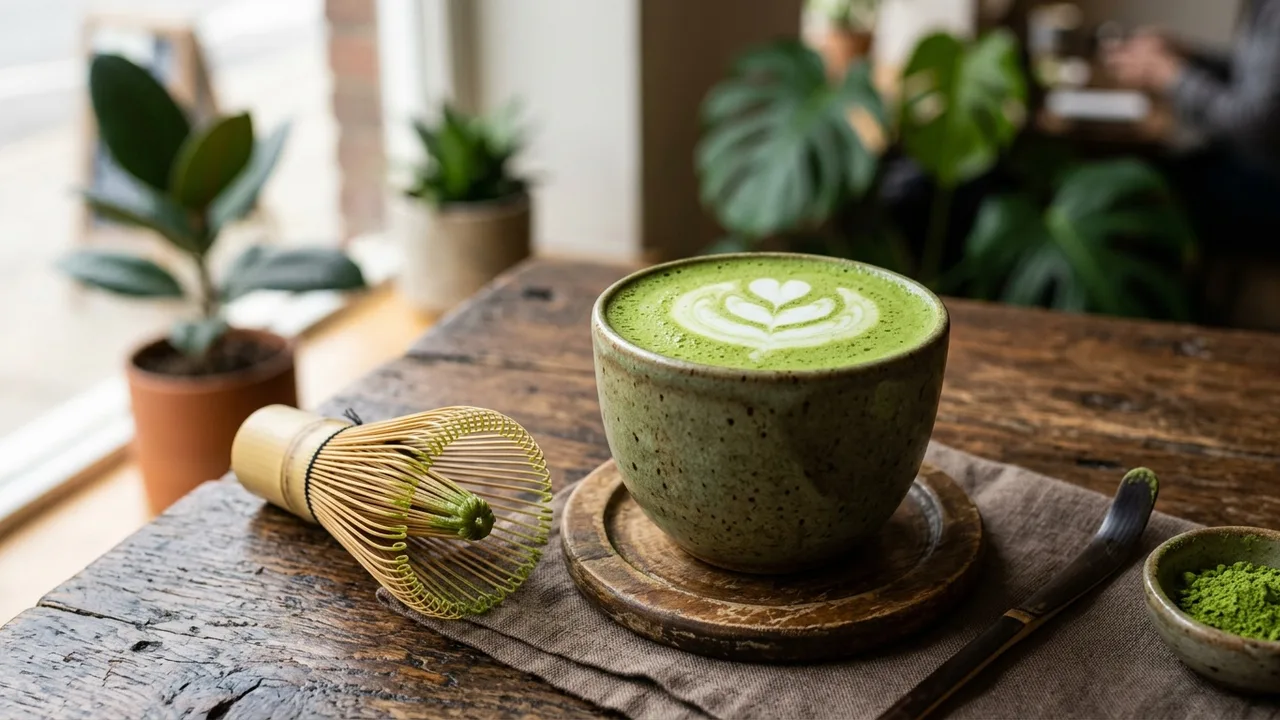
Social media has played a pivotal role in matcha's meteoric rise. On TikTok, videos tagged #matcha have accumulated billions of views, with influencers showcasing everything from aesthetic latte art to detailed comparisons of different Japanese growing regions. The drink's vibrant green color makes it inherently photogenic—a crucial factor in the Instagram age. Black Sheep Coffee reported a 227% year-over-year surge in iced beverage sales following the launch of their matcha-based drinks, with some locations seeing matcha sales overtake traditional espresso.
Perhaps most significantly, Gen Z is driving this shift. According to recent data, Gen Z consumers drink significantly less coffee than previous generations and are increasingly seeking alternatives that align with their wellness-focused values. The National Coffee Association's Spring 2025 report found that Gen Z consumes more tea-based beverages than coffee—a generational shift that represents a fundamental change in how people energize.
Why Matcha is Becoming the Preferred Coffee Alternative
The L-Theanine Advantage
The key differentiator between matcha and coffee lies in an amino acid called L-theanine. While a typical cup of coffee contains 80–140mg of caffeine that hits your system quickly (causing the familiar spike and crash), matcha delivers a more moderate 50–70mg of caffeine alongside substantial amounts of L-theanine—up to five times more than regular green tea.
L-theanine promotes the production of calming neurotransmitters like GABA and serotonin, creating a state of "calm alertness" that coffee simply cannot provide. Research published in the journal Biological Psychology demonstrated that combining L-theanine with caffeine resulted in faster reaction times, improved working memory, and better accuracy on cognitive tasks—without the jitteriness. The L-theanine essentially "smooths out" the caffeine experience, slowing its absorption and providing sustained energy over 4–6 hours rather than a quick spike followed by a crash.
Antioxidant Powerhouse
Because you consume the entire ground tea leaf rather than just steeping it, matcha delivers significantly higher concentrations of beneficial compounds. The catechin EGCG (epigallocatechin gallate) is the star of the show—a powerful antioxidant that has been studied for its potential anti-inflammatory, cardiovascular, and neuroprotective effects. Research suggests that matcha contains substantially higher levels of catechins compared to regular steeped green tea, and unlike coffee, which contains no catechins, one cup of matcha can provide meaningful antioxidant benefits.
Studies published in peer-reviewed journals like the Journal of Medicinal Food and the American Journal of Clinical Nutrition have linked green tea compounds to benefits including improved fat oxidation during exercise, better cardiovascular markers, and potential cognitive protection.
Stress Reduction vs. Stress Induction
Coffee is known to spike cortisol levels, especially when consumed first thing in the morning. For many people, this can exacerbate feelings of anxiety and stress. Matcha, on the other hand, has been clinically shown to reduce stress markers. A study published in Nutrients found that matcha consumption decreased anxiety and physiological stress markers in participants. The theanine in matcha promotes alpha brain waves—the same brain state associated with meditation and relaxation.
No Crash, No Withdrawal
Anyone who has tried to quit coffee knows the withdrawal symptoms: headaches, fatigue, irritability, and difficulty concentrating. These symptoms are caused by coffee's rapid caffeine spike and your body's dependence on it. Because matcha's caffeine is released slowly and works synergistically with L-theanine, users typically report no crash and significantly milder (if any) withdrawal symptoms when reducing consumption.
The Supply Challenge
The global demand for matcha has created an unexpected challenge: Japan, which produces the vast majority of high-quality ceremonial-grade matcha, is struggling to keep up. Production has nearly tripled over the past decade, reaching 4,176 tonnes in 2023, yet it still cannot meet demand. Some prominent Japanese tea companies like Ippodo and Marukyu Koyamaen have implemented purchase limits on matcha products.
The production constraints stem from matcha's labor-intensive nature: the plants must be shade-grown, hand-picked during a specific window (late April to early May), steamed, de-stemmed, and slowly stone-ground. Climate change is also affecting yields, with unpredictable weather patterns reducing output by up to 20% in some years. As one café owner noted, they're now on waitlists extending to August 2026 for matcha from preferred farms, while prices from some suppliers have increased by 150%.
Is Matcha Right for You?
Matcha isn't a magic elixir, and it's not necessarily better than coffee for everyone. Coffee has its own well-documented health benefits, including associations with reduced risk of certain diseases. However, if you experience coffee jitters, afternoon crashes, anxiety, or difficulty sleeping—or if you're simply looking for a change—matcha offers a compelling alternative backed by both ancient wisdom and modern science.
Most experts recommend consuming 1–2 cups of matcha per day (up to 2 teaspoons of powder), which provides the cognitive and antioxidant benefits while keeping caffeine intake moderate. Ceremonial-grade matcha tends to have the highest L-theanine content and smoothest flavor, while culinary-grade works well in lattes and smoothies.
Sources & Further Reading
History & Origins:
- Britannica: Matcha Origins and History
- Matchaful: The History of Matcha
- Matcha Direct: History and Cultural Significance
- Mizuba Tea: The History of Matcha in Japan
Health Benefits & Science:
- NIH: The Therapeutic Potential of Matcha Tea
- NIH: Health Benefits and Chemical Composition of Matcha Green Tea
- NIH: Stress-Reducing Function of Matcha Green Tea
- Healthline: 7 Proven Health Benefits of Matcha Tea
Matcha vs Coffee & L-Theanine:
- Matcha.com: L-Theanine Benefits
- Matcha.com: Matcha vs Coffee
- The Tea Makers: Matcha vs Coffee - 7 Reasons to Switch
Market Trends & Industry Reports:
Conclusion
What began as a meditative practice among Buddhist monks nearly a thousand years ago has evolved into a global wellness movement. Matcha's journey from Chinese tea bricks to Japanese tea ceremonies to TikTok trends reflects humanity's enduring search for beverages that nourish both body and mind. Whether you're drawn to its rich history, its science-backed benefits, or simply its Instagram-worthy aesthetic, matcha offers something that coffee cannot: the experience of consuming a tradition that has been perfected over centuries.
As one tea industry expert put it: "Matcha isn't a fleeting trend—it's a 2,000-year-old tradition. What we're observing now is a transition from curiosity to commitment. Once people feel that difference, they seldom go back."
Run your catering on autopilot
Edesia is an AI assistant for caterers, food trucks, and private chefs — it answers every call, text, and email, sends your price, and books the date, so you never miss a booking.