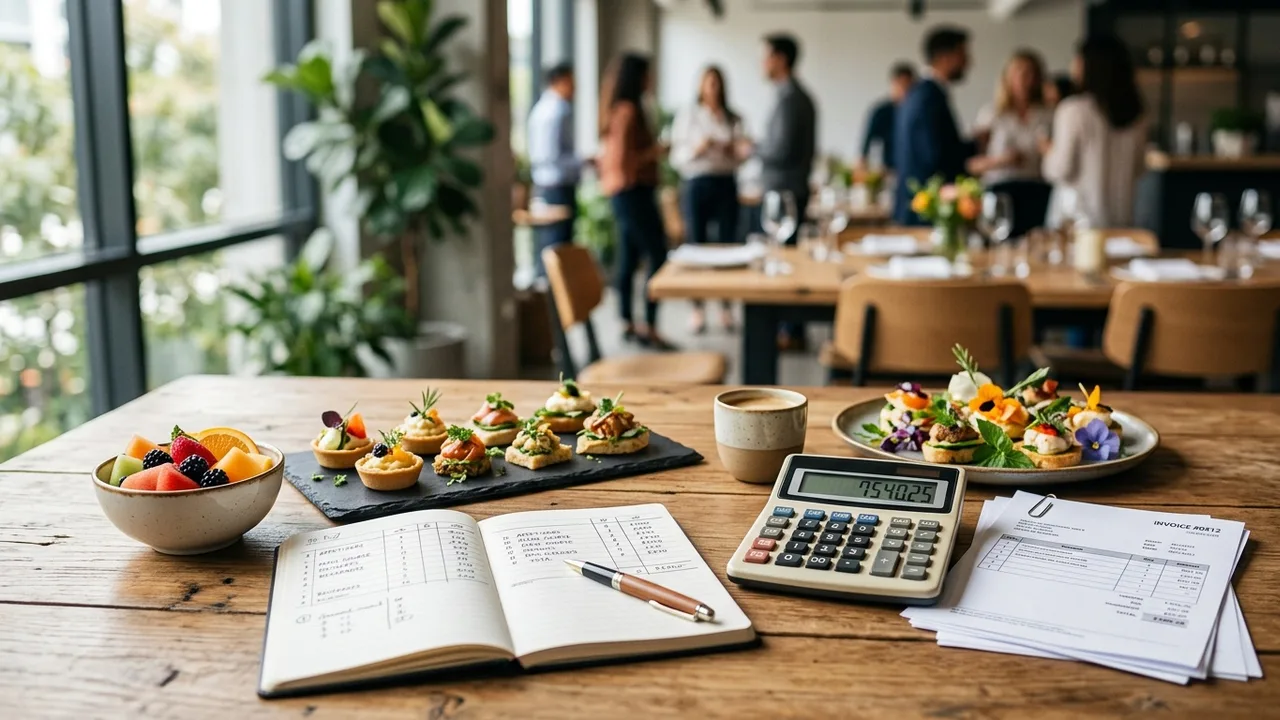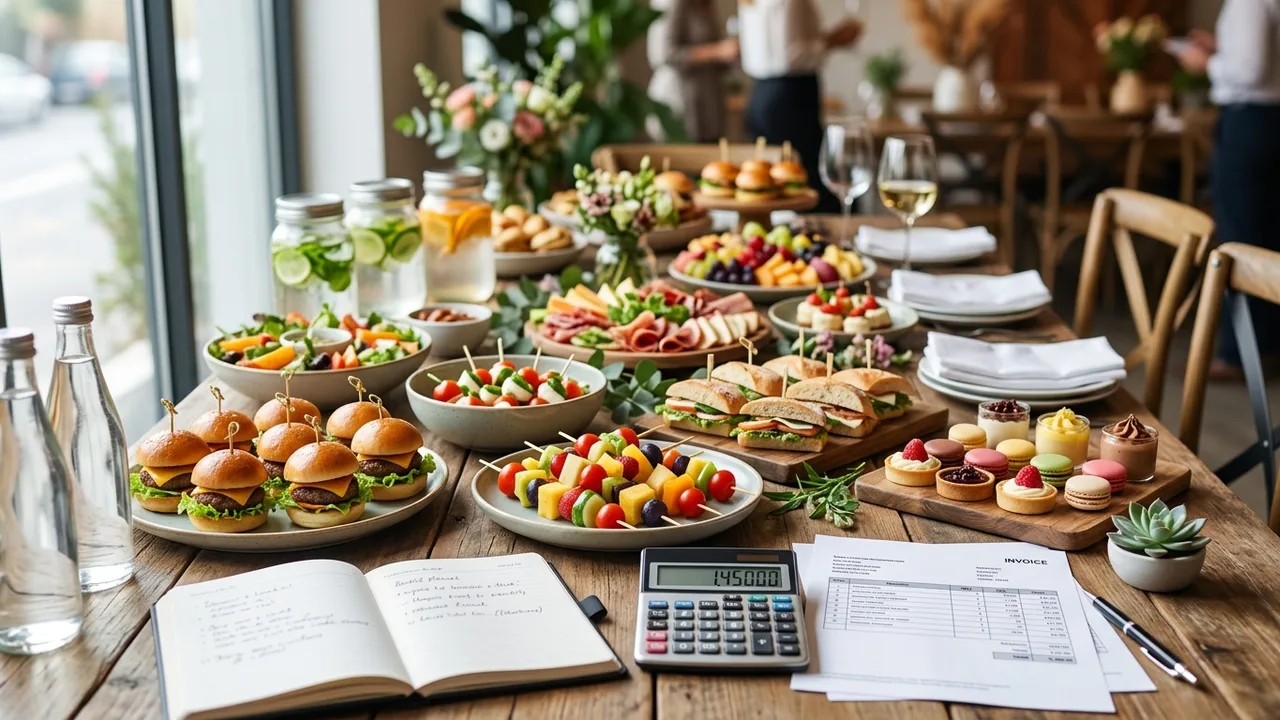
Catering Run-of-Show Explained
A catering run-of-show is your minute-by-minute event playbook. Learn what it includes, how it differs from a BEO, and how to build one that prevents chaos.
Two trucks, one crew, a 5pm dinner for 120, and a venue you have never set foot in. The food is prepped and gorgeous. But nobody is quite sure who loads the chafers, what time the first tray hits the table, or where the gluten-free meals are staged. At 4:45, that uncertainty turns into a scramble, and the client sees every second of it.
A catering run-of-show is what keeps that from happening. It is the minute-by-minute playbook that turns a great menu into a smooth event. In this guide we will get the catering run-of-show explained clearly: what it is, how it differs from a BEO, what goes in it, and how to build one that everyone can follow.
What is a catering run-of-show?
A catering run-of-show is a minute-by-minute timeline of an event, from setup and load-in through service to breakdown, with staffing, role assignments, menu timing, and key contacts attached. It tells every person on the team exactly what happens, when, and who is responsible.
Think of it as the script for event day. The menu says what you are serving. The run-of-show says how the day actually unfolds, beat by beat, so nobody has to guess.
Run-of-show vs. banquet event order (BEO): what's the difference?
They are closely related and people use the terms loosely, but there is a useful distinction. A banquet event order, or BEO, is the full operational document that translates the signed contract into actionable instructions: menu, counts, pricing, setup specs, and timeline. It is the master record (Tripleseat and The Restaurant HQ, secondary data).
The run-of-show is the timeline portion, the part that sequences the day minute by minute. The BEO tells you what was agreed. The run-of-show tells everyone when to move. You usually build the run-of-show from the BEO. Getting the BEO right also feeds straight into catering order accuracy improvement.
What a catering run-of-show includes
A good run-of-show covers five areas. Miss any one and you create a gap someone will fall into on event day.
Setup and load-in times
When the trucks or vans arrive, when load-in starts, where to park, how long setup takes, and when the space needs to be guest-ready. Venues run tight on access windows, so these times anchor the entire day. Build in a buffer, because something always takes longer than planned.
Service timeline (minute by minute)
The heart of the document. Cocktail hour at 5:00, first course plated at 6:15, entree service at 7:00, dessert at 8:30, and so on. Each milestone gets a time and a trigger. This is what keeps the kitchen and the front of house moving in sync instead of guessing.
Here is what a slice of a real service timeline looks like:
- 2:30 PM, trucks arrive, parking confirmed with venue
- 2:45 PM, load-in and kitchen setup begins
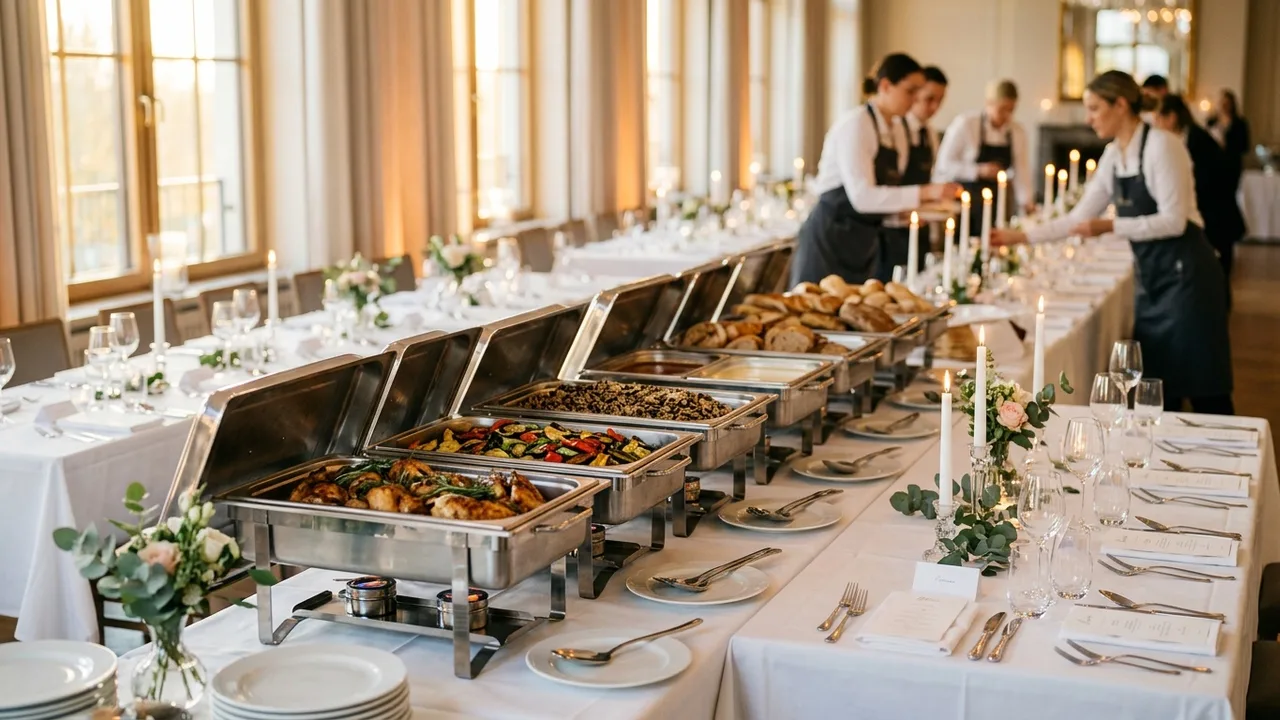
- 4:15 PM, buffet line staged, dietary trays labeled and separated
- 4:45 PM, staff briefing and final headcount check
- 5:00 PM, cocktail hour, passed appetizers begin
- 6:15 PM, dinner service opens
- 8:30 PM, dessert and coffee
- 9:30 PM, breakdown begins
- 10:15 PM, load-out complete, venue walk-through
Notice that every line has a clock time and a clear action. That specificity is the whole point. "Set up around mid-afternoon" is a wish. "4:15 PM, buffet staged, dietary trays labeled" is a plan.
Staffing and role assignments
Who is doing what, by name. Lead, kitchen, servers, bar, breakdown. A common ratio for formal dinners is roughly one server per 10 to 12 guests (Renaissance Catering and Qwick, secondary data), so a 120-guest plated dinner needs that staffing baked into the plan. When roles are explicit, nobody stands around while a tray sits cooling.
Menu, dietary notes, and serving times
Every dish, when it is served, and crucially, the dietary exceptions: the 12 vegan, the 3 gluten-free, the nut allergy at table 4. Staging and labeling these in the run-of-show is how they actually make it to the right guest instead of getting lost in the rush.
Key contacts and breakdown
The client's day-of contact, the venue coordinator, your lead's cell, and the breakdown plan: when service ends, how long teardown takes, and what leaves with whom. Events end as well as they are torn down, and a clear breakdown plan protects your deposit and your relationship with the venue.
How to build a catering run-of-show step by step
Start from the BEO and the client's agreed timeline. Work backward from the meal service to set load-in and setup times. List every milestone with a clock time. Assign a name to each task. Add the dietary staging notes. Then share it with the whole team and the client before event day, so everyone is reading the same script.
A run-of-show is the cheapest insurance you can buy against the failures that wreck events: double-bookings, menu mishaps, and setup slip-ups (Event Temple, secondary data). Fifteen minutes of planning prevents an hour of on-site panic.
How to keep the run-of-show updated when details change
Here is where most run-of-shows quietly break. The plan is perfect on Monday, and then the client texts on Wednesday: "We're now at 140, and can dinner start 30 minutes later?" If that message lives in your phone and never makes it into the run-of-show, your beautiful plan is now wrong, and the team is working off old information.
Communication breakdowns, like the catering team not knowing the guest count went up, are a leading cause of event-day problems (Elev8, secondary data). The fix is to capture every change in one place the moment it arrives. An AI chief of staff like Edesia catches those texts, calls, and DMs as they come in, so a change to count, timing, or menu actually flows to the right place instead of getting buried. For the broader playbook, see handling catering last-minute changes, and remember that steady updates are part of why consistent client communication matters.
Frequently asked questions
What is a run-of-show in catering?
A minute-by-minute timeline of an event, from setup and load-in through service to breakdown, with staffing, role assignments, menu timing, and key contacts. It is the script the whole team follows on event day.
Is a run-of-show the same as a BEO?
Closely related but not identical. A banquet event order, or BEO, is the full operational document covering menu, counts, and specs. The run-of-show is the timeline portion that sequences the day, usually built from the BEO.
Who creates the catering run-of-show?
Usually the event or catering manager, who then shares it with the kitchen, the service staff, and often the client. Sharing it ahead of time keeps everyone working from the same plan.
Conclusion
A run-of-show is not bureaucracy, it is the difference between an event that feels effortless and one that feels frantic. It turns your menu, your staff, and your timeline into a single script the whole team can follow.
Build it from the BEO, sequence the day minute by minute, assign every task a name, and keep it updated as details change. Do that, and event day stops being a test of your nerves and becomes a demonstration of how good you are.
Keep more of what your kitchen earns
Edesia helps you track inventory, reduce waste, compare suppliers, and plan purchases. Catering orders and customer replies are included, too.