Comfort Food Menu Engineering: How Commercial Kitchens Build High Margin Autumn Braises, Stews, and Scratch Classics
Learn how commercial kitchens engineer high margin autumn comfort food menus with slow braises, batch portion controls, cross utilization, and smart purchasing.
Photo by Edward Howell on Unsplash. Modified with AI as an illustrative image.
When temperatures drop across the country, consumer demand shifts rapidly toward hearty braises, rich gratins, pot pies, and slow cooked stews. Official Pinterest search trends show comfort food sustained at peak search intensity, with 100 percent month over month search volume growth as fall settles in. Diners want warmth, deep savory flavors, and familiar indulgence. For restaurant operators and caterers, comfort food offers an incredible commercial opportunity, but it also carries hidden financial traps. If your kitchen approaches comfort food casually, runaway protein trim, expensive dairy additions, long simmer evaporation, and uncontrolled ladle sizes will quietly destroy your plate margins. True comfort food profitability is not an accident of nostalgia. It requires disciplined menu engineering, yield tracking, cross utilization, and strict station portioning. When managed systematically, comfort classics can deliver some of the strongest contribution margins and fastest ticket times on your autumn line.
The Anatomy of Comfort Food Plate Margins
Many operators assume comfort food is inherently inexpensive because traditional home recipes rely on humble ingredients like potatoes, onions, and stew meat. In a commercial environment, however, costs behave differently. Tender beef chuck, short ribs, and pork shoulder have seen significant wholesale price fluctuations. Furthermore, long braising and simmering processes reduce liquid volume by fifteen to twenty five percent, concentrating cost per fluid ounce. When cooks finish sauces with heavy cream, imported butter, or aged cheeses without recipe adherence, food cost percentages climb past thirty five percent before service even begins.
To engineer a profitable comfort menu, begin with raw ingredient yield analysis. When breaking down a whole beef clod or pork shoulder, record the exact trim weight versus usable braising cubes. Calculate your true cooked yield after oven caramelization and gentle simmering. Pair heavier, center of plate proteins with high margin starch and vegetable anchors that absorb braising jus. An eight ounce braised shank paired with creamy polenta, roasted root vegetables, and a glossy scratch reduction delivers superior perceived guest value while maintaining a prime food cost under twenty four percent. For teams working on foundational kitchen costing, our guide on Small Caterer Workflow Efficiency Tips highlights how standardized batch calculations prevent mid service cost creep.
Batch Prep Mise en Place and Station Holding Protocols
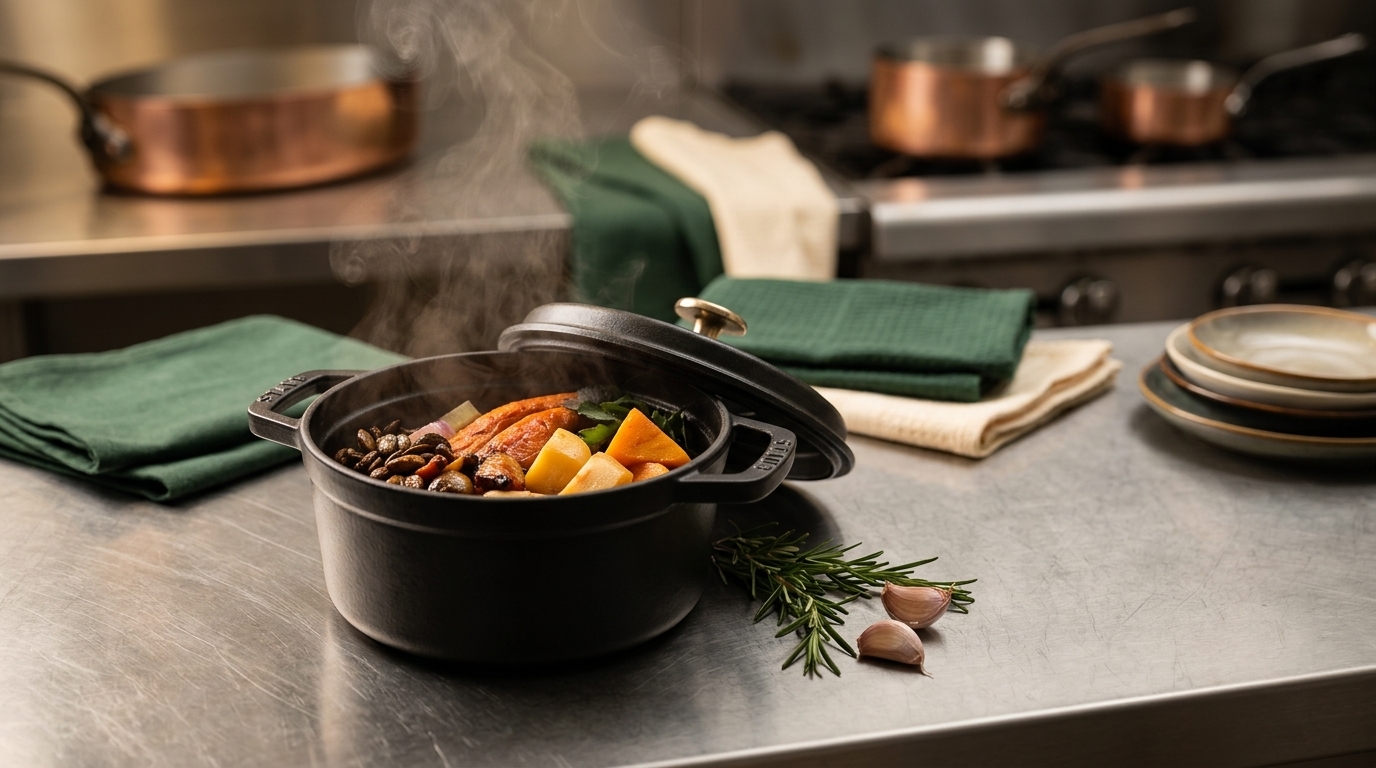
One of the greatest operational advantages of comfort food is that complex cooking happens during quiet morning prep blocks rather than during peak service rush. Slow cooked stews, braised shanks, and baked pasta trays can be prepared in advance, freeing sauté and grill stations to focus on quick pickup items. However, morning prep efficiency only translates into profit if your kitchen enforces strict batch storage and hot holding routines.
Every braise must follow established safety cooling standards before refrigeration. Commercial kitchens must cool cooked batches from 135 degrees Fahrenheit down to 70 degrees within two hours, and from 70 degrees down to 41 degrees within an additional four hours. Use shallow hotel pans no more than two inches deep, stainless steel ice wands, or blast chillers to move batches through the critical zone safely. For hot holding during dinner service, keep braising pans covered in steam tables held above 140 degrees Fahrenheit. Monitor sauce reduction throughout service, since continuous gentle heat evaporates liquid and increases sodium intensity. Keep measured carafes of low sodium stock on the line so line cooks can refresh sauce consistency without altering recipe flavor profiles. Review our operational breakdown on Fall Soup Menu Engineering for detailed cooling logs and hot holding equipment configurations.
Cross Utilization of Scratch Stocks and Autumn Produce
Single use ingredients are the enemy of kitchen profitability. An engineered comfort menu connects your soup pots, braising pans, side dishes, and catering platters into an interconnected production loop. When your prep cooks roast mirepoix and brown bones for an autumn beef bourguignon, the strained aromatics and trimmings feed your rich brown stock, which in turn becomes the base for French onion soup, savory pan sauces, and catering jus.
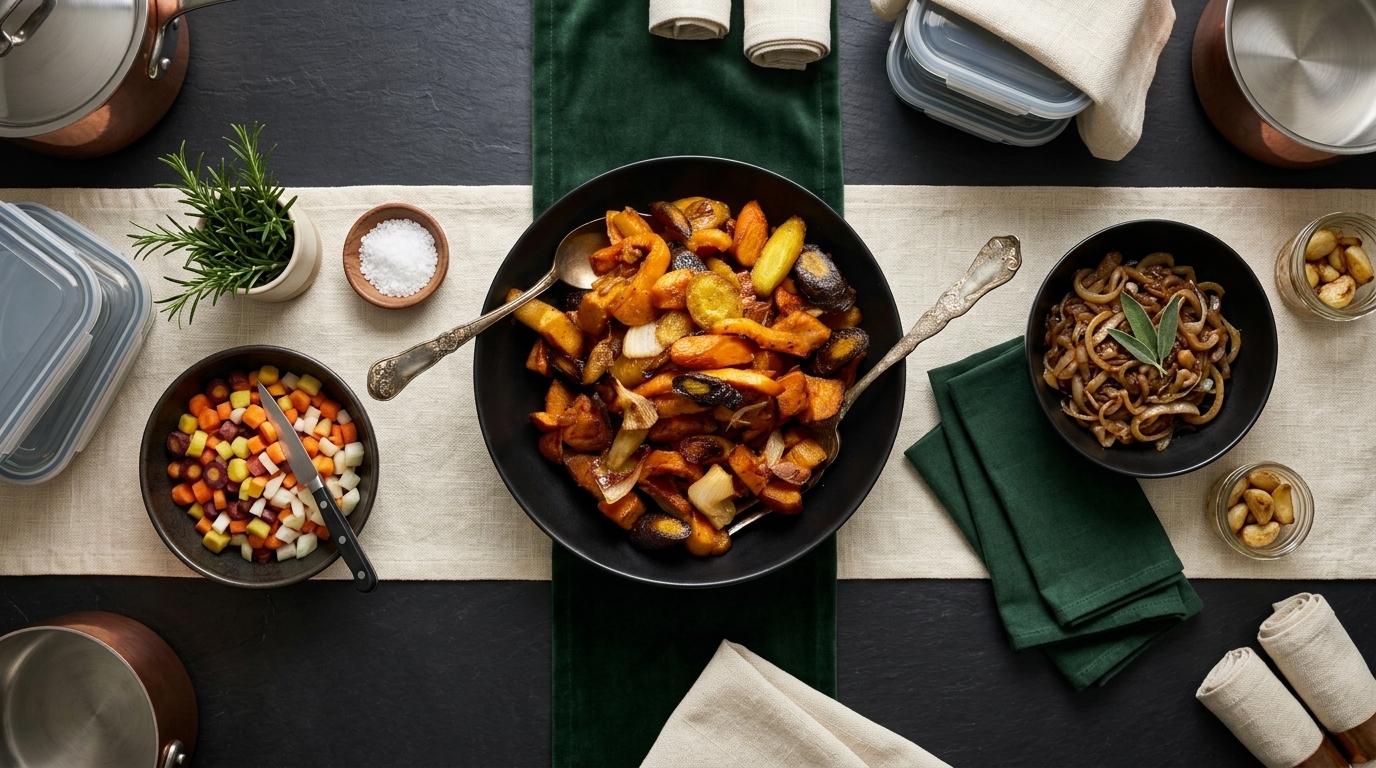
Apply the same cross utilization logic to autumn produce. Butternut squash peels and trimmings enhance vegetable broths, while the firm necks are cubed for roasted grain bowls and the bulbous ends are roasted and pureed into silky soup bases. Root vegetable medleys featuring parsnips, carrots, and sweet potatoes can serve as braise garnish, side dish offerings, or puree components across multiple menu sections. By restricting your cooler to versatile core produce items purchased in bulk volume, you secure better tier pricing from food service distributors and minimize dead stock spoilage. When daily prep volume fluctuates, maintaining a structured tracking system prevents over prep. Explore our system for Daily Restaurant Waste Log Routines to see how line teams track scrap weights and identify over ordering patterns early.
Standardized Ladles and Portion Control Systems
Comfort food menus are particularly vulnerable to subtle portion inflation. Because stews, mashed potatoes, and pasta casseroles are soft and amorphous, cooks naturally tend to overfill serving bowls during heavy rush periods. An extra ounce of braised beef per order across eighty dinner covers burns five pounds of cooked protein in a single evening. Over a month, that uncontrolled generosity silently siphons thousands of dollars directly out of your operating margin.
Eliminate visual guesswork by standardizing service tools at every station:
- Color Coded Portion Scoops: Assign specific mechanical dishers to every starch component. A blue scoop number 16 delivers a consistent quarter cup of mashed potatoes or polenta, ensuring identical plate coverage every time.
- Solid and Perforated Portion Ladles: Train line cooks to use ounce stamped ladles. Use perforated ladles to portion protein chunks accurately, then finish the plate with a dedicated two ounce solid ladle of reduction sauce.
- Pre weighed Portion Boats: For catering drop offs and high volume events, pre portion braised meats into heat sealed bags or individual aluminum tins during morning prep. This ensures exact event counts without on site portion discrepancies.
- Scale Audits on the Pass: Place an accurate digital scale on the expo line. Conduct random check weights on five plates per service to confirm that kitchen line execution matches your engineered recipe costing sheet.
How Edesia Automates Purchasing and Protects Comfort Food Margins
Maintaining profitable comfort food menus requires continuous synchronization between your menu recipes, inventory levels, and vendor purchasing. When commodity protein prices shift or holiday catering demand surges, manual spreadsheets quickly fail to keep up with daily kitchen realities.
Edesia transforms kitchen operations by connecting your recipes directly to live supplier ordering and inventory tracking. The platform automatically converts your weekly catering menus and dining room prep pars into optimized vendor shopping lists. It checks your current walk in inventory before generating purchase orders, ensuring you never over purchase perishable dairy or tie up working capital in excess meat cases. When ingredient costs change from your suppliers, Edesia updates your recipe cost calculations instantly, alerting you before menu margins slip. By streamlining supplier communication, eliminating order entry errors, and managing prep requirements across phone, email, and text, Edesia empowers kitchen operators to spend less time on paperwork and more time delivering unforgettable hospitality.
Frequently asked questions
What is the optimal food cost percentage for comfort food menu items?
Commercial kitchens should target a food cost percentage between twenty two and twenty six percent for braised comfort dishes. Because stews and braises often require longer prep labor and cooking times, maintaining lower ingredient cost percentages offsets production labor while generating strong dollar contribution margins.
How long can braised meats and stews be held in commercial refrigeration?
Properly cooled braised meats and stews stored in airtight containers below 41 degrees Fahrenheit should be used within three to four days according to standard food code guidelines. For catering operations preparing ahead for peak weekend volume, vacuum sealing and rapid blast freezing extends holding life up to sixty days without compromising meat texture or sauce emulsion.
How do commercial kitchens prevent sauces from breaking during hot holding?
Sauces break during service primarily from excessive direct heat or prolonged standing. Emulsify reductions with cold butter cubes off the heat right before service, or stabilize large batch sauces with modified food starches or scratch roux rather than raw cream alone. Maintain hot holding wells at 145 to 155 degrees Fahrenheit and gently stir holding pans every thirty minutes.
What are the best low cost cut alternatives for commercial braises?
Beef chuck roll, beef cheek, bone in pork shoulder, and turkey thighs offer exceptional gelatin content and tenderness when slow braised, often priced thirty to fifty percent below premium cuts like short ribs or beef tenderloin.
Conclusion
Autumn comfort food offers independent restaurants and catering operations a powerful avenue for seasonal revenue growth. By combining consumer craving for warmth and indulgence with rigorous culinary operations, you can turn traditional classics into predictable profit drivers. Focus on accurate raw yield calculation, safe batch chilling procedures, intelligent ingredient cross utilization, and strict physical portion tools on the line. When your kitchen systems work together, your team delivers rich, comforting dishes that delight guests while protecting your bottom line.
Keep more of what your kitchen earns
Edesia helps you track inventory, reduce waste, compare suppliers, and plan purchases. Catering orders and customer replies are included, too.