Why Caterers Miss Client Bookings (and How to Fix It)
Caterers miss client bookings mostly from slow replies and dropped inquiries. See the real reasons bookings slip away and how to capture every lead.
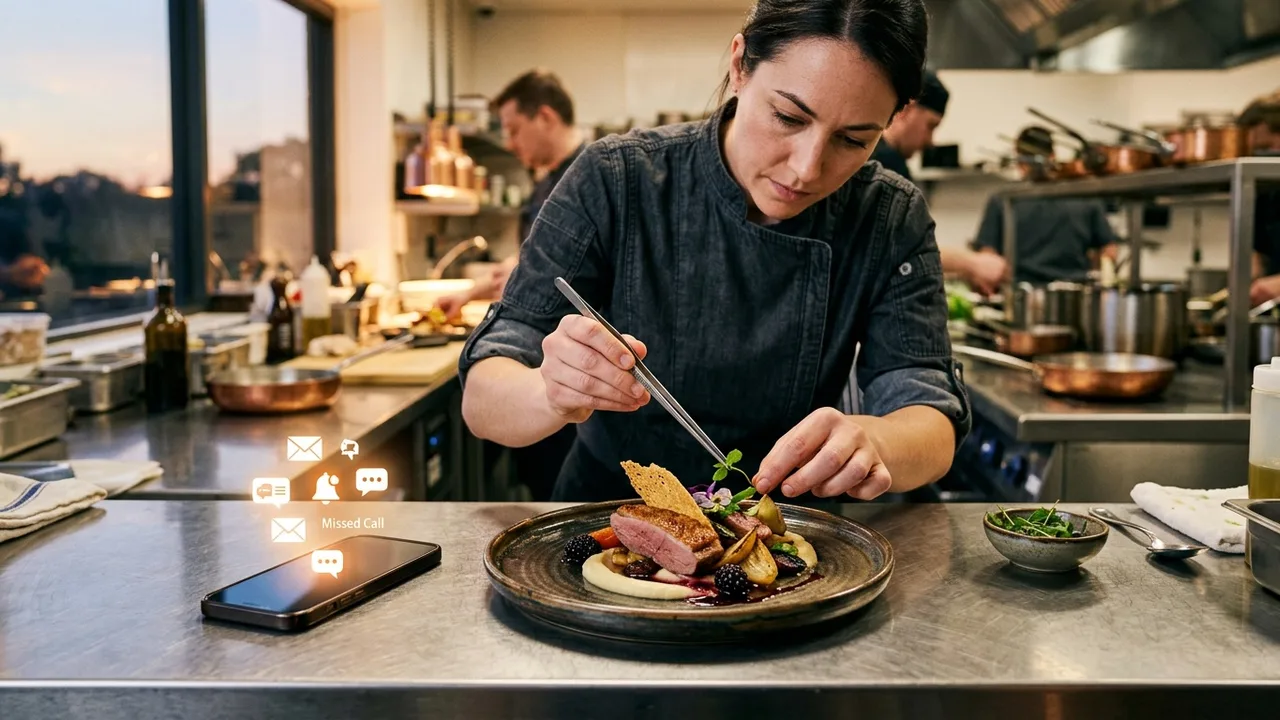
It is 7:15 on a Friday. You are plating 80 covers, the kitchen is loud, and your phone buzzes in your apron. A $4,000 wedding lead just texted: "Hi! Are you free June 14?" You will see it at 10pm, when you finally sit down. By then she has texted two other caterers, and one of them already sent a quote.
That is the whole story of why caterers miss client bookings, compressed into one Friday night. It is rarely about price or food. It is about timing and follow-up. The good news is that the same thing that makes this problem painful also makes it fixable. Let us walk through why bookings slip away, what each leak costs, and how to plug it.
The short answer: speed and follow-up
Caterers miss client bookings mostly because they reply too slowly and follow up too little. Catering leads are time-sensitive and multi-channel, so an inquiry that waits hours, or lands in a channel you do not watch, quietly goes to whoever answered first. Speed wins the booking, and consistent follow-up closes it.
Everything below is a variation on those two themes. Fix the speed and the follow-up, and most of the leaks close at once.
The top reasons caterers miss client bookings
There are five usual suspects. You will probably recognize all of them.
You reply too slowly to win the lead
This is the big one. Per the 2007 MIT and InsideSales Lead Response Management Study led by Dr. James Oldroyd, leads contacted within 5 minutes are 21 times more likely to qualify and 100 times more likely to connect than those contacted at 30 minutes. Velocify data found a 391 percent conversion lift from responding within the first minute (secondary data).
Now the kicker. A 2011 Harvard Business Review audit of 2,241 firms found the average company took 42 hours to respond, and 78 percent of customers buy from the first business to reply (HBR, 2011). Slow is the default. Being fast is a genuine edge.
Inquiries come in across too many channels
A wedding lead texts. A corporate planner emails. A repeat client slides into your Instagram DMs. Someone older calls. If you only watch one or two of those, the rest pile up unseen.
The same HBR audit found 51 percent of leads are never contacted at all (InsideSales and RevenueHero, secondary data). Often it is not neglect, it is that the message landed somewhere nobody was looking. Scattered channels are how good leads die quietly.
Calls go to voicemail during service
You cannot answer the phone with both hands on a saute pan, and you should not try. But missed calls are missed bookings. A 411 Locals study of 85 businesses found only 37.8 percent of calls were answered, meaning roughly 62 percent went unanswered, and 85 percent of voicemail callers never call back (PATLive, vendor-published and secondary data).
So the caller does not leave a message and try again later. They just dial the next caterer.
Follow-ups fall through the cracks
Plenty of bookings are lost after the first reply, not before it. The client asks for a tweak to the quote, you mean to circle back, and the week swallows it. An estimated 71 percent of online leads are wasted due to poor follow-up (Forbes via Verse.ai, secondary data). The fix is not heroic effort, it is a system that nudges automatically so nothing depends on you remembering.
Double-bookings and calendar confusion
When availability lives in your head, in a paper calendar, and in three text threads, two events eventually collide. Now you are either turning away a confirmed client or scrambling staff you do not have. A single source of truth for your dates prevents the most embarrassing kind of lost booking.
How much does a missed booking actually cost?
Run your own number. Take your average event value, multiply by the inquiries you lose each month to slow replies and dropped follow-ups, and annualize it. For most caterers the figure is uncomfortable, often several events a month, each worth hundreds or thousands of dollars.
Here is a quick worked example. Say your average event is worth $1,500 and you get 40 inquiries a month. If even 15 percent slip away because you answered too late, that is 6 lost events, or $9,000 a month. Over a year, that is $108,000 in revenue that never had a chance, and you never saw it leave because it never showed up on a report.
Then remember the compounding cost. Many of those lost clients would have rebooked and referred friends. A missed booking is rarely just one event. It is the relationship you never got to start. That is also why consistent client communication matters so much for the bottom line.
How to stop missing client bookings
Here is the picture. You are at the stove, the phone rings, a text and a DM land, and there is no version of you that can cook and answer all three in five minutes. That is not a discipline problem. It is a coverage problem, and it needs a system, not more willpower.
This is exactly the job an AI chief of staff does. Edesia answers every channel the instant a lead arrives, calls, SMS, Instagram DMs, and email, sends your price, and holds the date, so you are first to respond even while you are deep in service. Leads never sit unanswered until midnight. To go deeper, compare your options in catering client communication tools, see how phone-first tools stack up in our callcompany.ai alternatives guide, and tighten the details with catering order accuracy improvement.
Frequently asked questions
Why do caterers lose bookings?
Mostly slow replies and dropped inquiries across scattered channels. The first caterer to respond usually wins the event, so a lead that waits hours, or lands somewhere you do not watch, often goes elsewhere.
How fast should a caterer respond to an inquiry?
Within 5 minutes when possible. Research shows the odds of qualifying a lead drop sharply after that, and most customers buy from whoever responds first.
What is the best way to capture every catering lead?
Bring SMS, calls, Instagram DMs, and email into one inbox with automated instant replies, and keep a single shared calendar so nothing gets missed or double-booked.
Conclusion
Most lost bookings are not lost to a better caterer. They are lost to a faster one. The food, the price, and the reputation all matter, but they only matter if you are in the conversation, and you can only be in the conversation if you answer in time.
Cover every channel, answer fast, follow up automatically, and keep one calendar. Do that, and the leads that used to slip away on a busy Friday turn into the events that fill your spring.
Keep more of what your kitchen earns
Edesia helps you track inventory, reduce waste, compare suppliers, and plan purchases. Catering orders and customer replies are included, too.