Work Meals for Corporate Catering: Menu Engineering, Assembly Batching, and Weekday Delivery Operations
Learn how commercial kitchens engineer profitable corporate work meals, build high speed assembly batching lines, and manage dependable weekday office drop offs.
Photo by Ella Olsson on Unsplash.
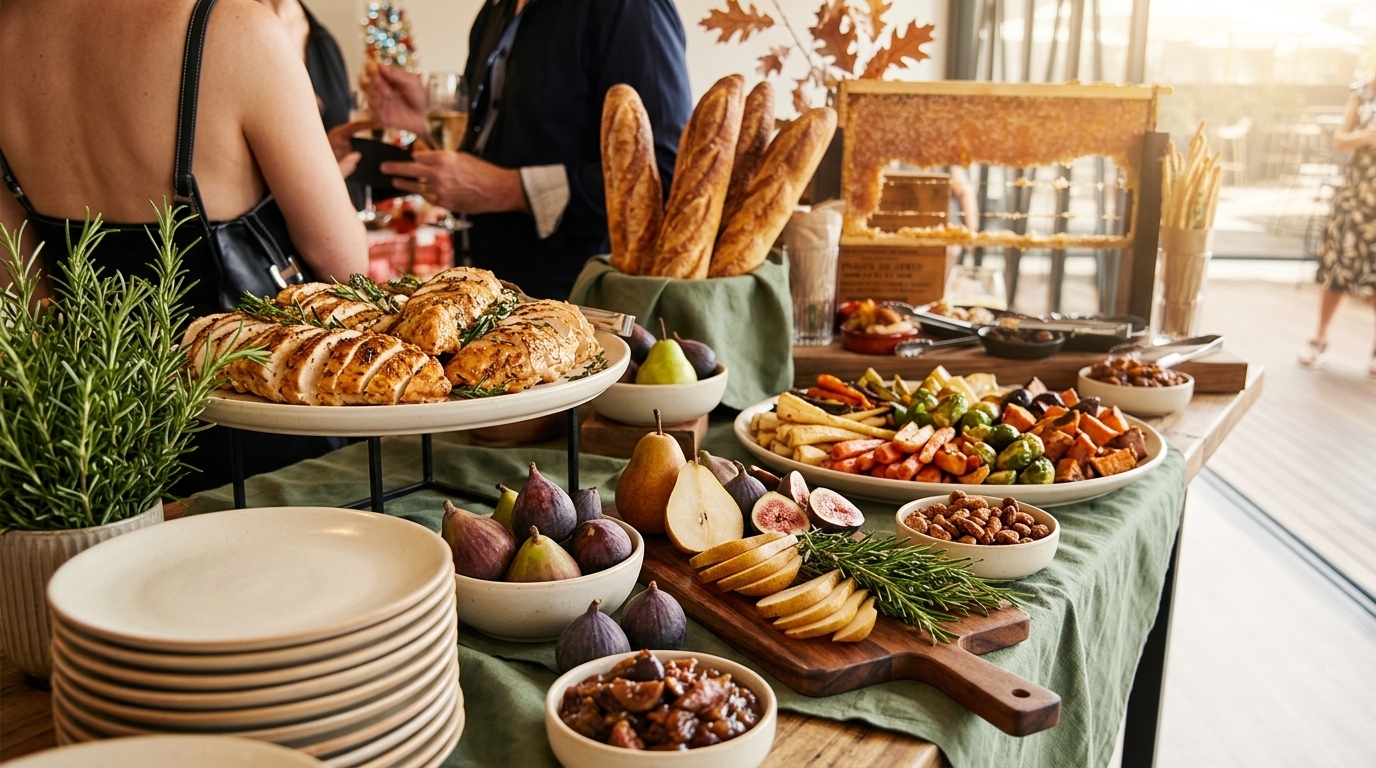
Weekday corporate lunch demand represents one of the most dependable revenue channels for commercial kitchens and independent restaurants. While evening dining rooms experience variable covers and weekend event bookings fluctuate with seasonal calendars, corporate offices require consistent midday dining from Monday through Thursday. Recent Pinterest search trends reveal that interest in work meals climbed 300 percent month over month, reflecting strong workplace interest in wholesome, portable dining options. For commercial operators, capturing this demand requires moving away from customized one off orders toward engineered, standardized work meal packages. By establishing modular menus, streamlined batch assembly stations, and dependable delivery protocols, kitchens can turn corporate work meals into a predictable revenue stream with food costs maintained firmly below twenty five percent.
Engineering the Modular Desk Friendly Menu for Maximum Margin
Designing an effective corporate work meal menu requires balancing guest satisfaction with kitchen throughput. Office workers prioritize clean eating that sustains energy throughout the afternoon without causing post lunch sluggishness or creating strong food aromas in shared conference rooms. Cold grain bowls, hearty salad bases, and room temperature proteins outperform hot plated meals because they maintain their crisp textures and visual appeal during transit without sweating in containers.
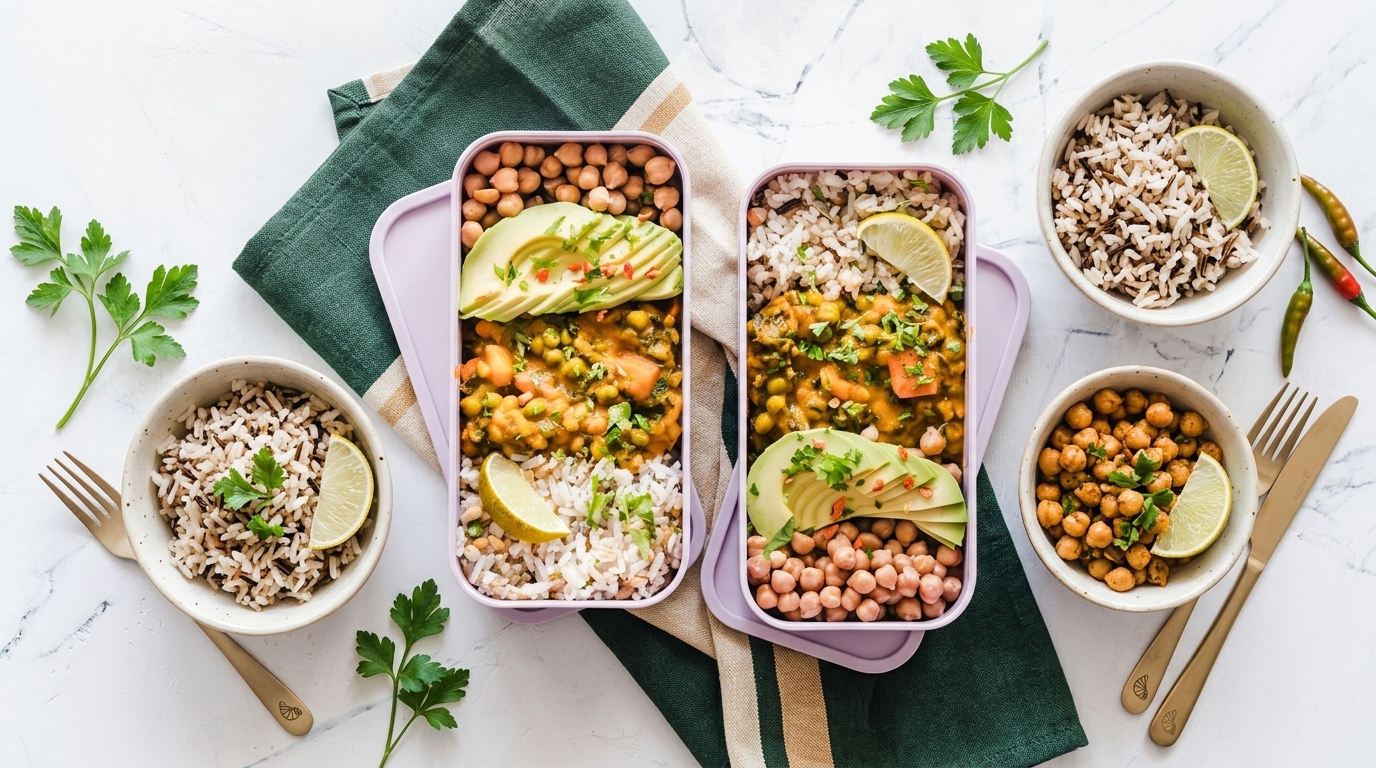
To keep ingredient costs disciplined, build your menu around shared foundation components. A single roast of golden turmeric chickpeas, seasoned wild rice blend, or shaved autumn root vegetables can serve as the anchor for vegetarian, vegan, and protein added bowls. By cross utilizing these bases across three distinct bowl designs, your kitchen minimizes unique stock items while purchasing bulk ingredients at optimal wholesale tiers. When pairing these foundations with pre portioned proteins such as lemon oregano chicken breast or wild salmon fillets, target an overall food cost between twenty two and twenty five percent. Learn how shared autumn ingredients streamline commercial prep in our fall meal prep guide.
High Speed Assembly Line Layouts and Packaging Standards
Packaging fifty to one hundred individual boxed lunches within a ninety minute morning window demands rigorous station organization. Commercial kitchens that struggle with corporate lunch rush often make the mistake of having individual cooks assemble complete boxes from start to finish. Instead, convert your stainless steel prep tables into an assembly line where each cook handles two dedicated components.
Position cold well inserts containing cold grains and pre chilled roasted vegetables at station one. Station two portions proteins using calibrated color coded disher scoops to prevent portion drift. Station three adds garnishes, dressings packed in separate leak proof two ounce cups, and eco friendly utensils. The final station seals the container, applies a printed guest label noting dietary markers, and transfers the meal into an insulated transport carrier. Standardizing container dimensions simplifies packing and eliminates shifting during transit. For further operational workflows that save kitchen labor hours, explore our workflow efficiency tips.
Production Timelines and Food Safety Temperature Controls
Punctuality and food safety form the foundation of corporate catering client retention. Unlike weekend social gatherings where timing can flex by fifteen minutes, corporate meetings operate on rigid executive schedules. A lunch promised for 11:30 AM must arrive and stand staged by 11:15 AM to allow office managers to verify counts before attendees break for lunch.
Establish a backward scheduled prep timeline. All morning hot prep, roasting, and scratch sauces must conclude by 8:30 AM, followed by rapid two stage chilling in shallow sheet pans to drop core temperatures below 41 degrees Fahrenheit within two hours. Assembly begins promptly at 9:00 AM and finishes by 10:15 AM. Between 10:15 AM and 10:45 AM, pack orders into heavy duty commercial insulated coolers with dedicated cold packs. Digital food probe logs should record final temperatures upon departure. Transporting meals at 38 to 40 degrees Fahrenheit preserves delicate salad greens, maintains protein food safety compliance under FDA Food Code standards, and ensures that meals arrive crisp and refreshing.
Securing Recurring Office Accounts and Automating Ordering Logistics
The greatest commercial advantage of corporate work meals is client lifetime value. An office ordering lunch for forty staff members two days per week generates consistent weekly revenue without requiring repeated marketing acquisition costs. To secure recurring standing contracts, offer corporate administrators streamlined ordering portals, flexible 48 hour order cutoffs, and centralized weekly billing.
Managing complex recurring dietary preferences and varying headcounts across multiple corporate clients can quickly overwhelm manual kitchen clipboards. Edesia helps commercial kitchens turn recurring catering orders into automated ingredient shopping lists, track live inventory against upcoming event dates, and identify best wholesale supplier options. Visit edesia.catering to learn how modern kitchen management software eliminates paperwork, reduces food waste, and keeps your corporate catering margins secure.
Frequently asked questions
What food cost percentage should commercial kitchens target for corporate work meals?
Commercial kitchens should aim for an overall food cost between twenty two and twenty five percent. Using shared roasted bases, seasonal vegetables, and precise disher scoops protects target margins across all dietary variations.
How do commercial caterers keep boxed lunches fresh during transit?
Package all dressings and vinaigrettes in separate sealed cups, chill container components in advance, and transport boxed meals inside commercial grade insulated carriers kept below 41 degrees Fahrenheit.
What advance notice cutoff works best for corporate catering orders?
A firm 48 hour advance ordering cutoff provides sufficient lead time to aggregate wholesale purchasing, schedule kitchen morning prep labor, and avoid costly last minute delivery rushes.
Conclusion
Building a profitable corporate work meal program transforms weekday downtime into a predictable profit center. By engineering versatile modular menus, enforcing assembly line packaging speed, adhering to disciplined temperature logs, and establishing standing corporate contracts, commercial kitchens can reliably capture high margin B2B revenue. Visit edesia.catering to streamline your kitchen purchasing, eliminate manual order admin, and scale your catering operations with confidence.
Keep more of what your kitchen earns
Edesia helps you track inventory, reduce waste, compare suppliers, and plan purchases. Catering orders and customer replies are included, too.