Fall Meal Prep: How Commercial Kitchens Build Profitable Batch Packaging and Weekly Subscription Systems
Learn how commercial kitchens engineer high margin fall meal prep programs with standardized batch production, airtight packaging, safe cooling, and automated inventory.
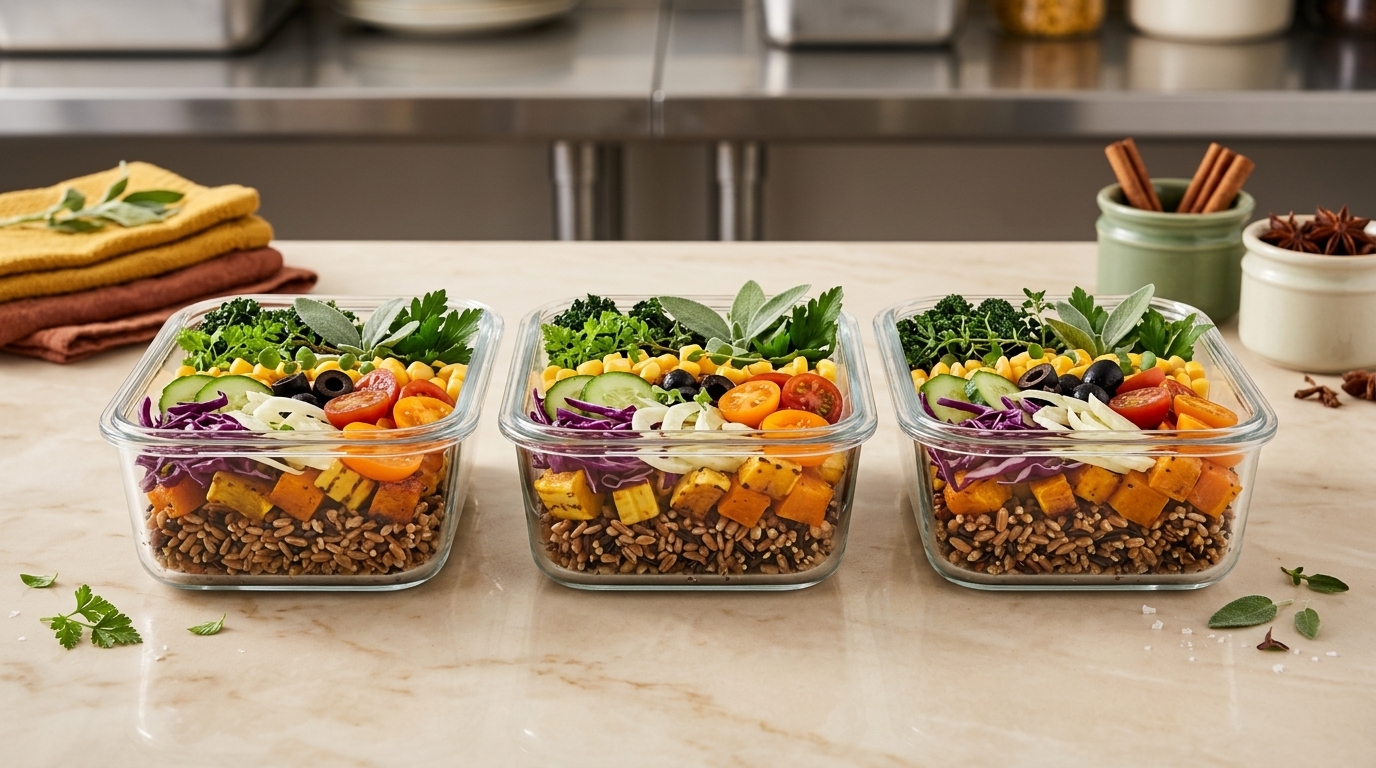
Photo by Ella Olsson on Unsplash. Modified with AI as an illustrative image.
As temperatures drop in October, consumer demand for hearty, wholesome meals accelerates rapidly. Search data on Pinterest reveals that interest in fall meal prep surged four hundred percent over the past month. For independent restaurants, caterers, and commissary operators, this seasonal behavior represents an ideal opportunity to capture predictable weekday revenue. Rather than relying solely on dining room foot traffic or volatile weekend event bookings, kitchens can package their existing culinary strengths into weekly ready to heat meal programs.
Building a commercial meal prep operation requires far more than cooking large batches of comfort food and packing them into plastic containers. Without disciplined recipe engineering, strict cooling protocols, and tight inventory procurement, prepared meal services quickly erode kitchen labor productivity and inflate food waste. When planned methodically, however, a structured fall meal prep line can generate profit margins exceeding seventy percent while keeping prep cooks productive during slow morning shifts. Here is how professional operators design, package, and scale an autumn prepared meal program that protects kitchen margins from day one.
Menu Engineering for Reheating Stability and High Contribution Margins
The foundational challenge of commercial meal prep is ensuring food quality survives storage, transport, and customer reheating. Items that taste exceptional fresh off the saute line often degrade into soggy or separated disappointments after forty eight hours in refrigeration. Autumn produce, hearty root vegetables, braised proteins, and ancient grains are naturally resilient, making the fall season ideal for launching a packaged meal service.
To optimize labor and product yield, design meal prep menus around modular foundation batches. A single preparation of roasted butternut squash, caramelized shallots, and wild rice can serve as the warm base for a roasted chicken entree, a slow cooked pork loin bowl, and a seasoned tofu power plate. This cross utilization strategy protects your prep schedule and prevents inventory spoilage. For further insights on streamlining high volume foundation recipes, review our guide to fall party catering menu prep.
When pricing meal containers, calculate precise portion weights rather than estimating volume. Establish target food cost ceilings between twenty two and twenty six percent per unit. Braised meats like cider glazed pork shoulder, beef chuck roast, and braised chicken thighs hold moisture during microwave or oven reheating far better than quick seared steaks or lean poultry breasts. Pair these proteins with dense starches and cruciferous vegetables like roasted Brussels sprouts, kale, and parsnips that retain their structural integrity through cold storage.
Commercial Packaging and Cold Chain Preservation Standards
Container selection directly determines customer satisfaction and shelf stability. Standard restaurant takeout boxes allow oxygen penetration and moisture loss, accelerating oxidation and flavor degradation within twenty four to forty eight hours. Commercial meal prep programs require certified food grade, microwave safe containers featuring airtight snap lock lids or heat sealed film barriers.
Polypropylene containers with airtight perimeter seals maintain product freshness for four to five days under proper refrigeration. If your volume expands beyond one hundred meals per week, consider investing in a manual tray sealer using modified barrier film. Sealing containers under barrier film significantly extends product freshness, prevents sauce migration during transit, and presents an immaculate retail finish that justifies premium subscription pricing.
Thermal management during batch packaging must follow rigid food safety regulations. Cooked food must move through the danger zone rapidly before sealing. Follow the FDA food code standard for two stage cooling: bring cooked hot batches from one hundred thirty five degrees Fahrenheit to seventy degrees within two hours, and from seventy degrees down to forty one degrees or colder within an additional four hours. Use shallow hotel pans no deeper than two inches, stainless steel cooling wands, or an ice bath to accelerate heat dissipation. Never seal warm food inside meal prep containers, because condensation promotes bacterial proliferation and makes crisp textures soggy.
Labor Scheduling and Assembly Line Mise en Place
The primary profit drain in restaurant meal prep is disorganized labor. Preparing forty individual meals as custom orders wrecks kitchen ticket times and exhausts staff. Successful operators isolate meal prep production into dedicated batch windows during off peak hours, typically early Monday morning or Sunday afternoon before regular service commences.
Organize packaging using an industrial assembly line mise en place:
- Station one sets out sanitized containers and lids along with tare calibrated digital portion scales.
- Station two portions cooked starches and base grains with dedicated portion scoops to maintain consistent gram weights.
- Station three adds weighed protein portions using tongs and scales to prevent portion creep.
- Station four arranges roasted vegetables and hot garnishes.
- Station five ladles sauces or inserts cold sauce ramekins, secures airtight lids, and applies dated tracking labels.
Every container must feature a standardized label specifying the dish name, net weight, production date, consumption deadline, allergen disclosures, and exact reheating instructions for microwave and conventional oven. Clear instructions eliminate customer guesswork and guarantee optimal meal texture.
Synchronizing Purchasing, Par Levels, and Waste Tracking
Running an efficient meal prep program requires strict coordination between customer order deadlines and vendor delivery schedules. Many operators collect pre orders by Thursday evening, place consolidated supplier orders on Friday morning, receive fresh ingredients over the weekend, and assemble packages on Monday. This tight purchasing cadence eliminates speculative ingredient orders and cuts dead inventory to near zero.
Managing these inventory cycles manually across spreadsheets and paper clipboards frequently leads to over ordering or unexpected stockouts. Modern software like Edesia automates this workflow by converting weekly meal prep subscriber counts directly into consolidated supplier purchase orders. The platform cross checks walk in inventory par levels before ordering, finds optimal supplier pricing across vendors, and prevents expensive duplicate purchasing. To establish tighter daily controls over kitchen trimmings and surplus prep, explore our guide on setting up a daily restaurant waste log routine.
Additionally, batch cooking allows near perfect ingredient utilization. Stems from hearty greens, trimmings from root vegetables, and braising bones can be immediately channeled into rich commercial broth production. For detailed techniques on recovering ingredient yields through stocks, consult our guide on fall soup batch production and food cost controls.
Frequently asked questions
How many days do commercially prepared fall meals stay fresh?
When cooled according to commercial two stage standards and sealed in airtight food grade polypropylene containers, most refrigerated meals maintain peak quality for four to five days at thirty eight degrees Fahrenheit or colder.
What are the best proteins for meal prep dishes that reheat well?
Braised and slow cooked meats such as cider braised pork shoulder, shredded beef chuck, and chicken thighs hold moisture exceptionally well during microwave or oven reheating. Seared chicken breasts and lean steaks tend to dry out quickly.
How can a restaurant prevent food waste when launching a meal prep service?
Operate on a weekly pre order cutoff model where customers place orders in advance. This allows the kitchen to order exact supplier quantities rather than guessing demand, and enables complete cross utilization of ingredients across menu items.
What margin should a commercial kitchen target for weekly meal prep packages?
Operators should target a gross food cost between twenty two and twenty six percent, leaving seventy four to seventy eight percent gross margin to cover packaging, direct prep labor, and delivery overhead.
Conclusion
Capturing seasonal consumer demand for fall meal prep gives hospitality operators a resilient, high margin revenue channel that balances out unpredictable dining room trends. By pairing modular menu design with disciplined two stage cooling, airtight commercial packaging, and automated inventory replenishment, your kitchen can generate reliable recurring profit with minimal disruption to daily line operations. If you are ready to eliminate purchasing guesswork, control portion costs, and streamline your kitchen ordering, schedule an Edesia software demonstration at edesia.catering today.
Keep more of what your kitchen earns
Edesia helps you track inventory, reduce waste, compare suppliers, and plan purchases. Catering orders and customer replies are included, too.