Catering Menu Planning Guide: How Commercial Kitchens Build Profitable Packages, Set Per Person Prices, and Control Food Costs
Learn how commercial kitchens and caterers plan profitable catering menus. Master tiered package structures, per person pricing, food cost targets, and prep capacity.
Photo by engin akyurt on Unsplash.
For independent restaurants, food trucks, and commercial caterers, expanding into catering is the fastest way to build predictable volume and steady cash flow. Yet many operators find that catering orders quickly create kitchen friction rather than healthy profits. The problem rarely lies in culinary talent or client demand. It almost always stems from poor menu architecture and unstructured pricing.
When a kitchen allows every corporate planner or wedding host to request custom menus, kitchen prep explodes into dozens of small batches, inventory holding costs surge, and ingredient waste erodes the bottom line. Building a successful catering business requires an intentional catering menu planning guide. By engineering standard packages around shared bulk staples, calculating true per guest food costs, and establishing clear operational policies, commercial kitchens can scale their catering revenue while protecting kitchen margins and team sanity.
Why Sprawling Catering Menus Damage Kitchen Margins
The most common mistake emerging caterers make is presenting clients with an open canvas. A client asks for a Mexican taco bar one day, a Mediterranean platter the next, and an elaborate plated steak dinner on the weekend. While saying yes feels like good hospitality, it creates logistical chaos.
In a restaurant or commercial kitchen, profitability depends on repetition and bulk velocity. When your catering menu mirrors a bespoke private chef service, every order requires custom supplier purchasing, unique recipe costing, and separate prep stations. Your cooks spend valuable morning hours prepping three portions of one specialty sauce and four portions of another instead of producing high volume foundation batches.
To build a resilient catering operation, your menu must be engineered from the walk in cooler outward. Start by identifying the ingredients, proteins, and production techniques your kitchen already executes with speed and consistency. If your cooks excel at braised meats, roasted root vegetables, and scratch dressings, your catering offerings should revolve entirely around those strengths. Restricting your catering pantry to a focused set of versatile bulk ingredients allows you to negotiate supplier volume discounts, maintain ingredient freshness, and eliminate inventory spoilage. For more practical strategies on streamlining kitchen operations, see our guide on small caterer workflow efficiency tips at /guides/small-caterer-workflow-efficiency-tips.
Designing a Three Tier Package Architecture
To make client ordering straightforward while defending kitchen throughput, structure your catering offerings into three distinct tiers. This classic good, better, and best packaging structure provides clients with clear price points while guiding them toward your most profitable selections.
-
The Foundation Tier: This entry level package serves price sensitive corporate lunches, community gatherings, and budget conscious office meetings. It focuses on hearty, low cost foundation items such as seasoned grain bowls, braised pulled poultry, roasted seasonal vegetables, and simple house dressings. The raw ingredient cost sits comfortably between twenty and twenty four percent, giving you healthy margins even at competitive prices.
-
The Classic Tier: This mid range option represents your core volume driver. It introduces popular upgrades such as grilled flank steak, herb crusted salmon, specialty compound salads, and warm artisan breads. Because it shares eighty percent of the foundation prep with the base tier, it requires minimal additional line labor while commanding a thirty to forty percent higher price point per guest.
-
The Signature Tier: Designed for executive dinners, wedding receptions, and celebratory banquets, this premium package includes luxury proteins such as slow roasted prime beef, seared sea bass, hand crafted appetizers, and decadent scratch desserts. It establishes a high price anchor on your menu, making your mid tier package feel like an exceptional value while capturing generous gross profit dollars from high budget clients.
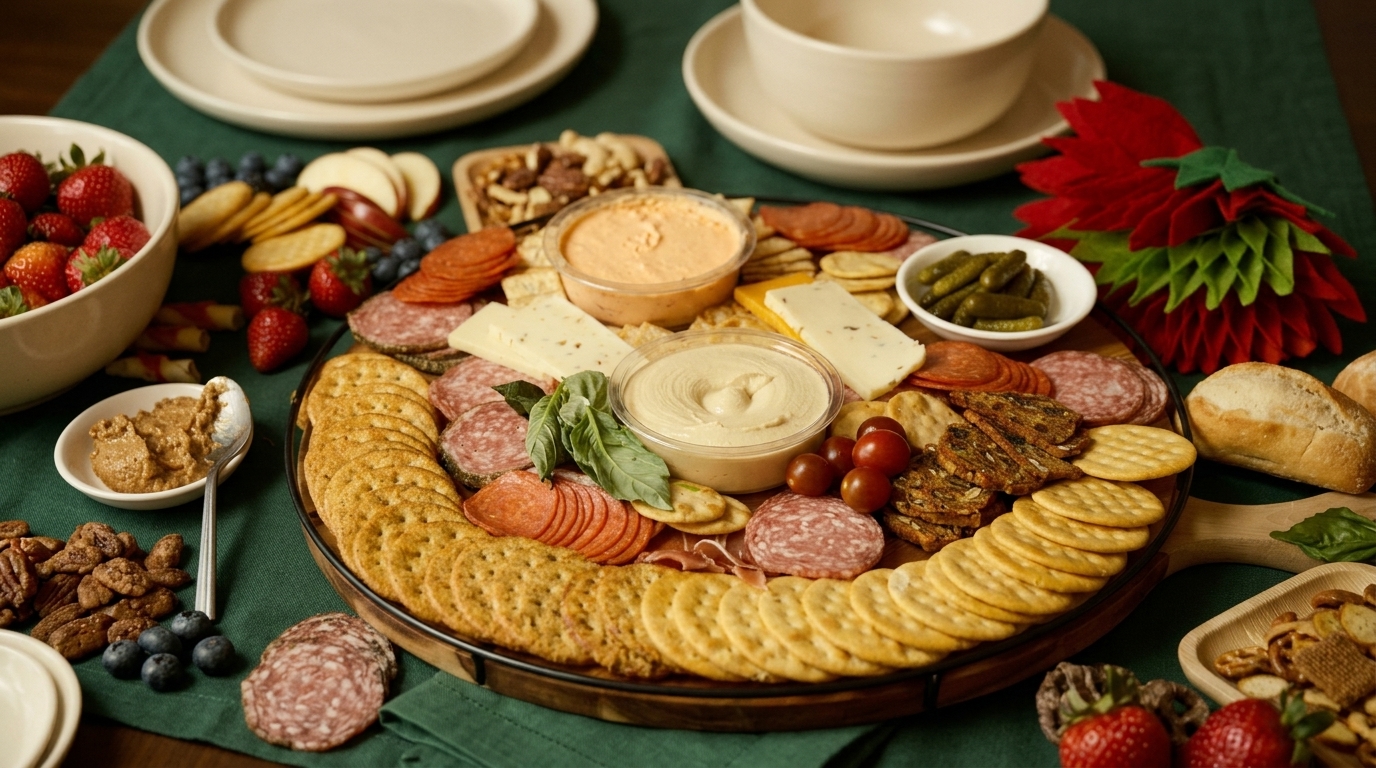
By organizing your catering menu with prices into these structured tiers, you simplify the decision process for clients and eliminate back and forth custom estimating. You can also review our operational breakdown on food board ideas at /guides/food-board-ideas-catering-guide to see how grazing displays fit seamlessly into tiered event menus.
Calculating Per Guest Food Costs and Establishing Prices
Accurate recipe costing is the foundation of catering profitability. Too many caterers guess their prices by looking at local competitors, failing to realize that competitor menus might be operating at a loss or utilizing completely different labor models.
To calculate your per guest food cost accurately, every single component must be measured and accounted for. This includes edible portion yield losses during trimming and butchery. If a whole beef tenderloin loses twenty five percent of its weight to connective tissue and fat during fabrication, your true ingredient cost per usable ounce is significantly higher than the supplier invoice price per pound.
In addition to ingredients, catering recipes must account for disposables and packaging materials. Half size foil pans, clear presentation domes, deli containers, biodegradable cutlery sets, paper napkins, and insulated carrier bags represent real operational expenses. Adding fifty cents to one dollar per guest for packaging ensures that service materials do not secretly eat your food margin.
Consider a practical example for a Classic Lunch Package priced at twenty four dollars per guest:
- Protein portion (six ounces seasoned herb chicken): two dollars and seventy five cents.
- Starch and grain base (five ounces roasted garlic potatoes): forty five cents.
- Seasonal vegetable side (four ounces roasted carrots and broccoli): sixty cents.
- Garden salad with scratch vinaigrette: seventy five cents.
- Artisan dinner roll and butter: forty cents.
- Packaging, serving utensils, and disposables: eighty five cents.
- Total cost per guest: five dollars and eighty cents.
Dividing five dollars and eighty cents by the twenty four dollar selling price yields a food cost of twenty four point two percent, leaving eighteen dollars and twenty cents of gross margin per guest to cover kitchen labor, delivery logistics, and commercial overhead. To verify your own dish numbers, use our free tool at /landing/tools/restaurant-food-cost-calculator and read our step by step walkthrough on how to work out the food cost percentage of a dish at /guides/how-to-work-out-food-cost-percentage-dish.
Setting Operational Rules, Minimums, and Service Fees
Even a perfectly costed catering menu will lose money if your operational policies allow clients to dictate impossible timelines or micro orders that disrupt restaurant service. Protecting your bottom line requires setting firm, transparent operational boundaries directly on your catering menu and quote agreements.
First, establish strict guest count minimums. Preparing a catering order for six guests requires nearly the same administrative setup, packaging staging, and delivery travel as an order for twenty five guests. Set a clear minimum order size, such as fifteen guests or three hundred dollars for drop off catering. For smaller orders, offer customer pickup during off peak restaurant windows rather than dedicating delivery staff.
Second, lock in firm advance ordering and guest count cutoff deadlines. Require all initial catering reservations to be confirmed at least seven business days in advance with a non refundable deposit. Require final headcount locks and full balance payments seventy two hours before event execution. This timeline allows your kitchen to place consolidated supplier orders without paying emergency delivery surcharges or holding excess perishable stock.
Third, maintain transparent service fees and delivery pricing. Never bury transportation, mileage, and setup expenses inside your base food cost. Charge a dedicated delivery fee based on driving distance or delivery zones, and apply an equipment retrieval fee if you provide reusable chafing racks, linens, or insulated cambros. For deeper insights on managing receivables and event deposits, review our guide on catering cash flow management at /guides/catering-cash-flow-management-2026-guide.
Balancing Kitchen Capacity and Prep Workflows
A successful catering menu planning guide must consider kitchen physical capacity. During busy holiday seasons or peak summer wedding months, your commercial kitchen may handle regular dine in service, takeout orders, and multiple large catering drop offs simultaneously. If your catering menu relies entirely on hot oven space, your cook line will quickly bottleneck.
To maintain flawless execution, engineer your catering packages with balanced station distribution:
- Hot Holding Balance: Limit hot items to one primary protein and one hot starch per package. Rely on insulated thermal carriers that hold food safely above one hundred and thirty five degrees Fahrenheit for up to four hours without external heat sources.
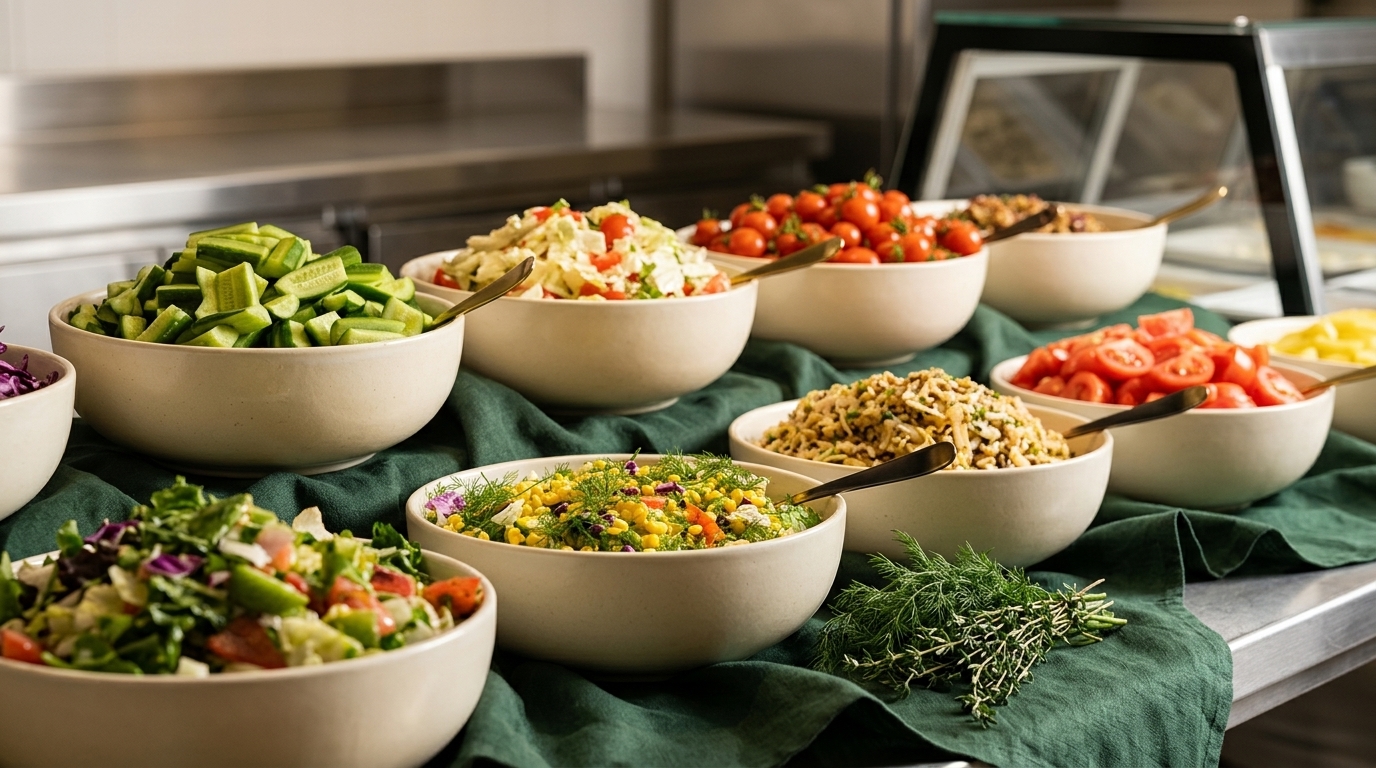
- Ambient and Chilled Dishes: Emphasize composed grain salads, pasta salads, artisan charcuterie, and seasonal slaws that can be held chilled in walk in coolers and delivered at ambient room temperature. This frees up precious oven space during morning prep rushes.
- Advance Batching Windows: Schedule foundation prep forty eight hours prior to delivery. Stocks, marinades, braises, and salad dressings should be prepared on quiet prep shifts, leaving event day cooks free to focus purely on portioning, final cooking, and packaging.
- Waste Tracking and Standardized Prep: Keep detailed prep sheets and portion scales at every packing station. Over portioning by just one ounce of protein per guest on a three hundred person corporate order wastes nearly nineteen pounds of meat. Enforcing portion control protects your budgeted food cost. To establish consistent kitchen routines, see our guide on how to set up a daily restaurant waste log routine at /guides/daily-restaurant-waste-log-routine.
Frequently asked questions
What is the ideal food cost percentage for a commercial catering menu?
Most commercial catering operations aim for a food cost between twenty eight and thirty two percent. High volume drop off corporate catering can operate comfortably around twenty five percent, while luxury private dining or weddings often reach thirty two to thirty five percent due to premium protein cuts and plated service requirements.
How should caterers price drop off catering compared to full service events?
Drop off catering menus are typically priced per guest or per tray with packaging and delivery logistics factored directly into the price structure. Full service catering requires separate line items for on site event staff, setup hours, service fees, and rented tabletop equipment to prevent staffing costs from eating into food margins.
How many menu options should a catering menu offer?
A streamlined catering menu should offer three core tiered packages, four to six curated protein selections, and three to four versatile sides that share foundation ingredients. Offering too many distinct choices overwhelms clients, increases inventory holding costs, and causes kitchen prep bottlenecks.
How do caterers handle dietary restrictions without creating custom menus?
Build dietary flexibility directly into package design by keeping foundation starches and garden salads naturally gluten free and dairy free. Offer allergen items such as toasted nuts, cheeses, and croutons in separate garnish containers, or provide one dedicated plant based protein that uses existing kitchen prep stations.
Conclusion
Planning a profitable catering menu is not about offering every dish a client might imagine. It is about building repeatable, engineered systems that protect your kitchen team, satisfy clients, and defend your bottom line. When you structure your offerings into three clear tiers, calculate accurate per guest food costs that include packaging and scrap, and establish firm operational boundaries for minimums and guest counts, your kitchen transforms catering from chaotic stress into predictable, high margin revenue.
Edesia helps commercial kitchens and caterers automate purchasing, turn menu orders into consolidated supplier shopping lists, track ingredient costs in real time, and eliminate prep waste. To discover how our kitchen operations software simplifies your catering workflow and protects your margins, explore our tools at https://edesia.catering or book a live software walkthrough.
Try it on your own menu
Use the menu item contribution calculator to run your numbers in your browser. No signup required, and your data stays on your device.