Easy Fall Meals: How Commercial Kitchens Build High Margin Autumn Family Style Dinners and Heat and Serve Programs
Turn surging fall meal demand into high margin restaurant revenue. Learn batch roasting workflows, family style dinner packaging, and precise food cost controls.
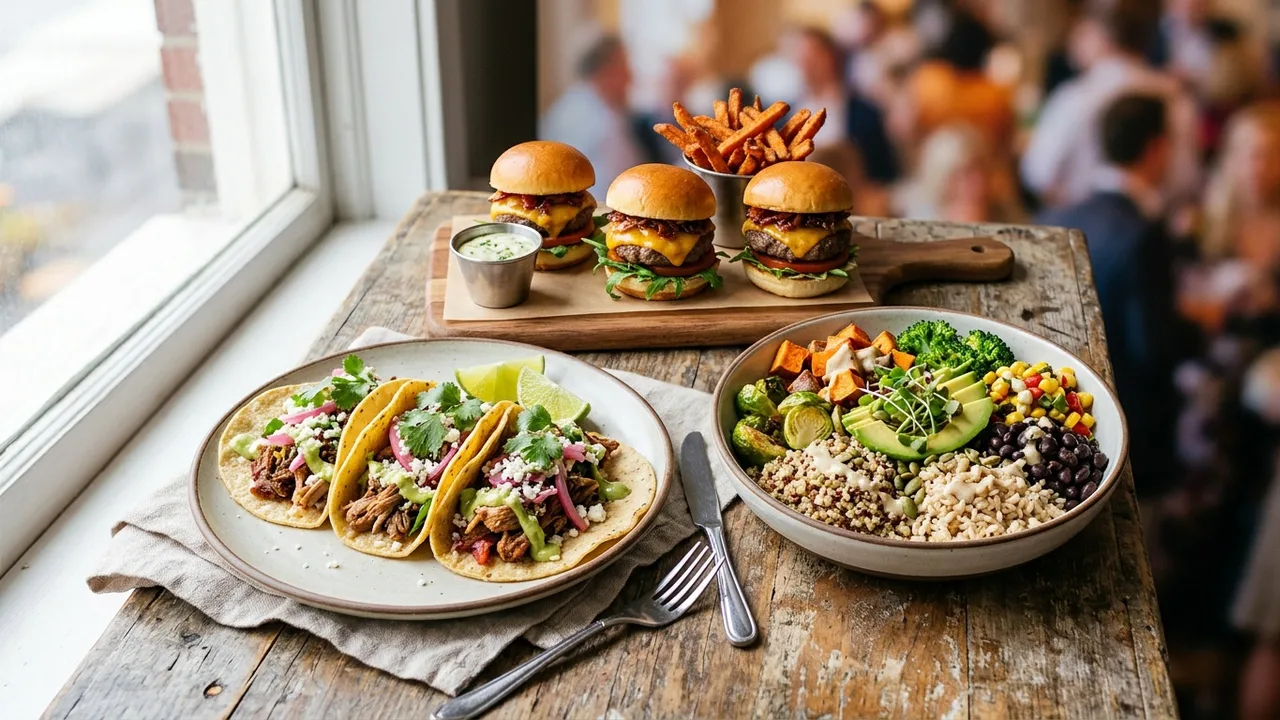
Photo by James Kern on Unsplash. Modified with AI as an illustrative image.
As autumn temperatures drop, guest dining habits shift noticeably. Families and working professionals look for warm, comforting dinners without spending two hours cooking or paying full service dining room markups every night. On Pinterest, search interest for easy fall meals surged five hundred percent month over month, climbing from an index rating of nineteen in late August to ninety nine by early October. For independent restaurants and commercial caterers, this seasonal demand represents a lucrative commercial opportunity. By packaging batch roasted proteins, seasonal harvest vegetables, and scratch sauces into family style bundles and heat and serve weeknight packages, kitchens can unlock substantial incremental revenue without overwhelming line cooks during dinner rush. The secret lies in disciplined menu engineering, high efficiency prep workflows, and predictable inventory ordering.
Engineering High Margin Autumn Menus Around Shared Foundation Batches
The foundation of a profitable seasonal meal program is component overlap. When an operator introduces new autumn specials, creating separate prep streams for every item quickly inflates labor hours and increases cooler waste. Instead, successful commercial kitchens engineer menus around versatile foundation components that serve multiple menu lines.
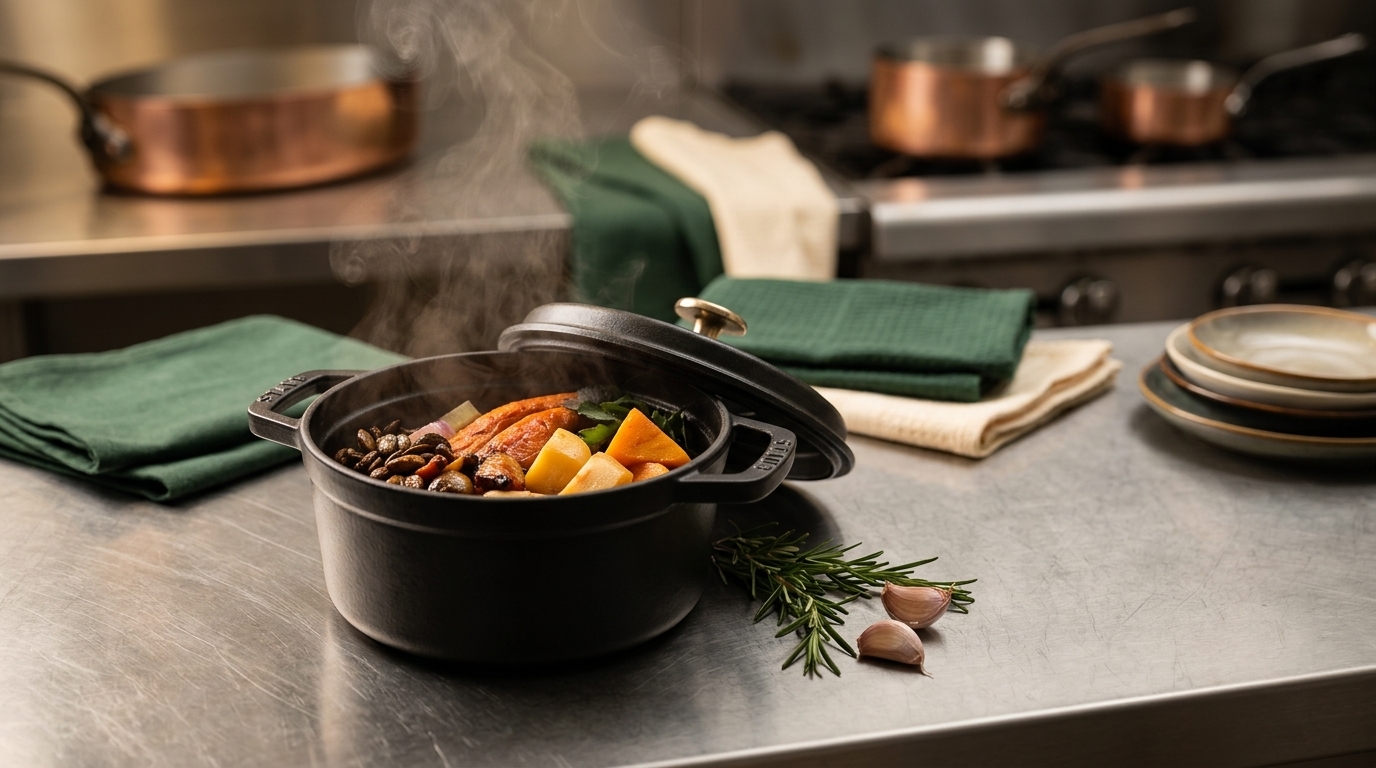
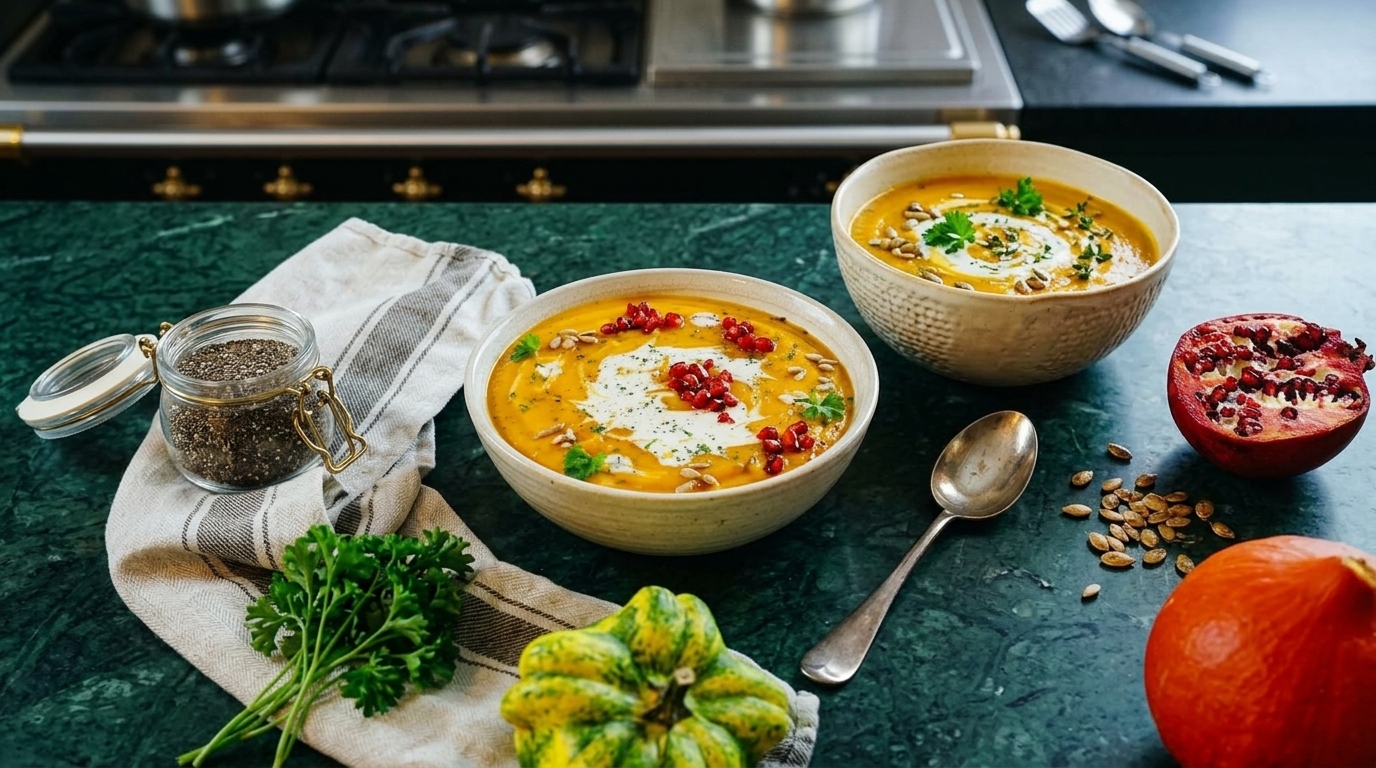
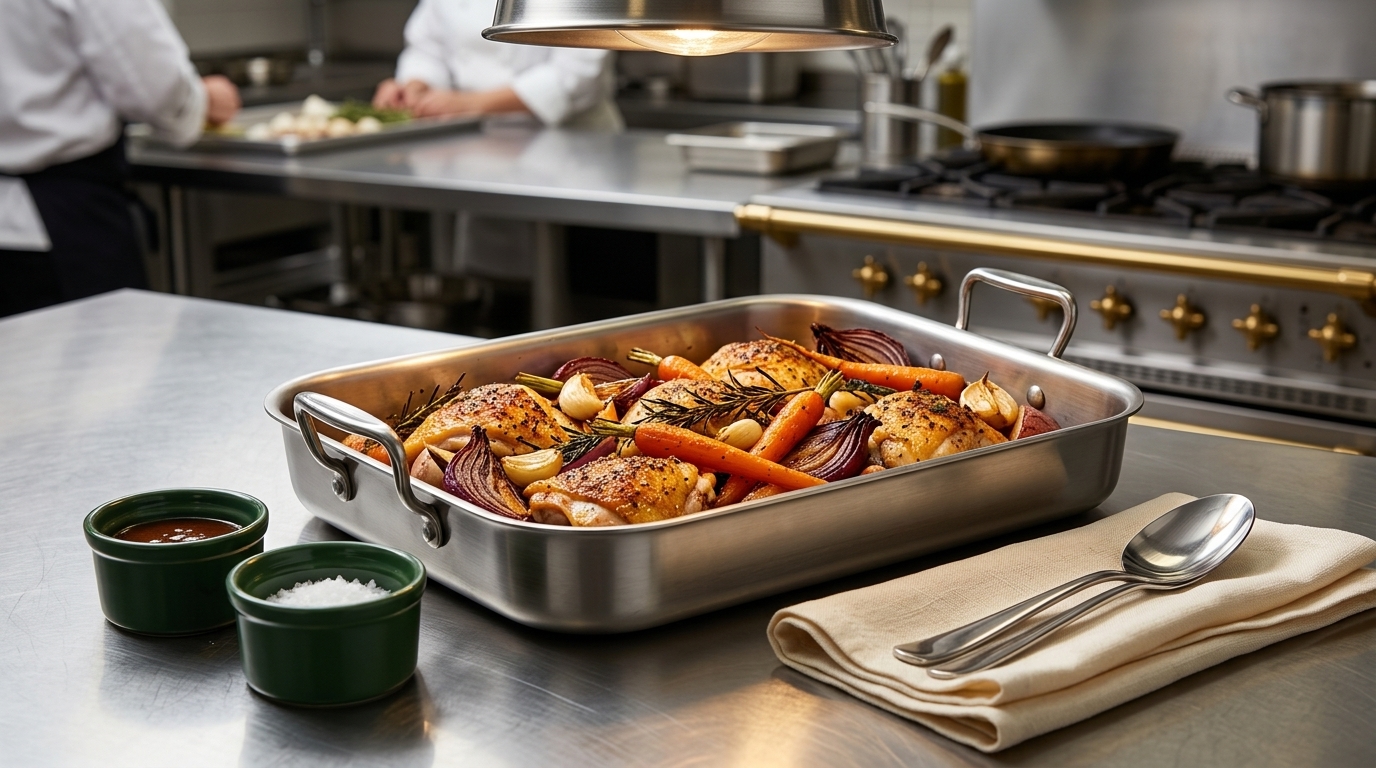
Consider bone in chicken thighs, herb rubbed pork loins, or autumn root vegetables such as butternut squash, carrots, and parsnips. A single morning sheet pan roast of spiced root vegetables can function as the primary side for a four person family dinner bundle, the vegetable base for a seasonal grain bowl on the lunch menu, and the purée foundation for an evening autumn soup.
By anchoring meals with seasonal harvest crops, kitchens achieve two vital financial goals. First, wholesale autumn produce often costs forty to sixty percent less per pound than premium animal proteins. Second, pairing disciplined five ounce protein portions with hearty, glazed autumn vegetables keeps target food costs strictly between twenty two and twenty six percent. Connecting your recipe cards directly to digital supplier ordering tools like Edesia ensures that batch scaling automatically updates your weekly purchasing lists based on actual order volumes.
Batch Roasting and Safe Two Stage Cooling Protocols
Executing easy fall meals at commercial scale requires moving cooking tasks out of peak dinner service and into calm morning prep windows. Commercial combi ovens and convection racks allow kitchens to batch roast dozens of pounds of chicken, sausages, and root vegetables simultaneously using standardized time and temperature profiles.
Once cooking finishes, food safety protocols must be rigorous. According to FDA Food Code cooling standards, cooked potentially hazardous foods must be cooled from one hundred thirty five degrees Fahrenheit to seventy degrees within two hours, and from seventy degrees to forty one degrees within four additional hours.
To achieve rapid cooling without tying up walk in shelf space, top operators utilize shallow stainless steel hotel pans filled no more than two inches deep. Stainless pans transfer heat far more rapidly than plastic storage tubs. Utilizing ice baths, cooling paddles, or dedicated blast chillers protects batch quality, halts moisture loss, and eliminates the risk of bacterial growth. For operators already managing scratch stocks, reviewing our guide on fall soup batch production and food cost controls offers complementary insights into high volume cooling workflows.
Packaging Standards and Foolproof At Home Reheating Systems
The customer experience of a heat and serve meal happens entirely in the home kitchen. If vegetables turn soggy or chicken dries out during reheating, repeat orders quickly disappear. Commercial operators must select packaging that preserves moisture while making preparation effortless for the guest.
Heavy gauge aluminum half pans fitted with crimp lids remain the industry gold standard for family sized portions. They distribute oven heat evenly, withstand temperatures up to four hundred degrees Fahrenheit, and fit cleanly into domestic ovens. For individual weekday dinners, dual compartment oven safe containers prevent sauces and vegetable juices from softening roasted starches.
Every bundle must include a standardized instruction card. Keep instructions simple and precise. Direct customers to preheat ovens to three hundred seventy five degrees Fahrenheit, add two tablespoons of water or broth to the pan if reheating proteins, keep foil tightly sealed for the initial twenty minutes, and vent the cover for the final five minutes to restore crisp textures. Always specify that internal food temperatures must reach one hundred sixty five degrees Fahrenheit measured with a probe thermometer. To prevent packaging and portion waste from eroding your margins, implement a structured daily restaurant waste log routine at your packaging station.
Preorder Windows and Inventory Forecasting to Eliminate Kitchen Waste
The biggest risk when launching takeout meal programs is overproducing perishable food that goes unsold. Unlike dining room guest counts that fluctuate with weather or neighborhood traffic, family style fall meals can be structured around predictable preorder schedules.
Establish a firm cutoff policy, such as requiring all dinner bundle orders to be placed by two in the afternoon for pickup between four and seven that evening. This gives kitchen prep teams a clear target batch count before line service begins. Cooks prepare exact counts, sheet pan roasts are portioned with zero leftovers, and walk in inventory turns over rapidly.
Tracking ingredient yields and par levels becomes straightforward when you use modern inventory software. Reviewing our comprehensive guide on restaurant inventory software can help operators understand how automated recipe costing prevents margin slippage. When paired with structured ordering, autumn dinner programs provide predictable weekly revenue, steady kitchen labor utilization, and minimal end of day food waste.
Frequently asked questions
How do commercial kitchens package easy fall meals for home reheating?
Heavy gauge aluminum half pans with crimp lids or dual compartment microwave and oven safe containers work best. Label each container with clear reheating times, oven temperatures, and internal temperature targets of one hundred sixty five degrees Fahrenheit.
What makes family style fall dinner packages profitable for restaurants?
Family style packages group four to six portions into single containers. This cuts labor during peak dinner rushes, reduces packaging costs per portion by thirty percent, and allows kitchens to use high margin seasonal produce like root vegetables and squashes alongside portion controlled proteins.
Can heat and serve autumn meals be prepped days ahead safely?
Yes. Following FDA Food Code standards, cooked items cooled from one hundred thirty five to forty one degrees Fahrenheit within six hours can be held safely at forty one degrees or colder for up to seven days. Most kitchens hold meal components for forty eight to seventy two hours to maintain peak flavor and texture.
How can restaurants prevent prep chaos when launching autumn dinner bundles?
Implement strict daily order cutoffs, such as two in the afternoon for same evening pickup. This gives prep cooks predictable counts before dinner service begins and avoids pulling line cooks away from standard dining room orders.
Conclusion
Consumer appetite for comforting, effortless autumn meals is at an annual peak. By turning rising search interest into structured family style dinner bundles and heat and serve packages, independent restaurants and caterers can drive high margin revenue through their existing kitchens. The keys to success are simple: engineer menus around versatile autumn produce, enforce safe batch cooling procedures, provide foolproof reheating instructions, and schedule orders around strict prep cutoffs.
To eliminate the administrative headache of calculating ingredient shopping lists and managing supplier orders by hand, explore Edesia. Edesia automatically converts your seasonal event orders and catering inquiries into accurate purchasing requirements, tracks inventory levels, and helps commercial kitchens reduce food costs while running smoother operations.
Keep more of what your kitchen earns
Edesia helps you track inventory, reduce waste, compare suppliers, and plan purchases. Catering orders and customer replies are included, too.