Friendsgiving Catering Menu Engineering: How Commercial Kitchens Build Profitable Group Feast Packages and Drop Off Systems
Learn how commercial kitchens engineer profitable Friendsgiving catering packages, manage preorder cutoffs, control food costs, and streamline drop off operations.
Photo by Jed Owen on Unsplash. Modified with AI as an illustrative image.
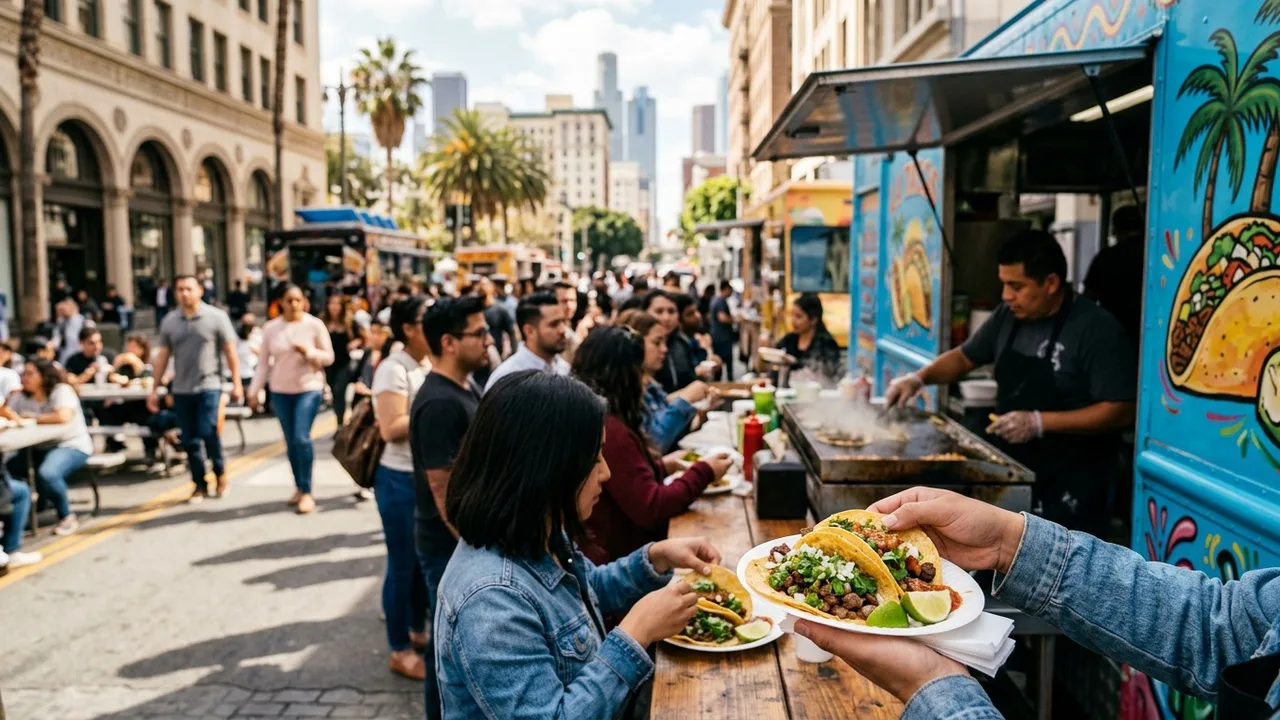
As mid autumn arrives, consumer interest in group entertaining accelerates rapidly. Official Pinterest trend data reveals that searches for friendsgiving food ideas have climbed three hundred percent month over month across the United States. For commercial kitchens, caterers, and independent restaurants, this spike in casual holiday entertaining represents a prime opportunity to build high ticket revenue ahead of the traditional Thanksgiving week rush. Friendsgiving gatherings emphasize communal abundance, hearty comfort flavors, and effortless sharing among friends, coworkers, and neighborhood groups.
Capturing this seasonal demand requires more than simply offering large format portions of existing dinner menu items. Profitable group catering demands deliberate menu engineering, strict capacity caps, disciplined ingredient purchasing, and standardized packaging workflows. When commercial operators design modular feast packages built around high margin sides and reliable batch production, Friendsgiving orders transform into predictable, stress free kitchen profits.
The Economics of Friendsgiving: Why Group Dining Packages Protect Kitchen Margins
Between late October and the Thanksgiving holiday, independent restaurants and caterers encounter an intense surge in casual group entertaining. Friendsgiving gatherings differ fundamentally from formal seated banquets. Groups of eight to twenty guests want festive, generous holiday food delivered to private homes, creative offices, or casual event venues without the staffing costs of full service catering.
From an operating margin perspective, Friendsgiving drop off catering represents one of the most profitable opportunities on the annual calendar when executed correctly. Unlike customized corporate banquets that demand bespoke menus and onsite plating staff, Friendsgiving feasts thrive on standardized packages. Kitchens that limit client choices to two preset tier options can achieve composite food costs between twenty two and twenty six percent.
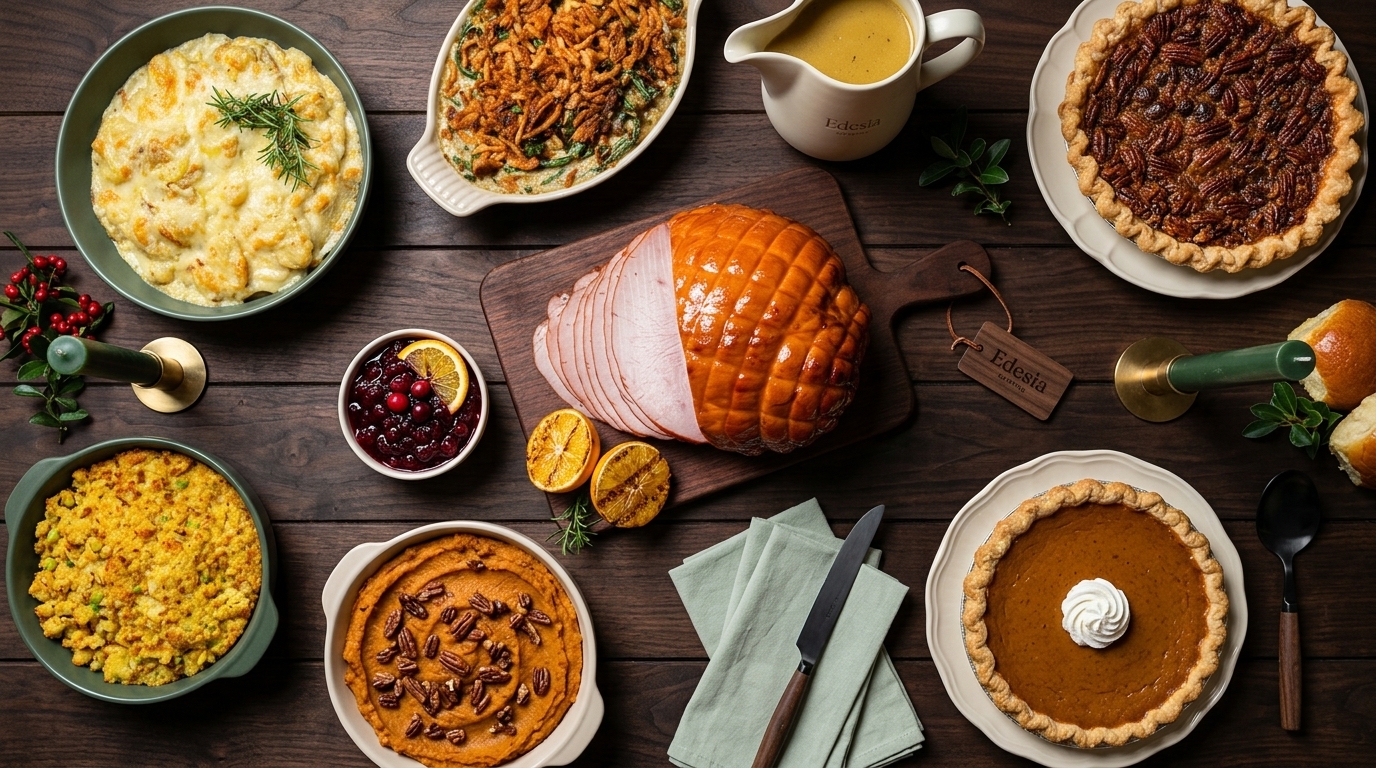
The financial secret lies in the plate architecture. While whole roast proteins command the center of the menu, high margin autumn starches and vegetable sides drive the actual profit margin. Foundation items such as maple glazed carrots, brown butter sweet potato puree, sage cornbread stuffing, and spiced apple braised cabbage carry raw food costs well below fifteen percent. When bundled alongside center cut meats or braised poultry, the blended ticket margin expands dramatically. To learn more about balancing menu margins across event packages, review our guide on catering event profitability explained.
Structuring Preorder Windows, Production Caps, and Purchasing Cutoffs
The greatest threat to seasonal catering profitability is uncapped kitchen capacity. Without strict booking windows, a kitchen risks taking on more roasting and cooling volume than its combi ovens and refrigeration space can physically handle. Setting hard operational parameters early preserves quality and protects staff sanity.
First, establish clear preorder cutoff dates. For weekend gatherings taking place throughout November, close order intake at least seventy two hours prior to pickup or delivery. This window provides your purchasing team sufficient time to reconcile inventory counts and submit bulk wholesale orders before vendor cutoff times. When poultry and dairy shortages emerge as Thanksgiving approaches, placing advance vendor commitments locks in stable wholesale pricing and prevents emergency retail runs.
Second, establish production caps based on oven rack space and walk in cooler cubic footage. Calculate the maximum number of hotel pans your kitchen can hot hold or chill safely within the required two hour food safety window. Once that pan count is booked, mark that delivery window sold out. As outlined in our guide on small caterer workflow efficiency tips, disciplined capacity management prevents expensive overtime labor and chaotic rush prep.
Assembly Line Batch Prep, Two Stage Cooling, and Holding Safety
Executing forty Friendsgiving packages simultaneously requires turning traditional line cooking into a synchronized assembly line workflow. Group prep tasks by thermal process rather than individual dish recipes.
-
Foundation Batch Roasting: Roast all root vegetables, stuffing bases, and braised proteins in consecutive commercial oven cycles during early morning prep shifts. Utilize standardized half sheet pans and deep hotel pans to maintain consistent heat penetration and uniform portion yields.
-
Rapid Two Stage Cooling: Food code requires cooling hot prepared items from one hundred thirty five degrees Fahrenheit to seventy degrees within two hours, and down to forty one degrees or below within an additional four hours. Use shallow metal hotel pans, ice baths, or blast chillers to bring bulk autumn sides through this danger zone rapidly. Never stack warm pans inside the walk in cooler, as trapped residual steam elevates ambient temperatures and creates condensation risks.
-
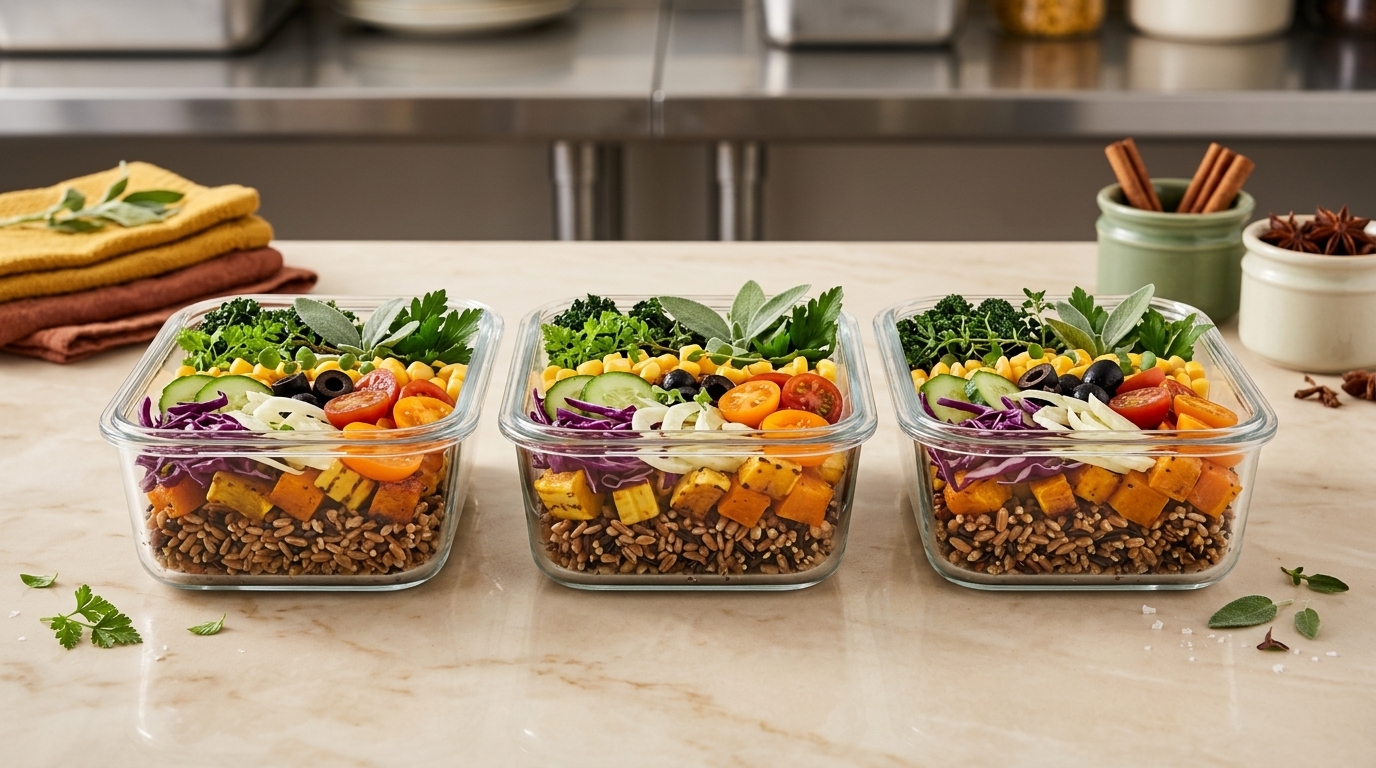
Cold Packaging Mise en Place: Assemble cold take and bake packages in designated clean assembly zones. Portion chilled sides into oven safe aluminum catering trays with embossed crimp lids. Color coded labels denoting dish name, allergen advisories, batch timestamp, and reheating instructions ensure speed and complete accuracy. Operators seeking to reduce waste during heavy prep days can apply our practical framework for a daily restaurant waste log routine.
Streamlining Drop Off Logistics and Client Reheating Protocols
A flawless kitchen prep run can still fail if food arrives lukewarm, spills during transit, or is reheated improperly by the host. Friendsgiving drop off orders generally fall into two service categories: hot ready to serve delivery, or chilled take and bake pickup.
For hot ready to serve drop off orders, pack hot pans into insulated front loading food pan carriers lined with preheated thermal camchillers. Monitor internal food temperatures prior to loading and verify that all hot items register at least one hundred forty degrees Fahrenheit. Include disposable wire chafing racks, twin water pans, and two hour sternos with every hot package to ensure guests maintain holding temperatures throughout the party.
For chilled take and bake packages, simplicity is paramount. Print clear, step by step reheating guides on durable cardstock placed on top of each catering delivery box. Avoid culinary jargon and specify oven temperatures, covered versus uncovered baking times, and target internal temperatures using common kitchen thermometers. When hosts know precisely how to crisp the stuffing and warm the carved roast to perfection, food quality matches restaurant standards and produces raving word of mouth referrals for your holiday book. For further strategies on coordinating complex event logistics, see our guide on how to handle catering last minute changes.
Frequently asked questions
What are the most profitable dishes to include in a Friendsgiving catering package?
Autumn side dishes and starches provide the highest profit margins in a holiday catering package. Items such as brown butter mashed sweet potatoes, herb cornbread stuffing, roasted spiced root vegetables, and braised red cabbage maintain food costs between twelve and eighteen percent. Pairing these foundation sides with portion controlled carved meats produces a balanced composite food cost below twenty five percent.
How far in advance should commercial kitchens take Friendsgiving catering preorders?
Open preorder sales at least four weeks before November gatherings, and enforce a strict ordering cutoff seventy two hours prior to the fulfillment date. This advance window allows your kitchen to consolidate supplier orders, secure wholesale ingredient pricing before holiday shortages, and schedule kitchen prep labor accurately.
Is it better to deliver Friendsgiving catering hot or as a take and bake package?
Offering chilled take and bake packages is generally more profitable and operationally efficient for commercial kitchens. Chilled packages can be prepped, batch portioned, and staged in advance during off peak kitchen hours, eliminating the frantic last minute rush of hot holding and heated transit during busy evening rushes.
Conclusion
Friendsgiving catering offers commercial kitchens and restaurants a powerful mechanism to expand fourth quarter revenues before traditional holiday dining peaks. By engineering preset family style packages, anchoring menus with high margin autumn produce, enforcing rigid preorder cutoffs, and standardizing reheating instructions, operators can deliver exceptional holiday feasts while protecting back of house margins.
Scaling seasonal catering orders without inventory chaos requires modern operational discipline. Edesia helps commercial kitchens turn seasonal holiday catering menus into exact supplier shopping lists, track live inventory, and manage client orders across email and phone. Learn more at Edesia.
Keep more of what your kitchen earns
Edesia helps you track inventory, reduce waste, compare suppliers, and plan purchases. Catering orders and customer replies are included, too.