Holiday Punch Catering for Commercial Kitchens: Batch Cordial Logistics, Effervescence Control, and High Margin Beverage Stations
Master holiday punch catering for commercial kitchens. Learn batch cordial prep, effervescence control, ice dilution kinetics, and 85 percent margin beverage stations.
Photo by Cody Berg on Unsplash.
During peak winter entertaining, commercial kitchens and catering operations face relentless pressure on back of house labor and kitchen equipment. Ovens run at capacity, burners are claimed by braises and sauces, and banquet plating stations monopolize stainless prep tables. In this high intensity environment, holiday punch stations represent an exceptional operational opportunity. When engineered correctly, large format holiday punches command gross margins between 80 and 88 percent while shifting volume away from overworked kitchen stations and crowded bar setups. Guests appreciate the visual abundance and festive hospitality of a vibrant communal punch bowl or polished drink dispenser. Yet many operators stumble on the execution. Flat sparkling wine, watery dilution after twenty minutes, oxidized citrus juice, clogged dispenser spigots, and uncontrolled pouring can transform an easy revenue stream into service friction. By approaching holiday punch as a disciplined production system, commercial caterers can achieve consistent flavor, crisp effervescence, and predictable margins across corporate banquets and private holiday gatherings.
The Chemistry and Formulation of Commercial Batch Cordials
The foundation of any successful catering punch is a concentrated, balanced cordial base prepared well ahead of event day. Fresh citrus juice begins deteriorating within four to six hours as enzymatic browning and bitter oxidation compounds develop. For commercial catering, juicing hundreds of lemons or oranges on the morning of a fifty gallon event creates severe labor bottlenecks.
The professional solution is an oleo saccharum cordial combined with clarified juice and acidified fruit purees. Oleo saccharum extracts essential aromatic citrus oils through sugar maceration. Kitchen teams toss citrus peels with granulated sugar at a ratio of one part peel to one part sugar by weight, allowing ambient room temperature osmosis to pull intensely fragrant terpenes from the zest over four to twelve hours. Once the sugar dissolves into syrup, strained fresh citrus juice is stirred in to dissolve any remaining crystals.
To maintain stability across multi day events, incorporate natural fruit purees such as cranberry, pomegranate, or spiced apple cider that have been heated briefly with winter spices including cinnamon sticks, star anise, and whole cloves, then chilled immediately. This heating step deactivates pectolytic enzymes that cause beverage separation while locking in deep ruby color. The target brix level for the finished cordial base should sit between 22 and 26 degrees Plato. This concentrated density ensures that when the cordial is diluted with sparkling mixers and melting service ice, the final drink retains robust flavor and balanced sweetness without turning cloying.
Managing Carbonation, Effervescence, and Two Stage Service Assembly
The single most frequent mistake in holiday punch catering is mixing carbonated ingredients into the batch in the prep kitchen hours before the event. Carbon dioxide solubility decreases rapidly as beverage temperatures rise or when agitated through transport in commercial delivery vans. A punch batched with ginger beer or Prosecco at 8:00 AM will arrive at a 1:00 PM reception completely lifeless.
Commercial caterers must enforce a strict two stage service assembly standard. Stage one consists of the chilled cordial base, spirit or zero proof botanical blend, and still juices, held cold in sealed food grade containers below 38 degrees Fahrenheit. Stage two is the live topping protocol executed on site at the event venue.
For optimal mouthfeel and visual sparkle, calculate a baseline ratio of two parts chilled cordial blend to three parts cold carbonated mixer. Keep bottles of dry sparkling wine, club soda, or craft ginger beer submerged in crushed ice until the exact moment of station replenishment. When refilling the punch vessel, pour the carbonated liquid down the side of the bowl or dispenser rather than splashing it directly into the center. This laminar pouring minimizes nucleation and preserves effervescence for the full duration of a two hour reception window. Document these ratios on standardized recipe cards so front of house banquet staff execute identical refills regardless of staffing changes.
Thermal Control and Dilution Kinetics: Large Format Ice Blocks Versus Cubes
Standard commercial ice cubes possess a high surface area to volume ratio. When dumped into a room temperature punch bowl, standard cubes melt rapidly, chilling the beverage quickly but introducing twenty to thirty percent excess water within twenty five minutes. The beverage becomes pale, watery, and unbalanced, prompting guests to abandon their glasses and request custom drinks from the main bar.
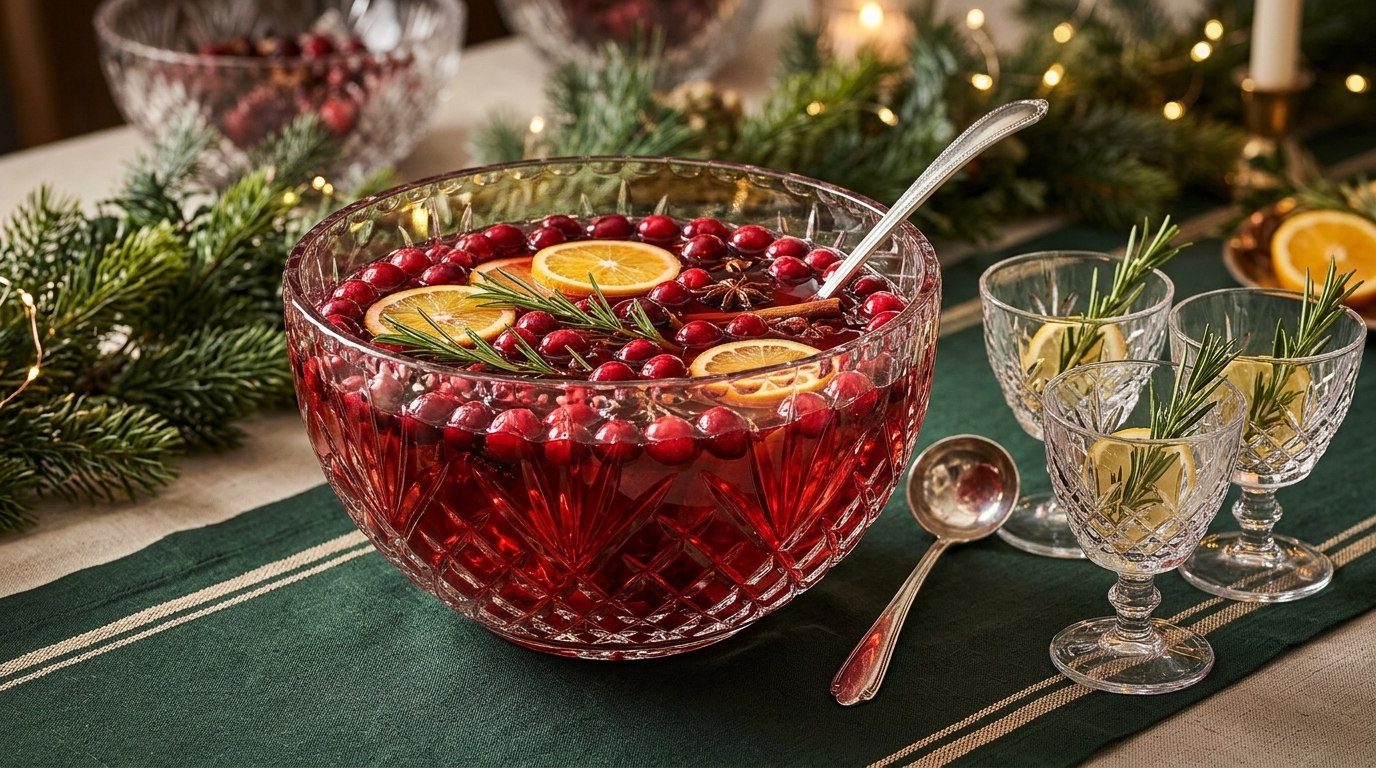
Controlling dilution requires understanding ice kinetics. Large format clear ice blocks or molded ice rings melt at a fraction of the speed of small cubes because of their low surface area. Commercial kitchens can produce stunning, functional ice rings using standard bundt pans or silicone ring molds. Fill molds halfway with distilled or filtered water, freeze solid, arrange fresh cranberries, thin orange wheels, and rosemary sprigs on the ice layer, fill with remaining cold water, and freeze completely. The frozen botanical ring provides slow, gentle cooling over three to four hours while keeping decorative garnishes suspended rather than wilting into mush.
For high volume corporate beverage dispensers with narrow neck openings, prepare concentrated punch blocks by freezing a portion of the punch base itself. As these concentrated blocks melt, they release additional flavor and acidity rather than plain tap water, keeping the brix level stable throughout extended service.
Station Flow, Dispenser Selection, and Drop Off Versus Staffed Logistics
Station placement and vessel engineering determine whether a holiday punch program reduces service friction or creates new bottlenecks. For staffed events, traditional crystal or silver footed punch bowls add theatrical luxury, but they demand continuous attendant supervision to keep ladle drips from staining tablecloths and to monitor ice freshness.
For drop off corporate catering and high volume buffets, double walled insulated beverage dispensers with stainless spigots are vastly superior. However, spigots introduce a hidden hazard: pulp and whole spice clogs. Never drop whole cranberries, orange slices, or cinnamon sticks into a bottom spigot dispenser. These solids migrate directly to the valve opening, choking the flow and creating messy overflows as guests struggle with the tap.
Instead, enclose whole spices inside food grade mesh steeping bags during the batch chilling phase, and finely strain the cordial through a superbag or fine chinois before loading dispensers. Display fresh fruit garnishes, citrus wheels, and herb sprigs in separate chilled ramekins beside the glassware, inviting guests to garnish their own glasses. Provide dedicated drip trays beneath every spigot. Position the punch station at least fifteen feet away from both the buffet line and the primary bar to draw guests across the room and disperse event congregation. Operators can review optimal layout strategies in our guide to buffet set up for commercial catering.
Beverage Cost Engineering, Portion Modeling, and Upselling Tiered Packages
Beverage stations are among the most powerful tools caterers possess to protect overall event profitability. While premium holiday proteins like beef tenderloin or fresh seafood carry food costs between 28 and 35 percent, an engineered holiday punch station operates at a raw ingredient cost of 12 to 16 percent.
Consider a standard six ounce serving of spiced holiday cranberry citrus punch. A cordial formulated from bulk frozen cranberry puree, seasonal navel oranges, scratch spiced sugar syrup, and premium ginger beer costs approximately sixty five to eighty five cents per portion. When sold as part of a private holiday package at six to eight dollars per cover, the gross margin comfortably exceeds 85 percent. Adding a quality dry sparkling wine or bourbon elevates the portion cost to one dollar and forty cents, supporting a menu price of ten to twelve dollars per guest.
To maximize volume, structure holiday beverage packages into three distinct tiers:
- Festive Zero Proof Station: Featuring the spiced fruit cordial, seasonal garnishes, and sparkling sodas, marketed to corporate clients focused on inclusive holiday celebrations.
- Dual Service Hybrid Station: The non alcoholic base is served from the primary dispenser, with a secondary station attendant offering optional spirit pours such as rye whiskey, spiced rum, or London dry gin.
- Premium Sparkling Punch Bar: The cordial base is topped table side with regional sparkling wine and presented alongside individual botanical garnish flights.
By linking ingredient purchases with central inventory using Edesia, kitchen managers can track citrus yields, cross utilize winter spices across kitchen braises and bar syrups, and monitor precise batch production costs in real time. For deeper insights on calculating portion margins across event menus, explore our guide on how to calculate food cost percentage and our restaurant food cost calculator.
Frequently asked questions
How far in advance can a commercial kitchen batch the holiday punch cordial?
A properly formulated cordial made with oleo saccharum, cooked spiced fruit juices, and clarified citrus can be batched three to five days before an event when held below 38 degrees Fahrenheit in sealed food grade containers. Carbonated elements like sparkling wine, club soda, and ginger beer must always be added on site immediately prior to service.
How much punch should a caterer prepare per guest for a standard reception?
For a standard two hour holiday cocktail reception where punch is the featured drink alongside wine and beer, calculate two to two and a half six ounce servings per guest. For zero proof holiday luncheons where punch is the primary offering, plan for three six ounce servings per guest.
How do caterers prevent dispenser spigots from clogging during self service?
Strain all cordial bases through a fine mesh chinois before pouring into dispensers, and steep whole spices inside cheesecloth or mesh brewing bags during prep. Never place fresh fruit, whole berries, or herbs directly into a spigot dispenser. Place garnishes in separate side dishes with tongs next to the glassware.
How can kitchen teams cross utilize holiday punch ingredients to reduce waste?
Leftover citrus peel sugar macerations can be converted into dessert glazes for holiday pastries or glazes for roasted meats. Unused spiced fruit cordials freeze exceptionally well and can be repurposed for winter cocktail specials or hot mulled cider programs in subsequent weeks.
Conclusion
Engineering a profitable holiday punch program transforms an ordinary seasonal beverage into a dependable profit engine and an operational buffer for busy catering teams. By formulating shelf stable cordial bases with oleo saccharum, enforcing on site two stage carbonation, controlling dilution with slow melting ice rings, and selecting dispenser hardware that prevents messy clogs, commercial kitchens can delight event hosts while securing gross margins above 85 percent. When back of house operations run smoothly, banquet teams can focus on hospitality and flawless presentation. To streamline recipe scaling, automate supplier purchasing, and monitor event profitability across every holiday menu, partner with Edesia and run a calmer, more profitable commercial kitchen.
Try it on your own menu
Use the restaurant food cost & variance calculator to run your numbers in your browser. No signup required, and your data stays on your device.