Thanksgiving Catering Sides: How Commercial Kitchens Build High Margin Holiday Packages and Batch Systems
Master Thanksgiving sides catering with batch prep workflows, par baking schedules, plate margin engineering, and safe reheat drop off logistics for restaurants.
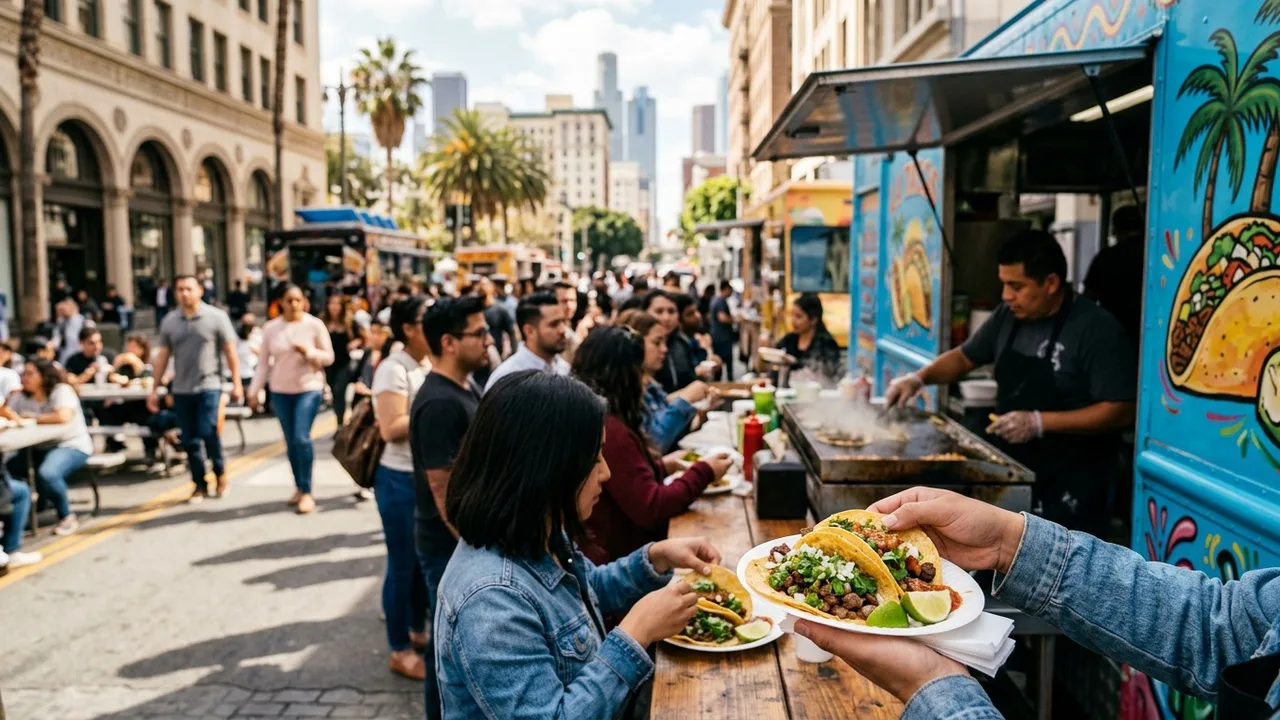
Photo by Chelsea shapouri on Unsplash. Modified with AI as an illustrative image.
Thanksgiving remains one of the most lucrative and operationally demanding periods on the catering calendar. While center of the plate roasted turkeys capture customer attention, experienced operators know that side dishes drive the real profitability. Wholesale poultry and meat costs can easily consume thirty to thirty five percent of protein revenue, yet vegetable gratins, savory stuffings, roasted root vegetables, and scratch gravies routinely run at twelve to eighteen percent food cost.
Many residential hosts and corporate office managers prefer cooking their own turkey or buying a smoked bird while outsourcing all the laborious side dishes to local restaurants and commercial kitchens. Capitalizing on this seasonal demand requires more than offering standard dinner sides in foil pans. Successful holiday catering demands modular menu engineering, precise batch prep workflows, par baking schedules, and foolproof reheating instructions for drop off orders. When you treat Thanksgiving sides as an engineered production system, you protect kitchen labor, eliminate holiday chaos, and capture outstanding gross margins.
The Economics of Thanksgiving Sides: Why Accompaniments Deliver Superior Margins
In commercial food operations, menu engineering separates volume from true profit. A whole roasted turkey requires significant oven real estate, unpredictable roasting times, and thin margins. In contrast, bulk holiday sides rely on cost effective staples such as potatoes, celery, onions, day old artisanal bread, autumn squash, dairy, and seasonal herbs.
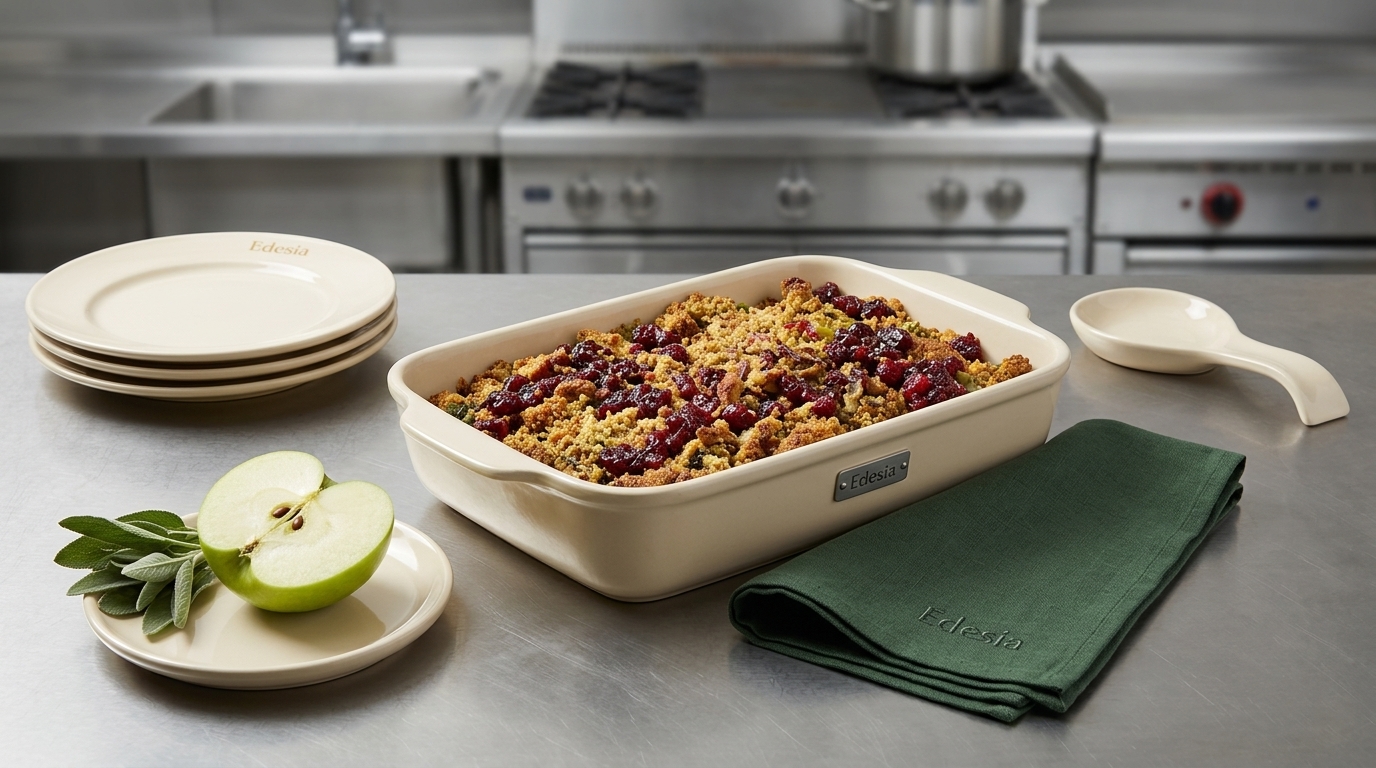
Consider the baseline unit economics of a standard half pan serving ten to twelve guests. A scratch made herb stuffing costs approximately five to seven dollars in raw ingredients, including crusty sourdough bread cubes, aromatics, butter, stock, and fresh sage. That same half pan retails comfortably between forty five and sixty dollars. Even after factoring in pan packaging and kitchen labor, the contribution margin exceeds seventy percent. Similar margins apply to roasted root vegetable medleys, sweet potato casseroles with spiced pecans, and creamy potato purees.
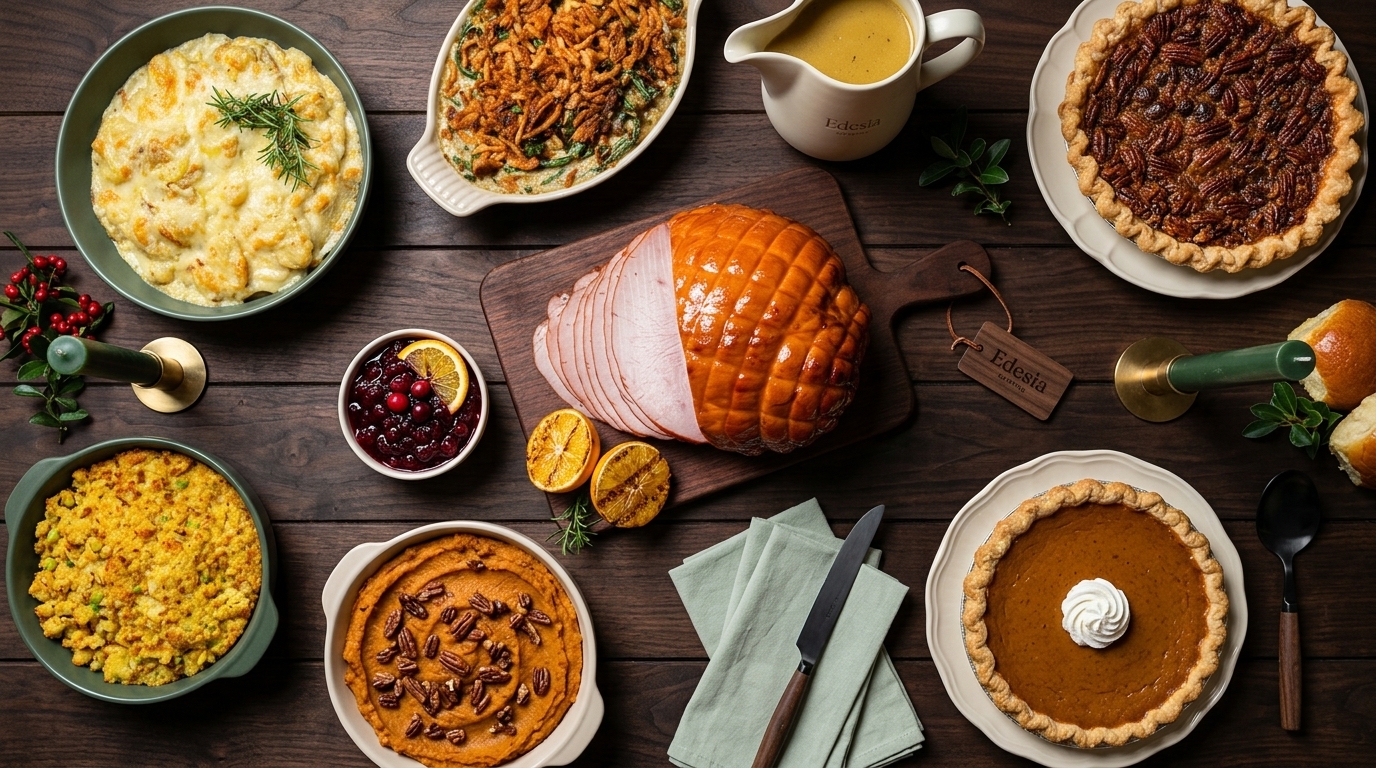
To maximize holiday revenue without overwhelming prep stations, engineer your holiday menu around a core package plus modular a la carte add ons. For related operational strategies on package tiers, review our Friendsgiving catering menu guide. Offer a complete Thanksgiving feast accompaniment box containing four core sides, artisan dinner rolls, and a quart of house stock gravy sized for eight or sixteen guests. Allow clients to add extra half pans for larger gatherings. Bundling sides into standardized headcount packages stabilizes production forecasting and prevents line cooks from preparing dozens of custom small batch variations.
Production Batching and Oven Workflow Scheduling
The greatest bottleneck during Thanksgiving week is oven capacity. Roasting turkeys, baking pies, and finishing sides simultaneously will jam any kitchen line. The solution lies in aggressive batch production and par baking scheduled forty eight to seventy two hours ahead of pickup.
Structure production around shared base components. One large batch of caramelized onions, celery, and garlic can supply the foundation for your stuffing, savory bread pudding, and green bean casserole. Scratch poultry and vegetable stocks should be prepared in large stockpots over the weekend prior to Thanksgiving week. If your kitchen produces seasonal soups, you can align stock production with the techniques covered in our fall soup batch production guide.
Implement a strict par baking protocol. Gratins, stuffing, and baked vegetable dishes should be cooked to an internal temperature of one hundred sixty degrees Fahrenheit during early prep, allowing the starch and dairy matrix to set without developing a final deep crust. Immediately transfer items to shallow cooling racks or blast chillers to satisfy health department cooling curves, bringing food from one hundred thirty five to seventy degrees within two hours and down to forty one degrees within four additional hours.
Chilled par baked pans are sealed with commercial wrap and stored in designated walk in racks organized by pickup day. On distribution day, items are either staged cold for customer home reheating or rotated through convention ovens for hot drop off delivery. This workflow transforms Thanksgiving morning from a frantic cooking marathon into an orderly staging and dispatch operation.
Drop Off Logistics, Packaging, and Reheating Instructions
A flawless kitchen execution can still fail if the drop off experience falls short. Thanksgiving catering customers are often stressed hosts juggling visiting family and tight timelines. Your packaging and client communication must eliminate all guesswork.
Standardize on heavy gauge aluminum half pans with snug crimp lids. Half pans fit standard home oven racks side by side, allowing hosts to reheat multiple dishes at three hundred fifty degrees Fahrenheit without playing puzzle games with oversized hotel pans. Label every single pan with moisture resistant printed tags containing four vital pieces of information: dish name, allergen declaration, exact oven reheating time and temperature, and holding guidelines.
Never rely on generic verbal reheating advice. Provide a printed single sheet Thanksgiving Day guide with every order. State clearly whether the lid should remain crimped or be removed for the final ten minutes to restore crispness. Detail microwave reheating alternatives for potato purees and stovetop warming tips for gravies. When reheating instructions are clear and foolproof, customer satisfaction climbs and post holiday reviews remain stellar. For additional workflow advice on delivery timing, explore our small caterer workflow efficiency tips.
Preorder Windows, Capacity Caps, and Food Cost Tracking
Holiday catering profitability quickly evaporates if purchasing is disorganized or if order cutoffs are soft. Independent operators often make the mistake of accepting last minute additions that disrupt vendor deliveries and force staff into expensive overtime.
Establish strict preorder cutoffs at least seven days before Thanksgiving. Closing orders early allows your culinary team to lock down aggregate ingredient requirements and place consolidated distributor orders well ahead of seasonal shortages. Implement hard production caps based on your verified walk in square footage and oven throughput. Once your kitchen reaches its maximum half pan holding capacity, declare sold out status on that package tier. Scarcity protects your service execution and encourages early bookings next year.
Throughout holiday prep week, maintain daily waste tracking to catch yield loss before food costs escalate. Recording trim waste from root vegetables, excess bread trim, and over portioned sauces ensures recipes remain true to calculated plate costs. Read our daily restaurant waste log routine for a simple system your line cooks can maintain during busy shifts. Managing cash flow through structured pre payment deposits also keeps your accounts liquid during high volume inventory purchases, as detailed in our catering cash flow management guide.
Frequently asked questions
Can Thanksgiving sides be prepared and par baked several days ahead?
Yes. Starch based sides such as stuffing, root vegetable casseroles, and gratins can be par baked forty eight to seventy two hours before pickup. Cool them rapidly to below forty one degrees Fahrenheit and keep them refrigerated until staging.
What are the most profitable Thanksgiving catering sides for restaurants?
Scratch made bread stuffing, roasted autumn root vegetables, sweet potato gratins, and bulk poultry gravies consistently deliver the lowest ingredient cost and the highest contribution margins.
How should commercial kitchens package Thanksgiving sides for customer pickup?
Standard heavy gauge aluminum half pans with tight crimp lids work best. Half pans fit easily into home ovens and commercial transport cambros while ensuring even reheating.
How can catering kitchens prevent oven bottlenecks on Thanksgiving morning?
Encourage cold pickup orders where customers receive fully cooked, chilled half pans with exact home reheating instructions. This shifts oven load entirely away from the restaurant kitchen during peak pickup hours.
Conclusion
Thanksgiving catering sides represent one of the highest margin opportunities available to restaurants and commercial caterers. By focusing on menu items that showcase scratch kitchen quality while relying on cost effective ingredients, you can generate extraordinary holiday profits without sacrificing food standards. Batch your foundation aromatics, par bake your casseroles ahead of peak delivery days, and equip your guests with clear, foolproof reheating guides.
Managing complex holiday ingredient purchasing, production par levels, and customer order deadlines does not have to overwhelm your kitchen leadership. Edesia connects menu engineering directly to automated supplier shopping lists, live inventory counts, and catering order tracking across phone, text, and email. Book a demo with Edesia today at edesia.catering to streamline your holiday prep and protect your kitchen margins this season.
Keep more of what your kitchen earns
Edesia helps you track inventory, reduce waste, compare suppliers, and plan purchases. Catering orders and customer replies are included, too.