Thanksgiving Food Ideas for Commercial Catering: Menu Engineering, Turkey Yields, and Preorder Operations
Learn how commercial kitchens engineer profitable Thanksgiving catering menus with turkey yield controls, preorder deposit rules, and drop off reheating protocols.
Photo by Claudio Schwarz on Unsplash.
Mid October marks the critical window when independent restaurants, caterers, and commissary kitchens finalize their Thanksgiving offerings. Search demand for Thanksgiving food ideas is surging on Pinterest, climbing 200 percent month over month as corporate office managers, event coordinators, and family hosts begin locking in their holiday meal plans. For commercial operators, Thanksgiving offers substantial revenue potential, yet it also carries steep operational risks. Wholesale poultry prices fluctuate, oven space quickly turns into an insurmountable bottleneck, and miscalculated portion yields can quietly wipe out profit margins.
Achieving strong margins on holiday feasts requires treating Thanksgiving as a structured production exercise rather than a standard catering order. Profitable kitchens replace chaotic custom requests with engineered feast bundles, analyze true edible turkey yields before setting menu prices, and enforce strict preorder deadlines paired with upfront deposits. When paired with reliable cold chain drop off logistics and foolproof reheating instructions, operators can deliver hundreds of holiday meals without burning out kitchen staff or compromising food quality.
Menu Engineering for Thanksgiving Feasts: Tiered Packages and Core Margins
The most profitable commercial Thanksgiving programs avoid sprawling menus with endless choices. Offering too many entree varieties or custom side dish substitutions fragments kitchen prep lines, bloats food inventory costs, and introduces packaging errors during the final dispatch rush. High performing operators build two or three standardized packages tailored to specific party sizes, such as an Intimate Family Bundle serving four to six guests, a Classic Holiday Feast serving eight to ten, and an Executive Corporate Luncheon sized for twenty or more.
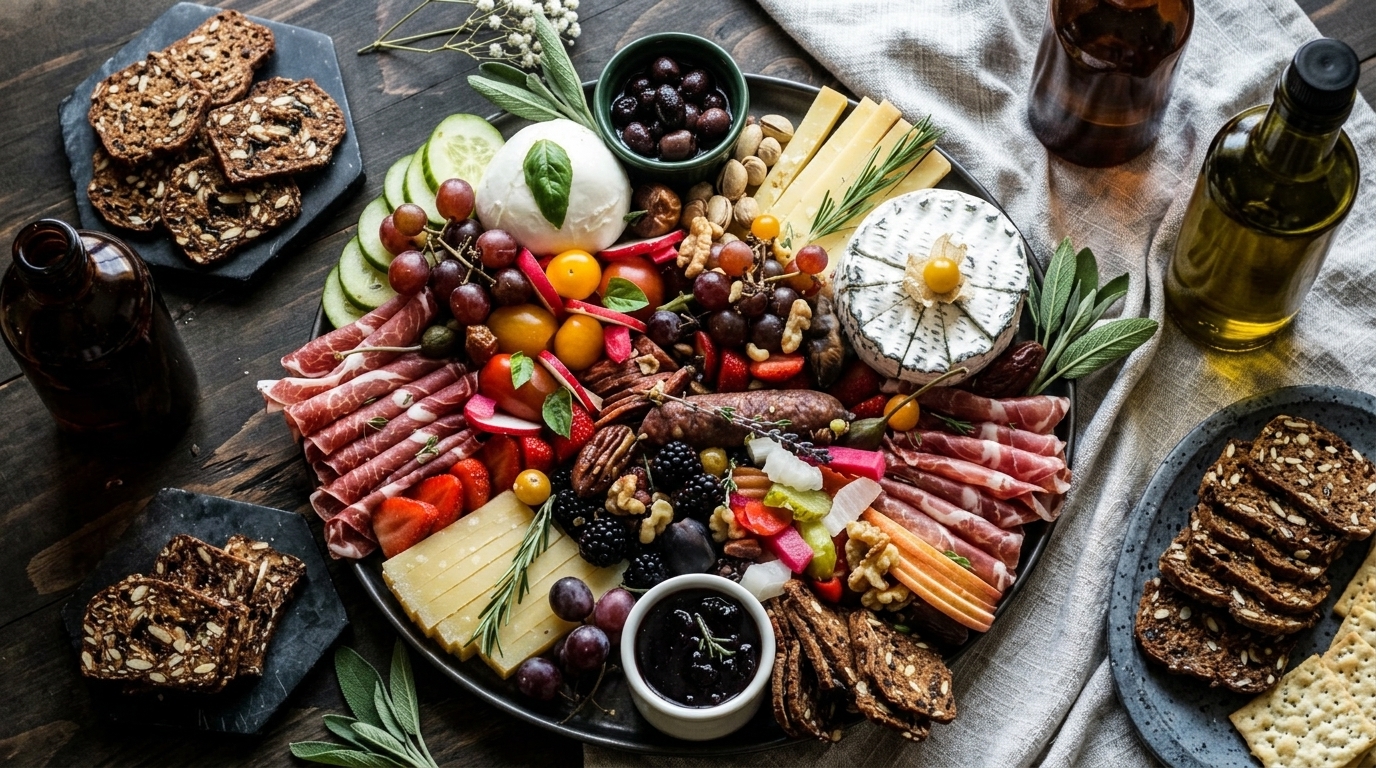
Target an overall food cost between twenty two and twenty six percent across each package. The centerpiece protein will naturally carry a higher cost percentage, often between thirty and thirty four percent, so kitchen margins must be recovered through high margin, scratch prepared starch and vegetable components. Incorporating batch roasted root vegetables, potato purees, and scratch stuffing recipes from our Thanksgiving Catering Sides guide balances the overall plate cost. Keep package menus fixed, and offer premium items such as artisanal pies, spiced cider gallons, or specialty charcuterie platters strictly as separate add ons that boost average order value without altering kitchen production workflows.
Turkey Economics: Whole Birds Versus Carved Roulades and Usable Meat Yields
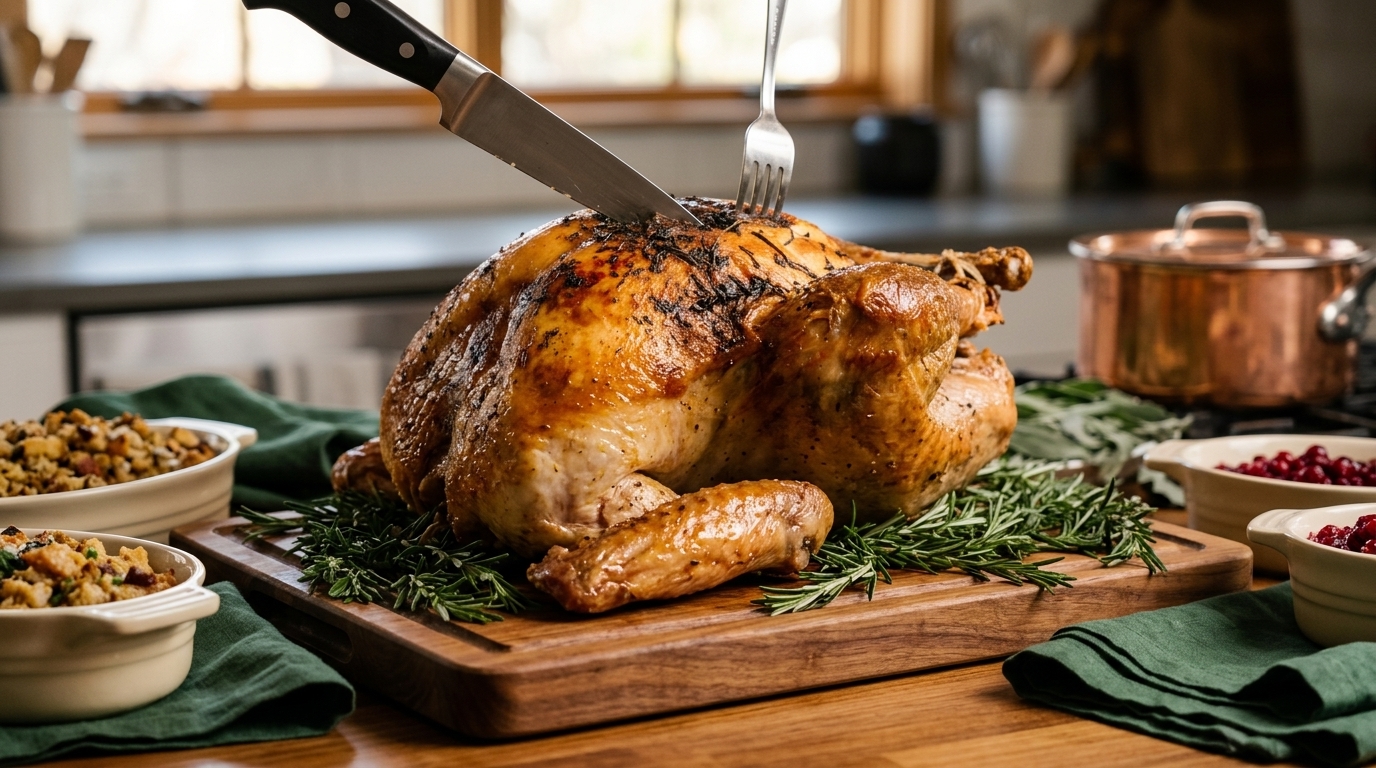
Protein calculations represent the greatest financial hazard in holiday catering. Many operators calculate costs based on raw poultry weight without accounting for shrinkage, bones, cartilage, and carving loss. A whole raw bone in turkey typically yields only forty five to fifty percent usable cooked meat once roasted and carved. If a kitchen purchases a twenty pound bird for seventy dollars, that bird will produce approximately nine to ten pounds of clean carved meat, which doubles the real cost per edible pound.
To protect kitchen profitability and eliminate oven bottlenecks, experienced commercial kitchens increasingly build Thanksgiving packages around roasted boneless turkey breast roulades or herb butter carved breasts, supported by braised dark meat confit. Boneless breasts offer usable yields exceeding eighty five percent, cook in roughly one third of the oven time required by a whole bird, and slice cleanly into uniform four ounce portions. Dark meat can be braised in hotel pans during off peak oven hours on the preceding shift. All turkey carcasses, wings, and neck bones are routed into a two stage simmer to produce rich scratch turkey stock for gravy, ensuring zero food waste across the primary protein purchase.
Preorder Timelines, Deposit Structures, and Production Scheduling
Running a successful Thanksgiving catering program requires establishing predictable boundaries around cash flow and ordering windows. Open holiday preorders in mid October and set a non negotiable order cutoff at least seven to ten business days prior to Thanksgiving. This firm deadline allows kitchen managers to place accurate wholesale poultry and produce orders without risking over ordering or scrambling for scarce holiday inventory. Require full prepayment or an eighty percent non refundable deposit upon booking, protecting working capital as outlined in our catering cash flow management guide.
Organize production across a disciplined three day schedule:
- Monday: Receive bulk poultry and produce deliveries, conduct inventory checks, start herb salt brines, and simmer large batches of poultry stock.
- Tuesday: Batch roast root vegetables, prepare stuffing pans, bake holiday pies, braise dark meat, and cool all batch components to below forty degrees Fahrenheit within four hours.
- Wednesday: Roast boneless breast roulades, chill and machine slice portions, assemble chilled family style foil pans, package cold sauces, and stage customer pickups or corporate luncheon deliveries.
- Thursday: Execute early morning pickup windows and scheduled residential delivery routes with verified packing manifests.
Cold Chain Packaging, Transport, and Foolproof Reheating Systems
The vast majority of Thanksgiving catering failures occur not in the commercial kitchen, but on the client table due to uneven reheating. Delivering holiday feasts piping hot is a massive liability, as hot food held in insulated cambros dries out roasted poultry, makes stuffing soggy, and risks entering the temperature danger zone during extended transit. The gold standard for commercial operators is a complete heat and serve program, where all menu items are chilled, portioned into heavy gauge oven safe foil pans with crimp lids, and held below forty degrees Fahrenheit until handover.
Provide a simple, printed reheating guide inside every package envelope. Specify exact residential oven temperatures, heating sequence, and estimated cook times, instructing clients to bring proteins and gravies to an internal temperature of one hundred sixty five degrees Fahrenheit. Advise customers to splash two tablespoons of provided scratch stock over sliced turkey breast before covering with foil to preserve moisture during oven warming. Use standardized pack lists verified against our daily restaurant waste log routine to ensure every side sauce, herb butter round, and reheating guide makes it into the final dispatch bag.
Frequently asked questions
What is the target food cost percentage for a commercial Thanksgiving catering package?
Operators should aim for an overall food cost between twenty two and twenty six percent. While turkey and specialty dairy items may run between thirty and thirty four percent, high margin starch items like potato purees, scratch stuffing, and root vegetable sides balance the combined package margin.
How much cooked turkey should caterers portion per guest?
Commercial kitchens typically plan for six to eight ounces of carved boneless turkey breast and dark meat per guest, or roughly one and a quarter to one and a half pounds of raw bone in bird weight per guest if roasting whole turkeys.
Why do commercial caterers prefer chilled heat and serve packages over hot drop off delivery?
Chilled heat and serve programs preserve meat moisture, prevent soggy sides, eliminate the risk of bacterial growth in warm transit, and allow kitchen teams to complete the bulk of cooking and packaging the day prior to the holiday.
When should commercial kitchens close their Thanksgiving catering order books?
Most successful operators close preorders seven to ten days before Thanksgiving. This ensures sufficient lead time to lock in wholesale poultry quantities, verify supplier delivery dates, and prevent costly rush fees or ingredient substitutions.
Conclusion
Thanksgiving represents one of the largest single revenue opportunities of the fourth quarter for restaurants and catering businesses. By shifting away from chaotic custom orders toward engineered feast packages, controlling real poultry yields with boneless cuts and scratch stocks, and implementing strict preorder cutoffs, commercial kitchens can generate reliable profits while preserving culinary quality.
Managing holiday preorder volume, ingredient purchasing lists, and client inquiries requires seamless operational coordination. Edesia helps commercial kitchens turn holiday catering menus into consolidated supplier shopping lists, track live walk in pantry stock, and manage customer communications across phone, email, and messaging. Visit https://edesia.catering to explore how streamlined purchasing and kitchen inventory tools protect your restaurant margins this holiday season.
Keep more of what your kitchen earns
Edesia helps you track inventory, reduce waste, compare suppliers, and plan purchases. Catering orders and customer replies are included, too.