Halloween Finger Food Catering: Menu Engineering, Batch Assembly, and Food Safety for High Margin Cocktail Events
Turn surging Halloween finger food demand into profitable catering events. Learn batch assembly workflows, portion cost controls, and food safety standards.
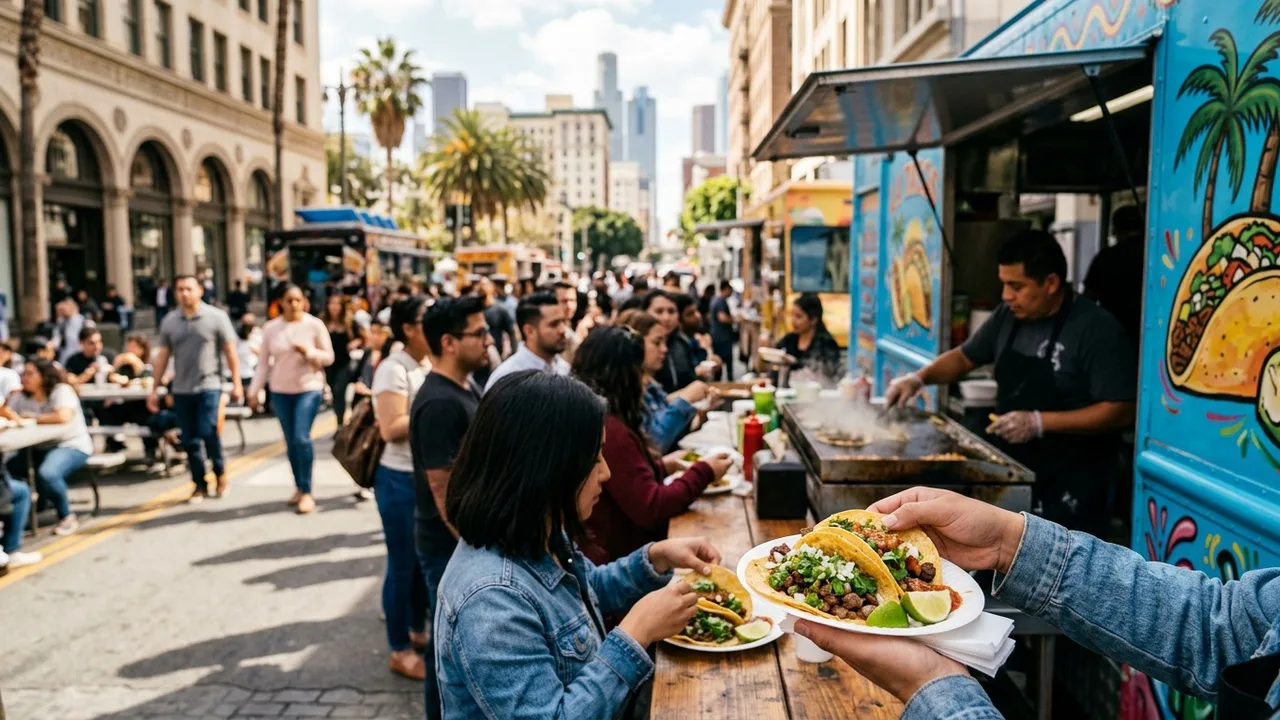
Photo by Haim Charbit on Unsplash. Modified with AI as an illustrative image.
October brings an immediate wave of seasonal catering inquiries for corporate mixers, private cocktail parties, and autumn celebrations. According to official Pinterest search data, consumer and event interest in Halloween finger food ideas climbed 500 percent month over month and 50 percent week over week as hosts plan festive gatherings. For independent restaurants, caterers, and food truck operators, this demand represents an exceptional revenue opportunity. Cocktail receptions command premium per head pricing with lower equipment overhead than seated banquets.
However, executing finger food catering at commercial scale carries hidden operational hazards. When kitchens attempt consumer novelty recipes from social media, prep labor explodes. Line cooks find themselves spending three minutes hand carving pastry or piping intricate designs onto individual bites, destroying kitchen margins. Furthermore, passed hors d oeuvres and stationary party platters operate right in the temperature danger zone, creating serious food safety liabilities if holding procedures fail.
Profitable cocktail catering requires deliberate menu engineering, structured batch assembly stations, and strict temperature controls. By focusing on sophisticated seasonal ingredients that offer natural drama, commercial kitchens can deliver stunning party menus while keeping food costs below twenty percent and assembly times under eight seconds per piece.
Menu Engineering for Cocktail Receptions: Dramatic Presentation Without Assembly Bottlenecks
The biggest trap in seasonal finger food catering is confusing consumer hobby cooking with professional commercial production. Social media showcases intricate novelty appetizers that take several minutes of delicate hand manipulation per bite. In a catering kitchen producing 600 pieces for a Friday evening corporate mixer, that level of labor creates an immediate production bottleneck that drains profitability.
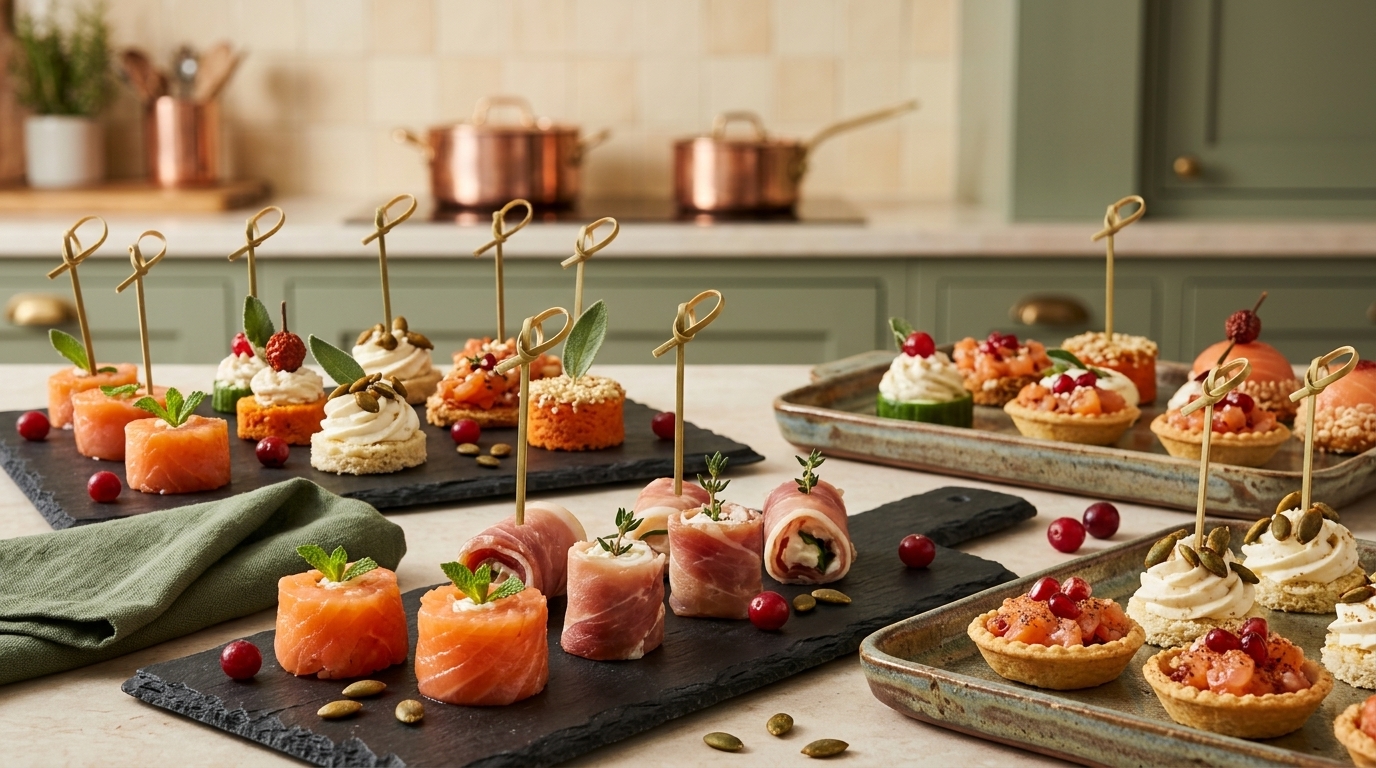
Professional operators achieve visual impact through color contrast, texture, and elevated seasonal ingredients rather than novelty crafting. You can create dark, dramatic autumn aesthetics using natural ingredients such as blackberries, black garlic glaze, squid ink crostini, mission figs, cured prosciutto, and bright orange roasted squash or pomegranate seeds. These elements communicate festive elegance while allowing line cooks to assemble each piece in a single, fluid motion.
Portion planning is equally vital for protecting food margins. For a standard two hour cocktail reception held before dinner, plan for five to seven pieces per guest. For a heavy evening cocktail party that replaces dinner, plan for ten to fourteen pieces per guest distributed across four to six distinct menu selections. Keep individual bite sizes between 0.75 ounces and 1.25 ounces. If pieces are too large, food costs escalate and guests struggle to eat comfortably while holding drinks. If pieces are too small, guests perceive poor value. For further strategies on structuring seasonal party volume, review our Fall Party Catering Prep Guide.
Assembly Line Mise en Place: Batch Workflows and Texture Preservation
Cocktail party finger foods require disciplined station ergonomics. Commercial kitchens that assemble appetizers piece by piece directly onto service trays quickly fall behind during rush windows. Instead, successful kitchens organize assembly into distinct sub recipes prepared twenty four hours in advance, followed by rapid assembly line plating on service day.
To maximize throughput, implement a sheet pan grid system. Line full size sheet pans with parchment paper and stage fifty to eighty bases, such as crostini, tartlet shells, or cucumber rounds, in orderly rows. Pre batch fillings, such as savory pumpkin mousse, whipped feta, or herbed ricotta, into heavy duty disposable piping bags fitted with wide star tips. A cook can pipe sixty uniform portions in less than two minutes, achieving perfect portion consistency without measuring spoons.
Texture management determines whether your finger foods impress guests or arrive soggy. Never combine wet fillings with moisture sensitive bases until the final service window. If executing drop off catering, pack crisp elements like crostini and crackers in airtight containers with desiccant pads, and provide pre filled piping bags or chilled garnish tubs for quick on site assembly. For full service events, schedule final garnishing, such as microgreens, toasted pumpkin seeds, or flake salt, right before trays leave the staging kitchen. For more workflow tips, consult our Catering Run of Show Guide.
Food Safety Standards and Holding Temperature Protocols
Finger foods present unique public health challenges because they sit exposed to ambient room air on buffet platters or circulating trays. Under the Food and Drug Administration Food Code, perishable food held in the danger zone between 41 degrees and 135 degrees Fahrenheit must follow strict time controls. Commercial operators must train service staff on time as a public health control protocols to eliminate foodborne illness risks.
For cold finger foods held without active refrigeration, the standard four hour rule applies only if food begins at 41 degrees Fahrenheit or below and never exceeds 70 degrees Fahrenheit during service. If temperatures exceed 70 degrees, the safe window drops to two hours. For passed appetizers containing seafood, dairy, or soft cheeses, kitchen managers should never keep a service platter in circulation for more than thirty minutes. Instead, hold reserve platters inside mobile refrigerated cambros or walk in coolers, swapping in fresh platters as trays empty.
Hot finger foods, such as glazed meatballs, pork belly skewers, or warm pastry bites, must maintain an internal temperature of at least 135 degrees Fahrenheit throughout service. When providing drop off catering where chafing dishes are unavailable, clearly label every delivery container with a prominent serve by timestamp. Instruct the client in writing to discard any unrefrigerated perishable items after two hours. For guidance on handling transport delays and timing adjustments, read our guide on Handling Last Minute Changes.
Ingredient Costing, Labor Accounting, and Package Profitability
Pricing finger food catering requires looking past raw food costs. Many operators make the mistake of calculating only ingredient expenses while ignoring the substantial hand labor required to assemble hundreds of individual cocktail bites. An appetizer with 60 cents in raw ingredients that demands ninety seconds of skilled labor to assemble is significantly more costly to produce than an item with 95 cents in ingredients that takes five seconds to prepare.
Target an overall food cost between eighteen and twenty two percent across your appetizer tier. To maintain this target, build menu balance using a tiering strategy. Pair one or two luxury protein bites, like prosciutto wrapped melon or beef tartare crostini, with high margin foundation items such as wild mushroom tarts, roasted butternut squash skewers, or spiced chickpea fritters. This approach delivers a luxurious guest experience while maintaining exceptional gross margin.
Standardize cocktail packages into fixed tier options rather than quoting custom menus from scratch for every inquiry. Offering packages such as a three bite afternoon mixer, a six bite classic reception, or a ten bite luxury celebration simplifies ordering for clients and stabilizes prep routines for your brigade. To track actual margin performance across your catering calendar, reference our breakdown on Catering Event Profitability and implement a Daily Restaurant Waste Log Routine to capture kitchen scrap losses.
Frequently asked questions
How many finger food pieces should caterers plan per guest for cocktail events?
For a two hour cocktail reception held before dinner, caterers generally plan five to seven pieces per person across three to four menu choices. For an evening cocktail party where finger foods replace dinner, plan ten to fourteen pieces per person across five to six distinct selections. Keep portion weights around one ounce per bite to balance satisfaction and food cost.
How do commercial kitchens keep passed finger foods crisp during transport and holding?
Keep moisture sensitive bases separate from wet fillings until the final staging window. Pack crostini, tart shells, and crackers in airtight containers with moisture absorbing pads. Transport fillings in chilled piping bags and assemble on sheet pans right before service, applying delicate microgreens and flake salt as the final step.
What are the food safety time limits for unrefrigerated finger food platters?
Under commercial food safety standards, cold perishable finger foods can be held without temperature control for up to four hours if removed from refrigeration at 41 degrees Fahrenheit or below and kept under 70 degrees. If ambient temperatures exceed 70 degrees, the limit drops to two hours. Discard any remaining food once the time threshold expires.
How does Edesia support catering kitchens managing seasonal appetizer menus?
Edesia translates event guest counts and appetizer menus into consolidated ingredient shopping lists, tracks walk in stock levels, and monitors wholesale supplier prices. This automated workflow eliminates guesswork in purchasing, minimizes ingredient spoilage, and protects event profit margins throughout the autumn catering season.
Conclusion
Autumn cocktail receptions and Halloween celebrations provide a prime commercial runway into the busy holiday catering season. By treating finger food catering as a disciplined production system, operators can capture high margin event revenue without overwhelming kitchen staff. Engineer menus around rapid batch assembly, maintain strict temperature holding logs, and standardize pricing packages that account for both food cost and line labor.
Edesia helps commercial kitchens and caterers master event operations with ease. With automated ingredient shopping lists generated directly from your event menus, walk in inventory tracking, and direct local supplier price comparisons, Edesia eliminates over purchasing and protects your profits across every catering contract. Explore how Edesia streamlines kitchen operations at edesia.catering.
Keep more of what your kitchen earns
Edesia helps you track inventory, reduce waste, compare suppliers, and plan purchases. Catering orders and customer replies are included, too.