Holiday Party Catering: How Commercial Kitchens Build High Margin Menus, Batch Stations, and Year End Event Operations
Discover how commercial kitchens engineer high margin holiday party catering menus, organize batch prep stations, control food costs, and manage year end events.
Photo by Jed Owen on Unsplash.
The final two months of the calendar year present commercial kitchens and catering teams with their greatest seasonal revenue window. Corporate gatherings, department holiday parties, client appreciation mixers, and festive private celebrations arrive in rapid succession from early November through January. However, higher top line booking volume frequently conceals severe kitchen strain. When kitchen teams accept custom client requests without structured production systems, food costs climb, skilled prep labor dissolves into chaotic overtime, and oven bottlenecks cause missed delivery windows.
Building a dependable holiday catering program requires shifting from reactive order taking to engineered menu production. Successful commercial kitchens focus on modular banquet menus, predictable protein yields, shared autumn pantry items, and strict ordering policies. By locking in advance deposits, standardizing portioning rules, and coordinating transport holding schedules, operators protect twenty to twenty five percent plate costs while delivering exceptional festive feasts. This guide details the operational roadmap commercial kitchens need to maximize profit and kitchen sanity throughout the holiday party rush.
Engineering the Holiday Catering Menu: Tiered Packages and Core Protein Economics
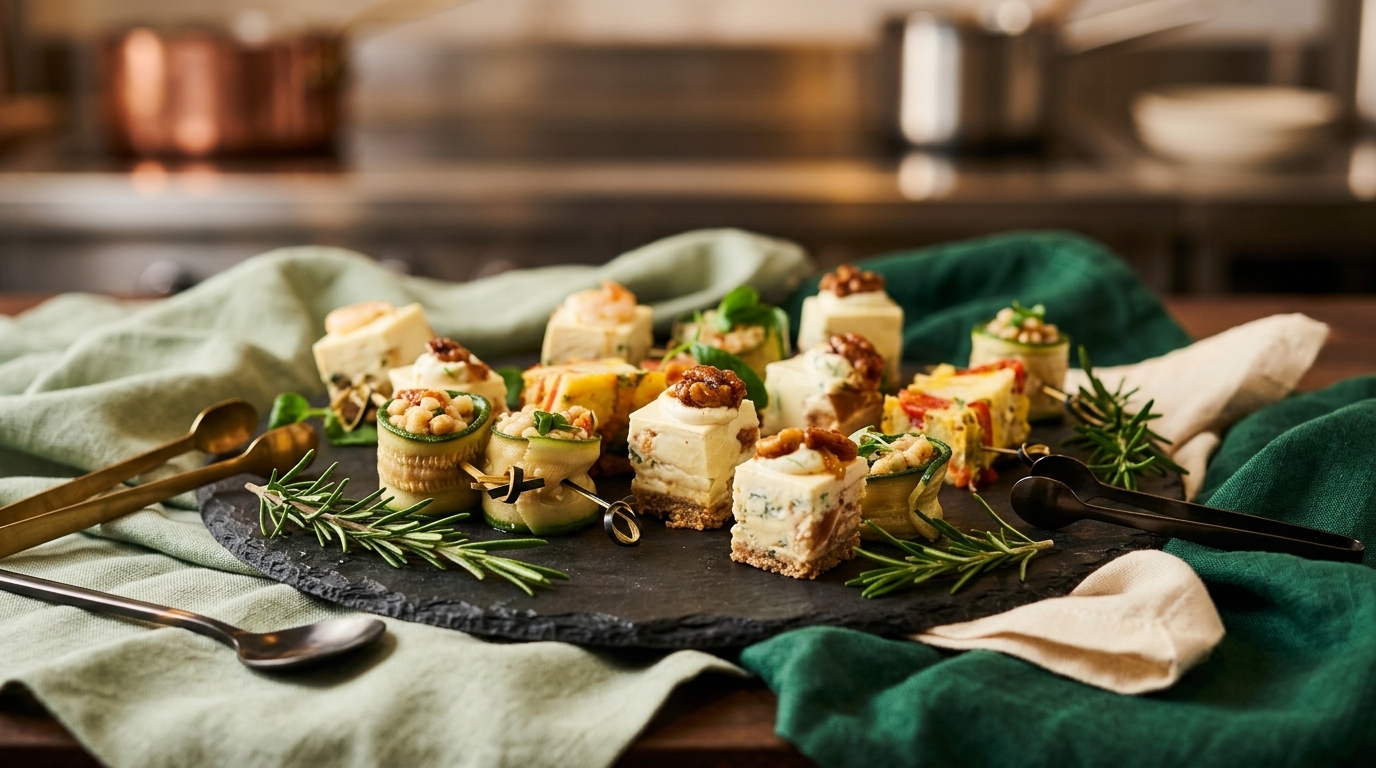
A profitable holiday party catering program begins by establishing tight tiered packages rather than offering endless open choices. Offering three standardized package levels such as a classic festive buffet, an elevated carving board feast, and a cocktail reception passed bites collection allows operators to capture varied corporate budgets while funneling kitchen prep into uniform assembly workflows.
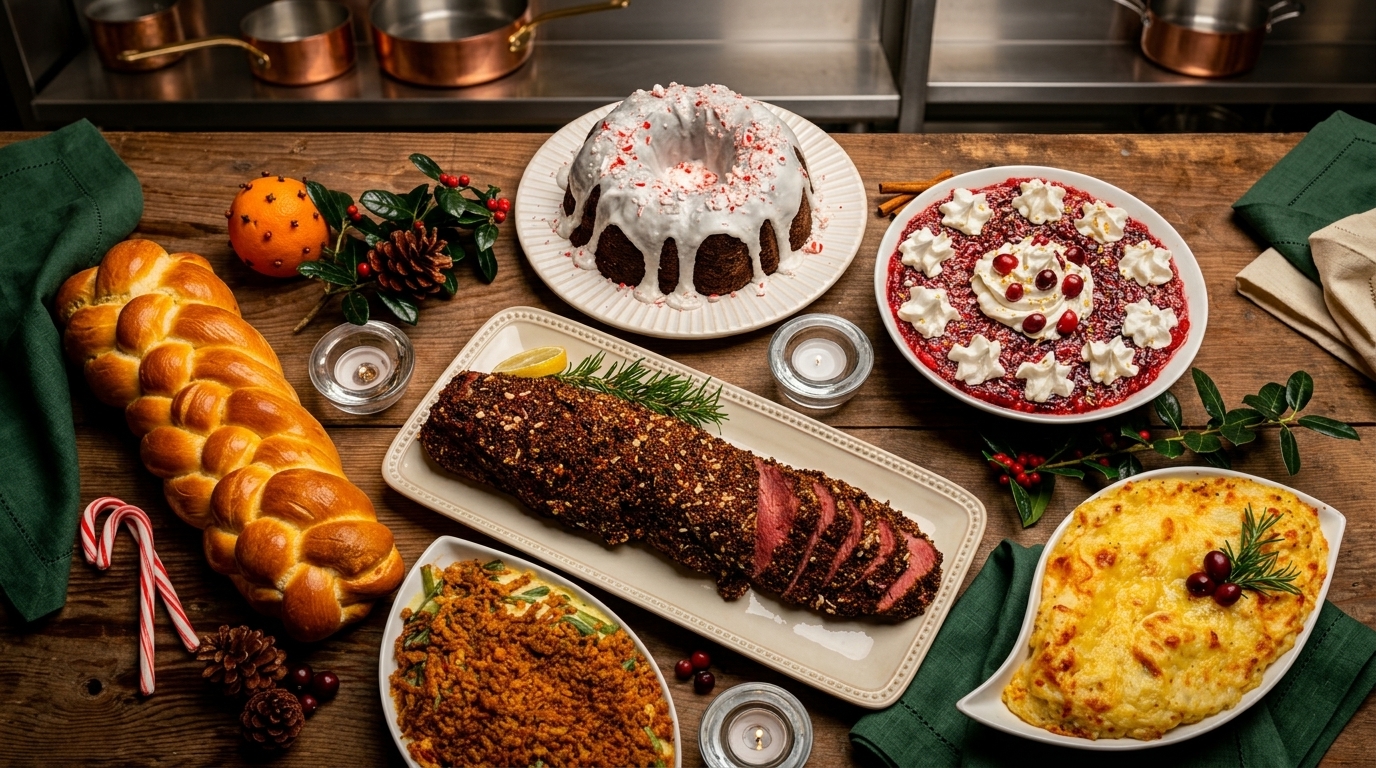
Protein selection dictates event margin. Prime cuts like whole roasted tenderloin or rib roast command impressive per plate pricing, yet raw trimming loss, shrink during cooking, and uneven station carving can quickly erode margins. Kitchen managers should calculate true net yield after roasting and resting. For example, a whole peeled tenderloin commonly yields seventy to seventy five percent usable cooked portion weight. To protect profitability, pair high cost carving proteins with high yield crowd favorites such as rosemary roasted turkey breast, slow braised holiday brisket, or cider glazed heritage pork loin.
Balancing raw food costs also requires deliberate starch and produce architecture. Deeply caramelized roasted winter root vegetables, rich potato gratin with aged gruyere, and savory wild mushroom bread pudding deliver luxurious textures at a food cost well below fifteen percent. Operators who cross reference foundational menus with existing guides like the fall luncheon catering menu guide and corporate work meals guide can easily share foundational ingredients across daytime deliveries and evening banquets. Standardize protein portions to six ounces for dinner buffets and four ounces for multi protein spreads to keep costs consistent across every booked date.
Modular Batch Assembly and Par Cooking Systems
The single greatest operational hazard during peak holiday party season is kitchen bottlenecking during the final hour before event departure. When hot lines attempt to roast meats, bake casseroles, and dress fresh salads simultaneously, execution breaks down. The solution lies in modular batch prep and par cooking schedules executed twenty four to forty eight hours prior to service.
Organize kitchen prep into three distinct categories: cold prep foundation, hot batch base, and final assembly finish.
-
Cold prep foundations include herb rubs, compound butters, brines, compound vinaigrettes, and holiday dessert components. These elements keep refrigerated for several days without flavor loss.
-
Hot batch bases encompass items that benefit from resting or par baking. Braised meats taste richer when cooled in their cooking liquor and reheated on event day. Starch casseroles such as potato gratins can be baked to ninety percent doneness, rapidly chilled under strict temperature monitoring, and given a final golden crust finish right before transport packing.
-
Final assembly finish should be limited to simple rapid actions. Slicing warm rested proteins, ladling hot pan reductions, tossing sturdy seasonal greens with dressing, and garnishing platters with fresh pomegranate arils and fried sage leaves must take mere minutes per order.
Commercial kitchens should maintain visual batch sheets at every prep station, detailing batch multipliers and pan allocations. Reviewing operational resources like small caterer workflow efficiency tips reinforces how dedicated assembly zones prevent cross contamination and eliminate unnecessary steps on busy production mornings.
Temperature Maintenance and Transport Safety for Q4 Events
Maintaining strict food safety and culinary quality during transport is paramount for holiday party success. November and December drop off catering orders often travel through severe winter traffic or sit in corporate conference rooms before guests serve themselves. A failure in temperature maintenance compromises guest safety and ruins texture.
Food safety regulations mandate keeping hot foods at 135 degrees Fahrenheit or higher, while cold foods must remain at 41 degrees Fahrenheit or below. When cooking large batches ahead of time, operators must adhere strictly to the two stage cooling standard: cooling hot foods from 135 degrees down to 70 degrees within two hours, and down to 41 degrees or lower within an additional four hours. Commercial blast chillers or shallow two inch metal hotel pans with ice baths ensure rapid heat dissipation without risking ambient temperature spikes inside walk in refrigerators.
For hot transport, preheat insulated cambros or thermal delivery carriers using hot water pans for twenty minutes prior to loading. Pack hot food pans tightly with secure foil covers and locking lids to minimize internal air space. For chilled drop off orders, provide corporate clients with explicit written reheating instructions printed on water resistant labels placed directly on pan lids. Specify oven temperatures, expected reheat times, and required internal temperatures measured with a probe thermometer. To learn more about structuring service timelines for off premise events, consult the catering run of show explained guide.
Deposit Policies, Cutoff Windows, and Margin Protection
Corporate clients frequently postpone holiday party decisions until late autumn, creating sudden spikes in last minute inquiries. Without firm commercial boundaries, caterers risk buying costly perishable inventory for orders that reduce headcount or cancel unexpectedly. Protecting holiday margins requires disciplined booking terms and automated customer inquiry handling.
Implement a nonrefundable fifty percent deposit at contract signing to secure the event date on the kitchen calendar. Require the final guest count and remaining balance payment no later than ten business days before the event date. This cutoff window aligns with commercial supplier purchasing lead times, allowing procurement teams to lock in volume pricing on poultry, beef, dairy, and seasonal produce without surplus purchasing.
Establish clear minimum guest guarantees and minimum spend thresholds for peak December dates, particularly Thursday, Friday, and Saturday evenings. If a corporate planner attempts to lower attendee numbers within the ten day window, enforce the contractual minimum spend by converting unused budget into premium appetizer platters, packaged holiday cookie boxes, or bottled specialty beverages. For tracking inventory purchasing patterns and eliminating ingredient waste across simultaneous catering orders, modern kitchen tools like Edesia streamline supplier purchasing and turn incoming menus into precise shopping lists.
Frequently asked questions
What is the optimal food cost percentage for holiday catering menus?
Commercial caterers should target an overall food cost between twenty two and twenty six percent across holiday packages. Balancing premium proteins like beef tenderloin with high margin seasonal root vegetables, gratins, and scratch made breads preserves this target margin.
How far in advance should commercial kitchens set holiday catering booking cutoffs?
Establish a firm final guest count and balance payment deadline ten business days prior to the event date. This window provides sufficient lead time to order specialty proteins and produce from commercial suppliers without risking costly emergency deliveries or food waste.
How should kitchens handle transport for drop off holiday buffets?
Prewarm insulated carriers with hot water pans before packing food held at or above 140 degrees Fahrenheit. For cold drop off orders that clients will reheat on site, provide clear printed reheating directions with exact target internal temperatures on every pan lid.
What are the most profitable side dishes for holiday catering buffets?
Starch and roasted vegetable dishes such as potato dauphinoise gratin, roasted winter squash with sage and brown butter, and savory wild mushroom stuffing deliver rich festive flavor while keeping raw ingredient costs under fifteen percent.
Conclusion
Navigating the Q4 holiday catering rush does not require burning out your culinary team or gambling on food margins. By designing tiered menus centered on predictable yields, utilizing par cooking and modular batch stations, enforcing strict temperature transport protocols, and locking in firm preorder cutoff dates, your kitchen can convert seasonal demand into sustainable profitability.
As you plan your upcoming holiday catering calendar, take control of your kitchen purchasing and inventory management. Visit Edesia to discover how smart inventory management, real time recipe costing, and automated catering order workflows help commercial kitchens spend less and run smoother kitchens every single service.
Keep more of what your kitchen earns
Edesia helps you track inventory, reduce waste, compare suppliers, and plan purchases. Catering orders and customer replies are included, too.