Rainy Day Meals: How Commercial Kitchens Build High Margin Comfort Food Menus, Weather Triggered Prep, and Delivery Packaging Systems
Learn how commercial kitchens turn rainy day comfort food demand into profit with batch braises, weather triggered prep, and heat retaining delivery packaging.
Photo by Laura Ohlman on Unsplash.
A sudden autumn storm or torrential downpour can instantly disrupt a commercial kitchen. Dine in dining rooms empty out, foot traffic disappears, and third party delivery tablets chime continuously with orders for warm, restorative food. Pinterest search data reveals that consumer interest in rainy day meals surged 200 percent month over month and 50 percent week over week, reflecting an immediate appetite for hearty comfort foods whenever the weather turns grey. For independent restaurants and commercial caterers, however, foul weather creates operational chaos if prep stations are caught off guard. Kitchens that rely on static daily prep pars risk severe food waste from unsold dining room perishables, while simultaneously facing stockouts of high demand comfort staples. Turning rainy days into consistent profit centers requires three disciplined operating pillars: engineering comfort menus with shared ingredient foundations, implementing weather triggered dynamic prep pars, and deploying thermal packaging standards that preserve crust, sauce viscosity, and temperature during extended delivery transit. Kitchen management software like Edesia helps operators link real time ingredient costs, forecast inventory needs, and adjust production schedules before bad weather impacts the bottom line.
Engineering High Margin Rainy Day Comfort Menus with Shared Foundations
When foul weather strikes, guest psychology shifts toward comforting, nostalgic dishes like slow simmered braises, rich pot pies, creamy pastas, and hearty stews. The challenge for commercial operators is capturing this surge without expanding prep complexity or ballooning raw inventory. High performance kitchens solve this by engineering rainy day specials around cross utilized base ingredients that already exist in the walk in cooler.
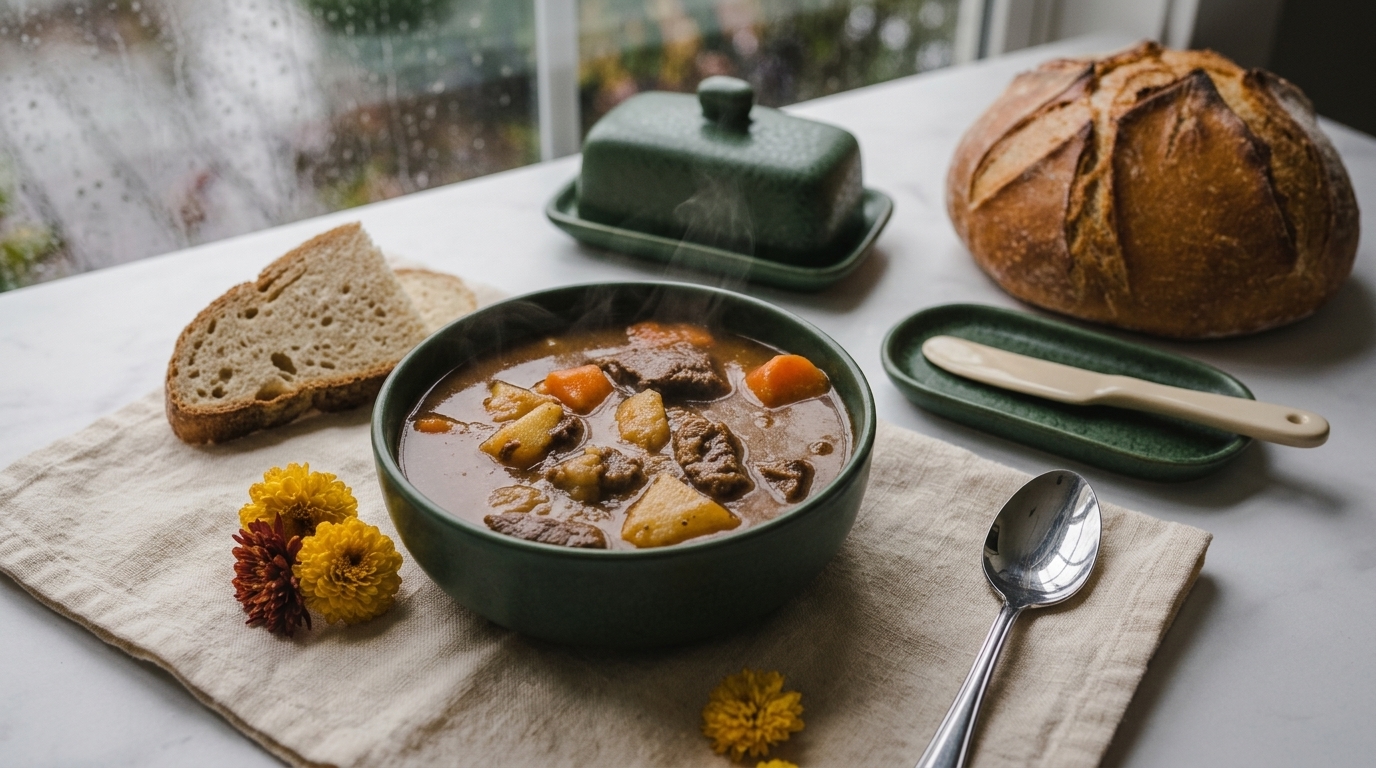
Consider a braised beef foundation. A kitchen can brown secondary cuts such as chuck roll or beef shank and slow simmer them in a rich mirepoix and tomato stock base. This single scratch preparation anchors multiple rainy day menu offerings. It serves as a hearty bowl of beef stew paired with rustic sourdough bread, a rich filling for individual cottage pies topped with piped mashed potatoes, or a savory ragu tossed with wide pappardelle ribbons. Similarly, an aromatic roasted vegetable veloute functions as a standalone autumnal soup, a rich braising liquid for chicken thighs, or a base for baked mac and cheese gratins.
By keeping the foundation batch cooked and neutral until final pickup, food cost percentages remain tightly controlled between twenty and twenty four percent. As explored in our guide to comfort food menu engineering, using shared bases dramatically reduces kitchen prep time and mitigates waste if an incoming storm clears earlier than forecasted.
Dynamic Prep Pars and Weather Triggered Production Schedules
The biggest profit leak during inclement weather is preparing for an average Tuesday when reality brings twenty percent fewer dine in guests and forty percent more delivery tickets. Kitchen leaders must replace rigid static prep sheets with weather triggered production tiers.
A practical system uses three predefined weather tiers: Fair, Moderate Precipitation, and Severe Storm. On fair weather days, prep par levels prioritize quick turnaround dining room items such as sauteed proteins, delicate salad greens, and plate garnishes. When forecasts indicate heavy rain or temperature drops exceeding fifteen degrees, the opening line cook shifts forty percent of prep labor toward long holding comfort staples. Soup warmers are brought to temperature early, braise portions are prepackaged into single serving deli containers, and cold pantry prep is throttled back to prevent unused greens from turning to compost.
Linking prep adjustments to a disciplined waste monitoring protocol is essential. Operators who track discarded trim and spoiled perishables using a daily restaurant waste log routine can quickly see the financial penalty of over prepping fresh garnishes on rainy shifts. With Edesia, chefs can update prep targets based on scheduled delivery volumes, ensuring that every batch of comfort stew or broth matches immediate sales velocity rather than wishful thinking.
Delivery Packaging Workflows That Protect Food Temperature and Texture
A guest ordering comfort food on a chilly, rain drenched evening expects their meal to arrive piping hot and texturally satisfying. Unfortunately, standard delivery containers often ruin good kitchen work during a thirty minute drive. Soups leak through flimsy lids, crispy bread turns soggy inside closed plastic boxes, and delicate sauces break when exposed to thermal shock.
Protecting off premise quality requires a dedicated thermal packaging standard. Stews, curries, and braises must be packed in heavy duty, leak resistant polypropylene containers with tight sealing perimeter lids. To prevent condensation from turning crusty sourdough or croutons into mush, bread items should be wrapped in breathable parchment sleeves and packed completely separate from hot liquids. For layered dishes like pot pies or baked pastas, micro vented cardboard containers allow excess steam to escape while retaining core temperatures above one hundred and forty degrees Fahrenheit.
Kitchen assembly lines should also enforce a two step staging protocol during rainy rushes. Cold additions like fresh herbs, sour cream dollops, or grated cheese must be packaged in two ounce portion cups and placed in an exterior pouch rather than sitting directly against hot bowls. This ensures the guest enjoys the vibrant freshness and textural contrast intended by the chef.
Safe Batch Cooling, Reheating, and Food Safety Controls
Comfort food operations rely heavily on large batch kettle cooking. Commercial kitchens that produce thirty gallons of stew or chili at a time must maintain strict compliance with food safety cooling regulations to prevent bacterial proliferation.
According to standard health regulations, cooked food must be cooled from one hundred and thirty five degrees Fahrenheit down to seventy degrees within two hours, and then from seventy degrees down to forty one degrees within an additional four hours. Leaving a deep stockpot of thick beef stew on a prep counter to cool naturally guarantees a health department violation and risks catastrophic foodborne illness.
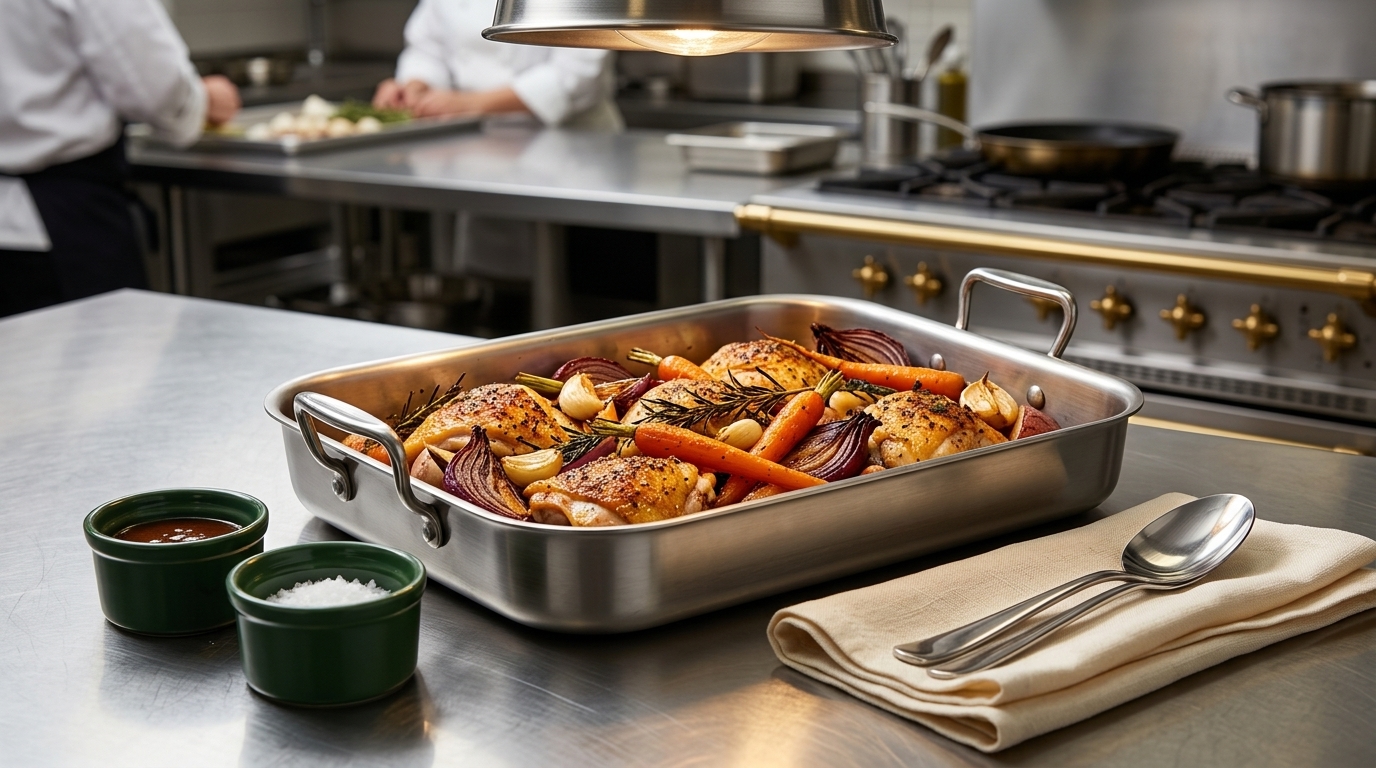
Commercial kitchens should implement shallow hotel pan chilling, dividing large batches into pans no deeper than two inches. Alternatively, sanitized stainless steel cooling paddles filled with ice can be stirred directly through hot soups and stews to accelerate temperature reduction. When reheating portions for rainy day service, foods must be brought rapidly to at least one hundred and sixty five degrees Fahrenheit for fifteen seconds before transferring to commercial steam tables held continuously at one hundred and thirty five degrees or higher. For detailed cooling timelines and yield recovery calculations, review our commercial kitchen guide on fall soup batch production and food cost controls.
Marketing Rainy Day Bundles and Preorder Comfort Specials
Capturing high margin rainy day volume requires proactive guest communication before the rain begins falling. Successful independent operators monitor seventy two hour meteorological forecasts and launch targeted digital marketing pushes twelve hours ahead of major storm fronts.
A high converting promotional tactic is the Rainy Day Family Feast bundle. Instead of selling individual bowls of soup or stew, kitchens can package four portions of braised beef stew, a whole crusty artisan sourdough boule, a side of roasted root vegetables, and a shareable dessert into a single set price bundle. Family bundles command higher average order values, simplify station ticket assembly during peak dinner rushes, and provide predictable volume for prep cooks.
Digital ordering platforms and social media channels should feature comforting visual cues and clear calls to action highlighting warm pickup options. Pairing these bundles with automated customer communication tools allows restaurants to answer catering inquiries, confirm pickup windows, and manage preorder deposits without tying up front of house staff during chaotic stormy services.
Frequently asked questions
How do rainy days affect restaurant customer demand and operating costs?
Inclement weather typically decreases dine in covers by fifteen to thirty percent while increasing off premise delivery orders by twenty to fifty percent. Without dynamic prep planning, kitchens suffer from unsold perishable prep, higher third party commission expenses, and potential stockouts of popular comfort food items.
What are the best comfort food menu items for delivery during bad weather?
Braised beef short ribs, hearty vegetable stews, rich curries, cottage pies, and baked pasta dishes hold heat exceptionally well during transit. These items benefit from resting in sauce and maintain appealing flavor profiles even after extended delivery times, unlike fragile fried foods or delicate sauteed cuts.
How should a restaurant adjust daily prep sheets when rain is forecasted?
Operators should establish tiered prep pars. Shift forty percent of prep labor toward batch cooked soups, stews, and braises while reducing par levels on dining room salads, delicate garnishes, and quick saute proteins. Bring holding equipment up to temperature before the rush to ensure fast ticket fulfillment.
How do commercial kitchens cool large batches of stew safely?
Large batches should never cool in deep stockpots. Divide hot stew into two inch shallow metal hotel pans and place them on wire racks in the walk in cooler, or use ice filled cooling wands to drop temperatures from one hundred and thirty five degrees to seventy degrees within two hours, reaching forty one degrees within six hours total.
Conclusion
Rainy days do not have to mean sluggish revenue and excessive kitchen waste. By engineering comfort food menus around versatile shared foundations, establishing weather triggered prep pars, enforcing professional delivery packaging workflows, and upholding rigorous food safety standards, commercial kitchens can transform foul weather into one of their most profitable operating conditions. Modern kitchen management tools eliminate the guesswork of inventory ordering and prep planning. Visit Edesia to see how our software helps commercial kitchens streamline supplier purchasing, track recipe food costs, and build resilient, profitable food businesses in every season.
Keep more of what your kitchen earns
Edesia helps you track inventory, reduce waste, compare suppliers, and plan purchases. Catering orders and customer replies are included, too.