Restaurant Wedding Buyouts: How Commercial Kitchens Price Minimums, Engineer Event Menus, and Protect Service Margins
Learn how independent restaurants and caterers price wedding buyouts, calculate food and beverage minimums, engineer event menus, and protect kitchen margins.
Photo by Nadia Valko on Unsplash.
A restaurant wedding buyout is one of the most profitable opportunities an independent food business can secure. When a couple books your entire dining room for an intimate celebration, your kitchen gains a guaranteed guest count, a fixed menu, and a single consolidated check. For many operators, a single weekend buyout generates between ten thousand and forty thousand dollars in top line revenue, equal to multiple nights of standard dinner service.
However, executing a private restaurant wedding buyout carries substantial operational risk. If you miscalculate your baseline revenue, you risk surrendering valuable regular covers for an event that yields smaller net profits. If your event menu introduces too many custom items, your kitchen line can grind to a halt trying to fire seventy plates simultaneously. Unclear beverage packages, unplanned overtime, and sluggish turnover can rapidly erode your bottom line.
Turning restaurant wedding interest into consistent profit requires a structured operational system. By setting defensible food and beverage minimums, engineering focused menus built around your existing prep rhythms, and organizing tight floor logistics, your restaurant can deliver memorable hospitality while protecting your margins.
Calculating Defensible Food and Beverage Minimums
The primary financial failure point in restaurant buyout weddings is setting arbitrary flat rental fees rather than data backed food and beverage minimums. A wedding buyout displaces your regular dining room guests. Therefore, your minimum spend must guarantee more gross profit than regular service would deliver on that specific day and shift.
To establish your baseline buyout threshold, review your historical sales data for that day of the week across the prior two years. Calculate your average guest count, average spend per head, and total revenue for both lunch and dinner services. Add a twenty percent premium to account for the operational displacement of loyal regulars, private event coordination labor, and lost retail walk in revenue. For example, if your dining room normally produces twelve thousand dollars in gross sales on a typical Saturday evening, your food and beverage minimum for a Saturday buyout should start at fourteen thousand five hundred dollars.
Separate your financial contract into three distinct buckets. The first bucket is the guaranteed food and beverage minimum, which applies purely to food and drinks consumed during the event. The second bucket is the administrative coordinator fee, typically twelve to twenty percent, which offsets event planning labor, linen rentals, and specialized table staging. The third bucket is the mandatory gratuity and local sales tax. Clear separation protects your kitchen from clients attempting to apply room rental credits toward their bar bill.
Operators should also implement tiered seasonal and daypart pricing. Peak season dates between May and October command higher minimums than winter dates. Similarly, offering a Sunday daytime buyout window gives budget conscious couples an accessible option while generating substantial cash flow during normally quiet restaurant hours. To review how cash flow mechanics influence seasonal event planning, explore our Catering Cash Flow Management Guide.
Engineering High Margin Wedding Menus for Synchronous Service
A successful wedding menu is designed for banquet kitchen efficiency, not standard restaurant line cooking. During normal dinner service, orders trickle in over three to four hours in batches of two, four, or six covers. During a restaurant buyout wedding, your kitchen must fire and plate sixty to one hundred covers in a tight twenty minute window. Attempting to execute an ala carte menu during a buyout guarantees cold food, stressed cooks, and extended table ticket delays.
Limit the wedding reception to a structured three course fixed menu with no more than two predetermined entree selections plus one vegetarian or vegan alternative. Require the couple to provide exact entree counts at least fourteen days before the event. This allows your culinary team to build an exact ingredient shopping list, purchase proteins in bulk volume, and prep items during normal prep shifts rather than frantically cutting steaks on Saturday afternoon.
Anchor the menu around resilient proteins and holding techniques. Braised beef short ribs, confit poultry thighs, roasted salmon fillets, and pan seared pork tenderloin hold moisture far better in warming cabinets than delicate quick sear cuts like filet mignon or tuna steaks. Pair proteins with batch roasted root vegetables, potato puree, or polenta that can be held at safe temperatures in hotel pans and scooped swiftly during line assembly.
Family style dining is another exceptional model for restaurant wedding buyouts. Presenting platters of roasted meats, seasonal salads, and shared sides down the center of long banquet tables creates a warm communal ambiance for guests while slashing plating labor by more than fifty percent. For guidance on plate costing and calculating exact ingredient portion weights, use our Restaurant Food Cost Calculator and review our tutorial on How to Work Out the Food Cost Percentage of a Dish.
Beverage Packages, Bar Flow, and Glassware Logistics
Beverage sales often represent over forty percent of total wedding buyout revenue, yet beverage stations frequently create the worst operational bottlenecks. When eighty wedding guests arrive simultaneously after a ceremony, a single restaurant bar cannot handle eighty individual custom cocktail orders without forming a chaotic crowd that spills into dining aisles.
Establish structured open bar packages priced on a per guest, per hour basis rather than running an unpredictable open tab. A standard package featuring house white and red wines, two craft beers on draft, and two signature prebatched cocktails keeps drink lines moving briskly. Prebatching signature drinks in five gallon beverage dispensers or draft kegs allows your bartenders to pour a craft drink in under five seconds, eliminating shaker delays during cocktail hour.
Audit your glassware inventory before contracting any large buyout. A wedding reception requires at least three to four glasses per guest across champagne flutes, wine goblets, water tumblers, and highball cocktail glasses. A party of eighty guests can easily cycle through over three hundred glasses in the first two hours. If your restaurant dishwasher cycle takes three minutes and your back of house bar back is overwhelmed, clean glassware will run dry before dinner starts.
Rent supplementary commercial glassware racks for high volume wedding dates. Having four extra racks of polished wine glasses staged near the bar eliminates mid service glass washing emergencies and keeps your dining room looking elegant throughout the evening.
Floor Turnover Schedules, Sound Controls, and Front of House Execution
Flawless front of house timing separates profitable buyouts from chaotic operations. Every buyout contract must specify explicit load in, event start, dinner service, last call, and breakdown windows. Standard restaurant buyouts should allow a minimum of two hours between closing regular lunch service and welcoming wedding guests.
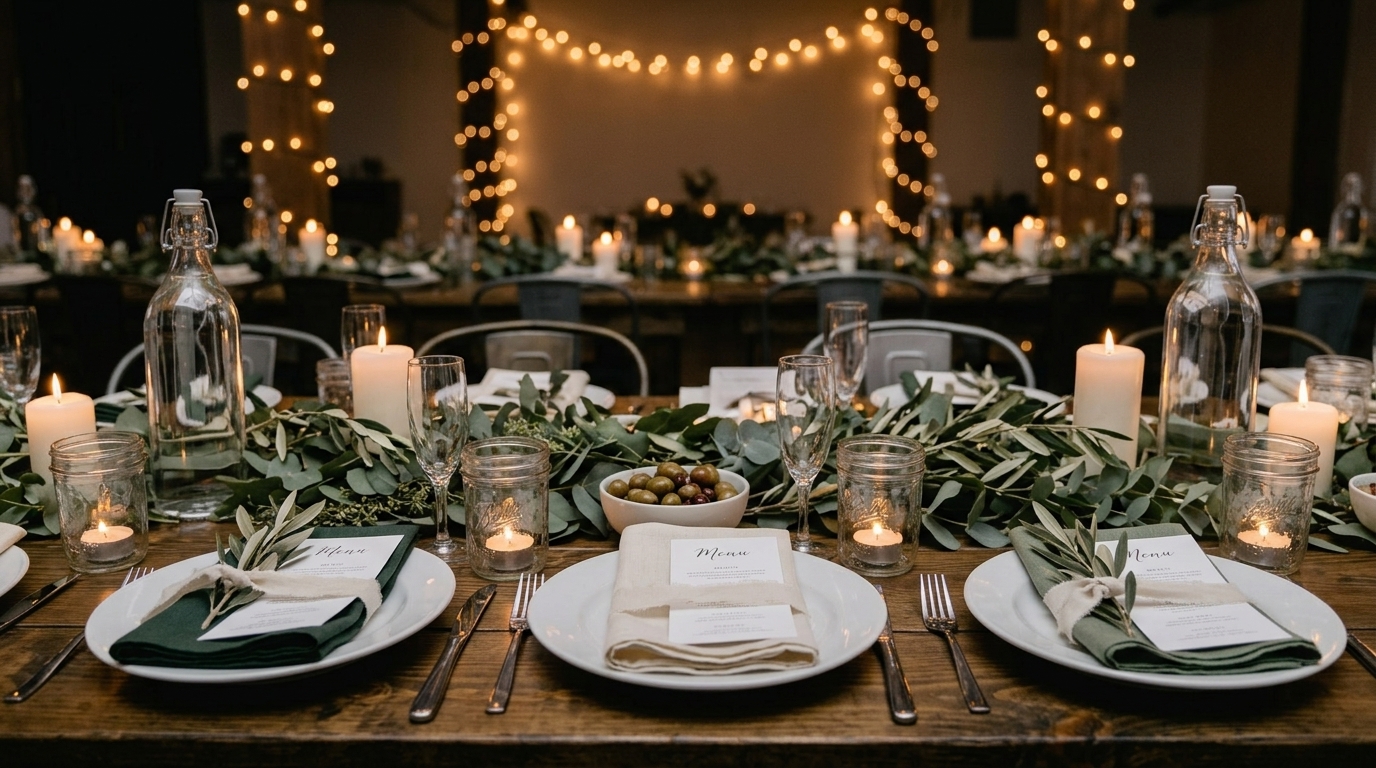
Use this two hour turnover window to execute a synchronized floor reset. The service staff rearranges dining tables into long communal banquet formations, steams table linens, sets place cards and menus, and places candle votives. Kitchen staff uses this quiet window to wipe down stations, organize plated dinner garnishes, and load preheated plates into hot boxes.
Coordinate with wedding planners and florists regarding load in rules. Outside vendors often request early access to build floral arches or install photo booths. Mandate in your contract that vendor setup cannot interrupt regular meal service or kitchen prep. If a wedding party requires morning setup access while lunch service is active, charge an hourly facility access fee to cover dedicated staffing and coordination oversight.
Sound levels and entertainment requirements also demand clear operational boundaries. Live wedding bands and mobile disc jockeys require dedicated electrical circuits that can trip kitchen breakers if shared with refrigeration or induction warmers. Designate a specific power drop for entertainers and test sound levels with local municipal decibel ordinances in mind. For more insights on organizing large group meal service and traffic flow, read our operational breakdown on Buffet Set Up for Commercial Catering.
Frequently asked questions
How do I determine if a wedding buyout makes financial sense for my restaurant?
Compare your historical gross sales for that day of the week against your proposed buyout price. Your food and beverage minimum should exceed your average regular sales by at least fifteen to twenty percent to compensate for displaced regulars, administrative event planning, and dedicated staff staging.
Should I offer plated dinner service or family style platters for a wedding buyout?
Family style service is generally superior for dining rooms hosting between forty and one hundred guests. It creates an intimate shared experience for diners, reduces kitchen plating labor by half, and speeds up service times significantly compared to individual plated courses.
How should a restaurant structure payment terms and deposits for private wedding buyouts?
Collect a fifty percent non refundable deposit upon contract signing to lock the date on your calendar. Require the remaining fifty percent balance along with finalized guest counts and dietary requirements fourteen days prior to the event date. This guarantees full payment before you purchase bulk ingredients or schedule event staff.
What is the best way to handle dietary restrictions during a fixed wedding banquet?
Require the host to submit all guest dietary restrictions two weeks before the event. Standardize on one versatile vegan and gluten free alternative dish that utilizes existing pantry ingredients so your kitchen does not need to execute multiple bespoke off menu orders during service.
Conclusion
Restaurant wedding buyouts represent an extraordinary avenue for independent hospitality operators to showcase culinary talent, capture high value event revenue, and build lasting neighborhood loyalty. Success requires treating each buyout as a disciplined catering project rather than an extended dinner service. By establishing rigorous food and beverage minimums, engineering menus optimized for synchronized banquet plating, and enforcing tight turnover timelines, your restaurant can consistently achieve gross profit margins above seventy percent on private events.
Managing multiple private event inquiries, creating detailed client proposals, costing recipes down to the penny, and converting banquet menus into accurate vendor purchase orders can quickly overwhelm busy kitchen managers. Modern food businesses rely on specialized operational tools like Edesia to eliminate administrative clutter. Edesia helps commercial kitchens track live inventory, forecast ingredient needs from confirmed event orders, and control purchasing costs across every vendor. Explore how Edesia streamlines private event management and schedule your walkthrough today at Edesia Catering.
Try it on your own menu
Use the menu item contribution calculator to run your numbers in your browser. No signup required, and your data stays on your device.