Winter Meals for Commercial Kitchens: How to Engineer High Margin Braises, Root Vegetable Yields, and Batch Prep Systems
Learn how commercial kitchens engineer profitable winter meals with batch braising, root vegetable yield recovery, and safe cooling systems.
Photo by Jametlene Reskp on Unsplash.
As temperatures drop across the country, guest cravings shift decisively away from light summer salads and toward hearty, warming comfort food. For restaurant operators, caterers, and commercial kitchens, this seasonal changeover represents both a major revenue opportunity and a potential profitability trap. Tender summer produce prices climb, energy costs rise, and oven real estate becomes fiercely contested during peak service hours.
Recent data from the Pinterest Trends API confirms this shift in dining preferences. In the United States, searches for winter meals climbed 200 percent month over month entering November 2026, alongside a 20 percent week over week increase. Commercial kitchens that proactively plan for this demand can build highly lucrative winter menus. The secret lies in menu engineering: replacing volatile prime cuts with economical secondary braised cuts, maximizing root vegetable prep yields, and moving labor intensive simmering into structured off peak prep shifts. When executed properly, winter comfort menus can comfortably hold food costs between 24 and 28 percent while delivering memorable dining experiences.
The Economics of Winter Menu Engineering
Transitioning to a winter menu requires looking past recipe creativity and analyzing plate contribution margins. During winter, wholesale prices for imported warm weather produce like tomatoes, berries, and tender field greens surge. Operators who attempt to preserve late summer dishes through cold months watch their margins erode week by week.
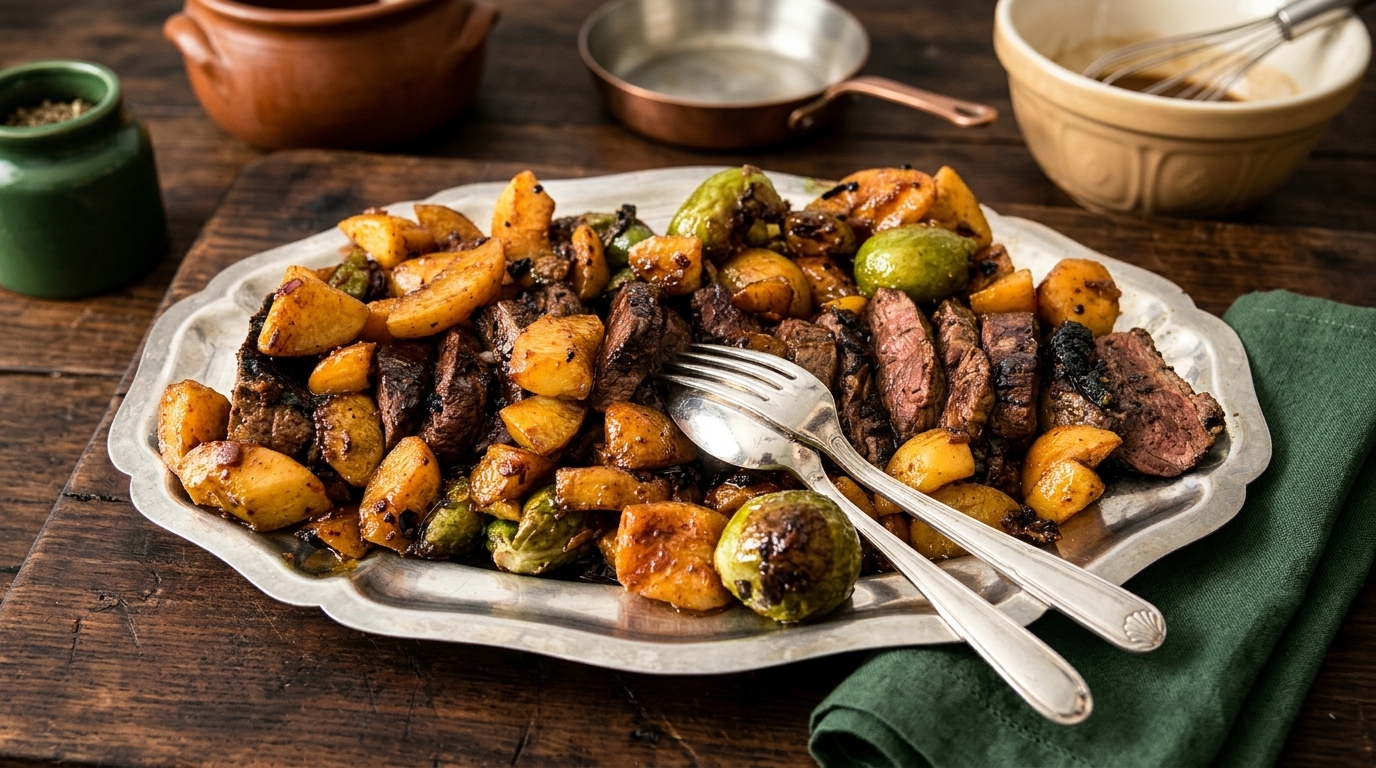
In contrast, classical winter culinary traditions were developed specifically around preservation, cellared root vegetables, and slow cooked secondary meats. A well engineered winter plate uses inexpensive base ingredients elevated through culinary technique. Secondary cuts like beef chuck flat, pork shank, and bone in chicken thighs cost forty to sixty percent less per pound than center of the plate steaks or loins. Pairing five to six ounces of a tender braised protein with seasonal roasted parsnips, rutabaga purée, and a glossy scratch reduction delivers substantial perceived value to guests while keeping food costs safely between 24 and 28 percent.
To maintain precision across your entire menu, calculate plate costs down to the ounce. Factor in usable trim yields and cooking shrinkage rather than raw purchasing weights. Operators looking to audit individual dish profitability can model portion margins using our free Restaurant Food Cost Calculator and review our detailed walkthrough on How to Work Out the Food Cost Percentage of a Dish.
Root Vegetable Prep Yields and Cross Utilization
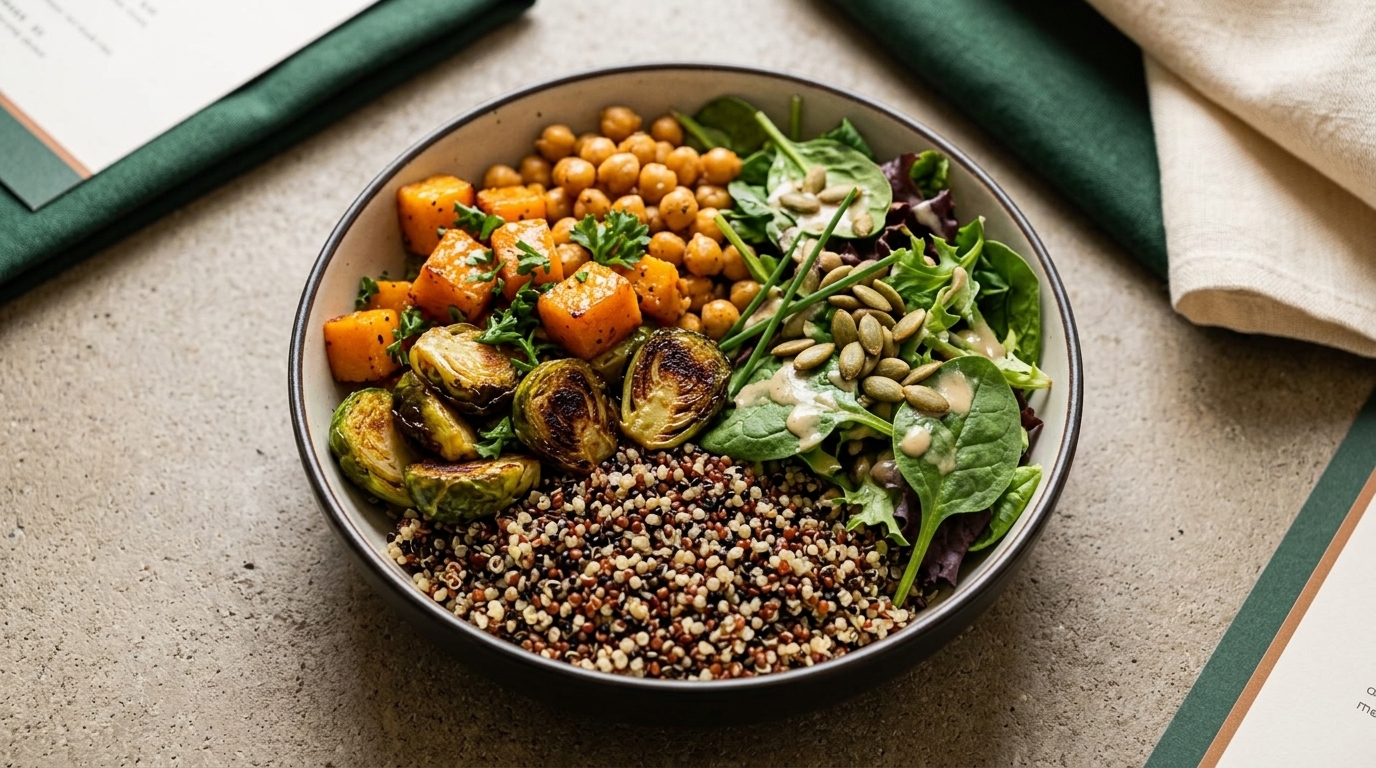
Root vegetables like carrots, parsnips, celery root, turnips, and winter squashes serve as the financial foundation of winter menus. They are hardy, store well in walk in refrigeration, and feature stable seasonal pricing. However, undisciplined prep practices often lead to twenty to thirty percent trim waste, quietly erasing their cost advantage.
To maximize vegetable prep yields, establish clear fabrication standards for line cooks. Train staff to use precision vegetable peelers rather than chef knives when removing outer skins. Instead of discarding peels, celery tops, and onion ends, collect clean vegetable trimmings into dedicated stock tubs. Simmering these scraps into foundational vegetable stocks or adding them to mirepoix for brown veal and beef stocks recovers value that would otherwise end up in the dumpster. If your kitchen does not yet track daily kitchen discards, read our guide on How to Set Up a Daily Restaurant Waste Log Routine to catch prep inefficiencies early.
Cross utilization is equally critical. Avoid prepping unique garnishes for every winter dish. A single fifty pound bag of organic carrots can be roasted in wedges for a braised beef entree, sliced into rounds for a hearty winter stew, and blended into a silky spiced carrot soup for the lunch menu. Using shared foundation vegetables across multiple stations accelerates kitchen inventory turnover and dramatically reduces walk in spoilage.
Standardized Batch Braising Systems for Commercial Kitchens
Braising is one of the most operationally efficient cooking techniques available to a commercial kitchen. Unlike à la minute sauté or grill items that require intense labor and stove space during peak service, braising takes place completely during quiet morning prep blocks or overnight holding cycles.
A standardized commercial braising system follows four reproducible steps:
-
High heat searing: Season the protein thoroughly and sear in large batches in a tilting skillet or heavy roasting pans until a deep, dark golden crust develops. This Maillard reaction provides the foundational color and savory depth for the finished sauce.
-
Aromatic mirepoix and deglazing: Sauté diced onions, carrots, and celery in the rendered fat until lightly caramelized. Deglaze the pan with dry wine or fortifying broth, scraping up all browned fond from the bottom of the vessel.
-
Low temperature convection braising: Submerge the protein roughly two thirds deep in hot stock and aromatics. Cover the pans tightly with parchment paper and a double layer of heavy aluminum foil to trap moisture. Transfer pans to a convection oven set at 275 degrees Fahrenheit. Slow, gentle cooking breaks down tough collagen into succulent gelatin without boiling or toughening the muscle fibers.
-
Liquid reduction and glaze fortification: Once the meat is fork tender, carefully transfer the protein to clean storage pans. Strain the braising liquid through a fine mesh chinois, defat the surface, and reduce the liquid in a steam kettle until it reaches a velvety nappe consistency. Storing the cooked meat separately from the sauce prevents the meat from falling apart during refrigeration and allows the line cook to glaze portions precisely to order. For related batch techniques, explore our walkthrough on Comfort Food Menu Engineering: How Commercial Kitchens Build High Margin Autumn Braises, Stews, and Scratch Classics.
Safe Two Stage Cooling and Line Reheating Workflows
Dense winter comfort items, including braised meats, thick bean stews, and potato or squash purées, present distinct food safety challenges. Because of their viscosity and density, these foods retain heat longer than clear broths, creating potential conditions for bacterial growth if cooled improperly.
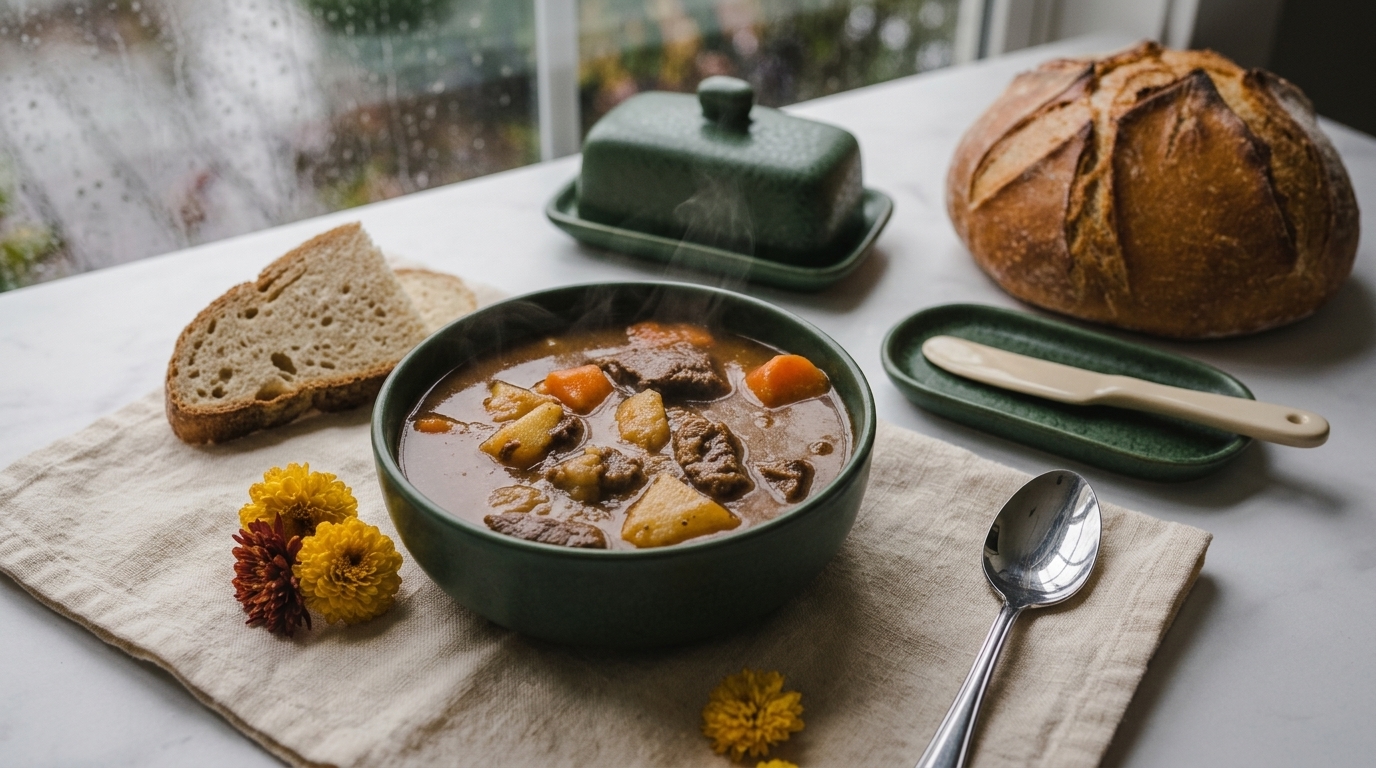
Under the FDA Food Code, commercial food businesses must adhere to strict two stage cooling protocols. Hot cooked food must be cooled from 135 degrees Fahrenheit down to 70 degrees Fahrenheit within two hours, and from 70 degrees Fahrenheit down to 41 degrees Fahrenheit or below within an additional four hours. Placing a deep five gallon stockpot of hot beef stew directly into a walk in cooler will insulate the core temperature, keeping food in the danger zone for hours and potentially warming surrounding refrigerated inventory.
To ensure rapid, compliant cooling in your kitchen:
-
Divide batches into shallow stainless steel hotel pans no more than two inches deep to maximize cooling surface area.
-
Immerse pans in an ice water bath within a clean prep sink, stirring frequently to release trapped steam.
-
Use sanitized hollow ice paddles to cool thick stews from the center outward.
-
Log internal temperatures with a calibrated digital thermocouple at thirty minute intervals until the 41 degree threshold is reached.
During service, never reheat braised items in a steam table well. Steam tables are designed to maintain hot holding temperatures, not to bring cold food rapidly to safe holding levels. Instead, bring individual portions to a vigorous simmer above 165 degrees Fahrenheit in a sauté pan on the hot line before plating or holding. For additional guidance on volume cooling safety, review our manual on Fall Soup Menu Engineering: Batch Production, Food Cost Controls, and Cooling Safety for Commercial Kitchens.
Packaging and Delivery Systems for Catering and Takeout
Winter meals are popular options for corporate drop off catering and takeout orders, but delivering hearty comfort food off site requires thoughtful packaging choices. Heavy sauces, steaming roasted starches, and braised proteins generate high internal humidity that can quickly turn crispy garnishes soggy and warp flimsy plastic containers.
Invest in rigid, vented mineral filled polypropylene containers for hot winter entrées. Vented lids allow excess steam to escape while retaining heat, preventing food from softening into an unappealing texture during thirty minute delivery drives. For catering drop offs, pack braised meats with just enough reduction to keep them moist, and provide supplementary sauce in separate sealed deli containers. This setup allows the client or event server to spoon fresh, glossy reduction over the meat immediately before serving.
Always preheat insulated transport carriers with hot water pans before loading catering orders. A preheated thermal carrier maintains food above the 135 degree Fahrenheit safety threshold for up to four hours without requiring electrical hookups at the destination venue. Providing simple, clear reheating instructions on printed pan tags ensures that your winter comfort food arrives at the table exactly as your culinary team intended.
Frequently asked questions
What is the ideal food cost percentage for commercial winter menus?
Target plate food cost for winter comfort menus should stay between 24 and 28 percent. Because winter dishes rely heavily on hearty root vegetables, starches, and slow cooked secondary cuts, operators can achieve strong gross margins while still delivering generous portion sizes that satisfy cold weather dining expectations.
How do commercial kitchens keep braised meats tender during line holding?
Avoid holding braised proteins submerged in boiling hot holding wells for hours, which causes muscle fibers to shred and dry out. Instead, chill portioned meat after braising, hold it cold, and reheat individual portions to order in a small sauté pan with hot braising reduction and stock.
Which secondary cuts work best for commercial batch braising?
Beef chuck roll, beef short ribs, bone in pork shoulder, pork collar, and bone in chicken thighs deliver exceptional tenderness and flavor when slow braised. These cuts feature abundant connective tissue and intramuscular collagen that converts to gelatin, providing rich body at a fraction of the cost of tenderloin or strip loins.
How do you cool thick winter stews and purées safely under commercial health codes?
Never place deep, dense five gallon stockpots directly into walk in refrigerators. Instead, divide thick stews and purées into shallow two inch stainless steel hotel pans to maximize surface area. Use sanitized ice cooling paddles to agitate the liquid, and monitor temperatures with calibrated digital thermometers to guarantee the food drops from 135 to 70 degrees Fahrenheit within two hours.
Conclusion
Engineering a successful winter menu requires commercial operators to balance comforting guest perceptions with strict kitchen economics. By building your cold weather menu around secondary braised cuts, standardized root vegetable cross utilization, and disciplined batch cooling workflows, your team can protect plate margins below 28 percent while eliminating dinner rush bottlenecks.
Modern software makes tracking these seasonal transitions straightforward. Edesia helps commercial kitchens, caterers, and restaurants turn winter menu recipes into precise purchasing lists, monitor usable ingredient yields, prevent walk in waste, and maintain real time inventory accuracy. If you are ready to spend less time on manual kitchen paperwork and build a more profitable winter operation, explore how Edesia streamlines commercial food management at https://edesia.catering.
Try it on your own menu
Use the menu item contribution calculator to run your numbers in your browser. No signup required, and your data stays on your device.