Potluck Food Ideas for Commercial Catering: How Kitchens Build High Margin Office Trays, Drop Off Packages, and Batch Systems
Discover how commercial caterers and kitchens turn potluck food demand into high margin catering sales with drop off trays, batch prep, and safe holding systems.
Photo by Rumman Amin on Unsplash.
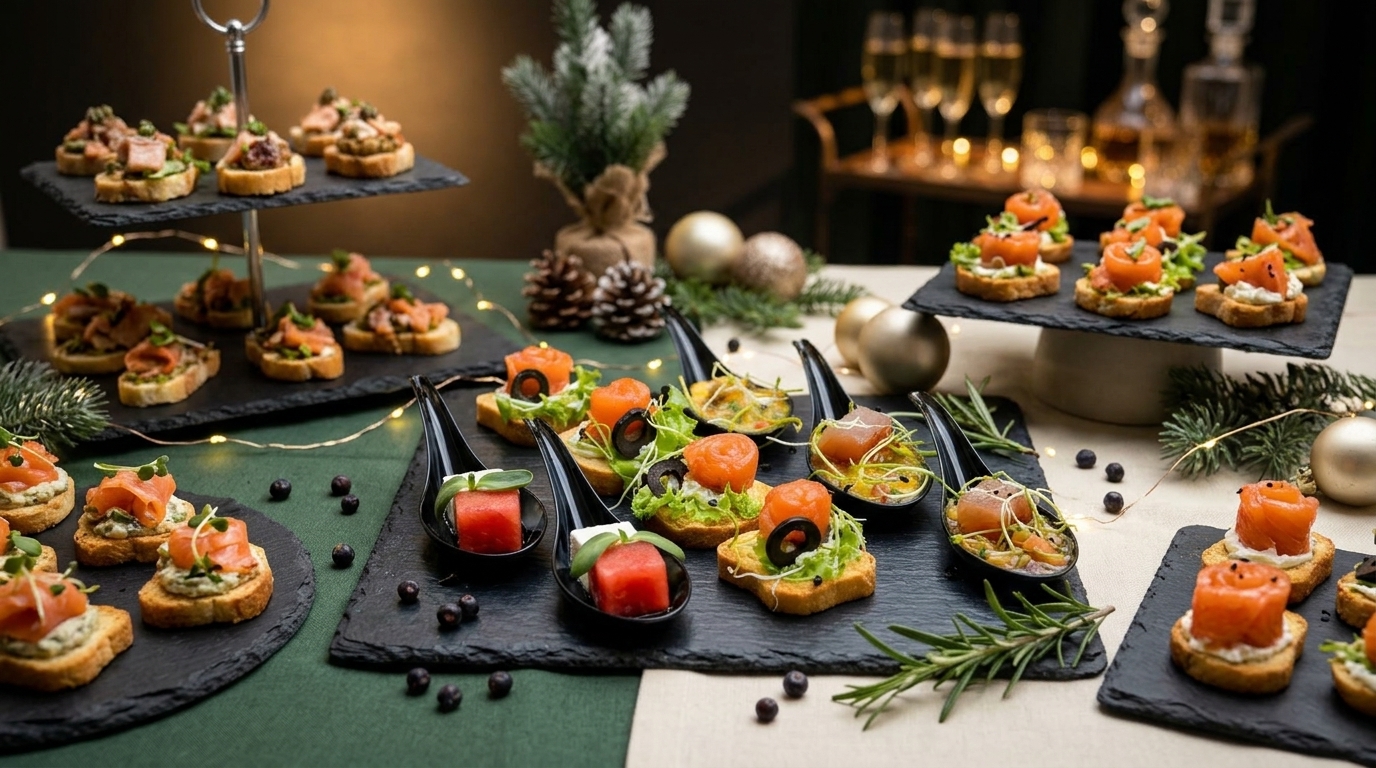
When offices, medical practices, schools, and community groups announce a holiday potluck, an unspoken reality emerges immediately. Most participants do not want to wake up early to bake casseroles, navigate morning commutes with hot roasting pans, or worry about whether home cooked dishes meet workplace food safety expectations. Instead, organizers and employees actively seek professional drop off trays, shareable half pans, and crowd pleasing staples from trusted local restaurants and caterers. On Pinterest, search interest for potluck food ideas surges every November, climbing to a normalized search index of 85 with 90 percent year over year growth.
For independent restaurants and commercial caterers, this seasonal rush represents an exceptionally profitable revenue channel. The key is recognizing that potluck catering differs fundamentally from full service banquets. Clients want modular, transport friendly half pans that hold temperature safely, serve neatly without professional waitstaff, and fit standard corporate reimbursement allowances. When engineered correctly with cross utilized bulk ingredients and streamlined batch assembly, drop off potluck packages deliver gross profit margins exceeding seventy percent while protecting everyday service line operations.
The Commercial Opportunity in Office Potlucks and Drop Off Trays
Every autumn, workplace teams organize potlucks to celebrate Thanksgiving, Friendsgiving, and end of year project milestones. However, traditional potlucks frequently suffer from coordination headaches. Organizers end up with ten bags of chips, three grocery store vegetable platters, and no hot centerpieces. Increasingly, office managers solve this imbalance by purchasing a hybrid potluck package. The company funds two or three hot catering pans from a local kitchen, while team members bring beverages, plates, and desserts.
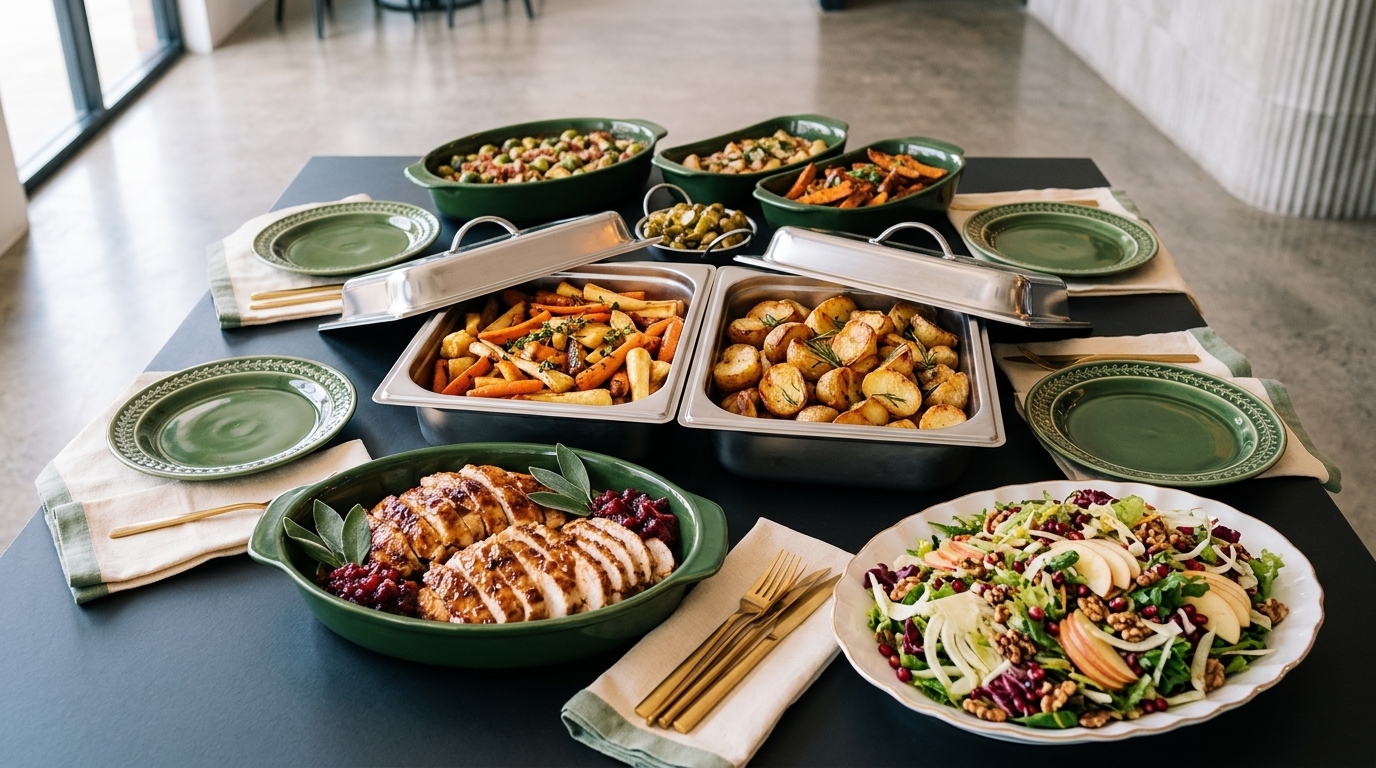
Independent food businesses that position designated potluck packages capture this corporate budget before competitors even notice the demand. By packaging crowd favorites into standard half size steam table pans, kitchens provide predictable portions that feed ten to twelve guests per pan. This structure simplifies ordering for the corporate buyer, who can mix and match a braised protein pan, a rich carbohydrate side, and an autumn salad bowl in under two minutes online. For the kitchen, half pan orders generate average ticket sizes between two hundred and four hundred dollars with zero on site staffing overhead.
To maximize booking conversions, publish fixed price bundle menus on your website and catering intake forms. Group offerings into clear tiers such as The Office Potluck Hero Bundle or The Team Gathering Feast. Include disposable serving tongs, sturdy compostable plates, and wire chafing racks with canned heat fuel as optional add on packages. If you want to check your plate margins before setting package prices, review our guide on how to work out the food cost percentage of a dish or test your recipe ingredients with the free restaurant food cost calculator.
Menu Engineering for High Margin Drop Off Trays
Engineering a winning potluck catering menu requires selecting dishes that travel exceptionally well, resist sogginess during transit, and utilize affordable bulk ingredients. Delicate plated items and fried appetizers degrade rapidly inside sealed catering boxes. The best potluck dishes rely on braised proteins, layered baked pastas, creamy gratins, and hearty grain salads that actually improve in flavor as they rest.
-
Foundation Proteins. Smoked pulled pork shoulder, slow braised chicken thighs in apple cider reduction, and carved herb roasted turkey breast provide excellent yield recovery and holding stability. A fifteen pound bone in pork shoulder yields approximately eight to nine pounds of cooked pulled pork, costing less than three dollars per portion while retailing at eight to ten dollars per serving when packaged with scratch slider buns and house barbecue sauce.
-
Crowd Pleasing Carbohydrates. Baked four cheese pasta, loaded Yukon Gold potato mash, and seasonal cornbread dressing represent the highest margin items in catering. Food costs on artisan macaroni and cheese hover around fourteen to eighteen percent when utilizing sharp cheddar trimmings and bulk elbow macaroni. These dishes hold heat effectively in insulated transport carriers and maintain a velvety texture without separating.
-
Vibrant Room Temperature Salads. Do not overlook ambient platters. Shaved Brussels sprout salads with dried cranberries, toasted pumpkin seeds, and cider vinaigrette require zero oven space at either the catering kitchen or the destination venue. Kale, roasted squash, and farro bowls can sit at room temperature for hours without wilting, creating visual abundance on the potluck table.
Cross utilizing ingredients across your drop off catering pans protects purchasing efficiency. For instance, roast a forty pound batch of butternut squash to supply both your harvest grain salad and your autumn pasta gratin. For deeper insight into building shared seasonal batch foundations, inspect our autumn buffet catering guide and our breakdown on Thanksgiving catering sides.
Batch Prep Scheduling and Kitchen Line Protection
The fatal mistake many independent restaurant kitchens make during the holiday season is allowing drop off catering orders to disrupt peak lunch service. A sudden ticket for four half pans of lasagna and two trays of roasted vegetables can freeze the hot line during an active 12:30 PM restaurant rush. Preventing this chaos requires strict batch prep scheduling and segregated catering inventory.
Schedule all hot potluck catering production during early morning prep shifts between 6:00 AM and 10:30 AM before the main restaurant line opens. Assembled half pans should be par cooked, covered with heavy duty foil, and staged in dedicated walk in shelving labeled specifically for catering. When delivery or customer pickup windows arrive, the kitchen simply transfers the preheated pans into insulated food pan carriers, such as Cambro or Carlisle units, which maintain safe hot holding temperatures above one hundred forty degrees Fahrenheit for up to four hours without active electrical power.
Establishing strict order lead times also protects kitchen capacity. Require a minimum forty eight hour advance notice for all catering pan orders, with credit card payment collected upon order confirmation. Locking orders two days ahead enables your culinary team to incorporate catering ingredient volumes into standard vendor orders without making emergency grocery runs. You can refine your kitchen station routines by consulting our small caterer workflow efficiency tips and our overview of holiday party catering operations.
Safe Transport Holding and Drop Off Customer Instructions
Food safety represents the most critical link in drop off catering. Once catering pans leave your commercial kitchen, client handling is largely beyond your direct control. Many office breakrooms lack warming drawers, commercial ovens, or trained kitchen staff. Your packaging and handover process must bridge this gap to guarantee that every guest enjoys a safe, delicious meal.
Every hot catering order leaving your facility should include a clearly printed, weather resistant reheating and holding card. This document should state the exact departure time, the internal temperature recorded at pickup, and explicit instructions for maintaining temperature. Advise clients to light chafing fuel cans thirty minutes before service and to keep foil lids tightly sealed until serving begins. For drop off packages requiring venue reheating, specify exact oven temperatures, expected warming times in minutes, and the target internal temperature of one hundred sixty five degrees Fahrenheit verified with a digital food thermometer.
Equally important is supplying the necessary hardware. Never assume the client owns serving utensils. Include color coded, commercial grade serving spoons and tongs with every pan. Providing complete, turn key drop off kits builds immense customer loyalty. When an administrative assistant realizes that your delivery arrived with serving utensils, labeled pans, allergen indicators, and chafing stand instructions, your kitchen becomes the permanent preferred caterer for every subsequent corporate gathering.
Frequently asked questions
What are the most profitable potluck food items for catering kitchens?
The most profitable potluck catering items are baked pastas, braised poultry thighs, artisan macaroni and cheese, and seasonal root vegetable gratins. These dishes utilize affordable bulk staples, achieve food costs below twenty percent, and hold moisture exceptionally well during hot transit.
How many people does a standard half steam table pan feed at a potluck?
A standard two and a half inch deep half steam table pan provides approximately ten to twelve hearty main dish portions, or fifteen to eighteen side dish portions when served alongside other potluck items.
How do commercial caterers keep drop off potluck pans hot without electricity?
Commercial kitchens use heavy duty insulated food pan carriers to transport hot pans directly from the oven. These carriers maintain safe food temperatures above one hundred forty degrees Fahrenheit for up to four hours using thermal retention alone.
How far in advance should restaurants require orders for catering pans?
Independent kitchens should enforce a strict forty eight hour advance notice requirement for drop off catering pans. This deadline ensures kitchen teams can consolidate ingredient purchasing and schedule morning batch prep without interrupting regular dining service.
What hardware should caterers include with drop off potluck orders?
Caterers should offer turn key kits including disposable wire chafing racks, twin two hour canned heat fuel canisters, heavy duty foil water pans, commercial serving tongs, and clearly printed holding instructions with allergen labels.
Conclusion
Capitalizing on the seasonal surge in potluck food searches does not require opening an entirely new catering company. By packaging your kitchen's most dependable comfort dishes into standardized half steam table pans, you create a convenient, professional solution for corporate teams and community organizers. This model delivers premium profit margins, predictable morning batch workflows, and zero front of house labor expenses.
To scale catering orders without drowning your kitchen management in spreadsheets, utilize Edesia. Edesia automates ingredient shopping lists from incoming catering orders, checks real time inventory levels before you purchase, and handles customer inquiries across phone, text, and email. Schedule an in person Edesia demo today to see how smart kitchen operations and automated purchasing defend your bottom line during the busiest catering months of the year.
Try it on your own menu
Use the menu item contribution calculator to run your numbers in your browser. No signup required, and your data stays on your device.