Soul Food Dinner Catering: How Commercial Kitchens Engineer Profitable Comfort Feasts, Calculate Cooked Yields, and Master Hot Holding
Learn how commercial kitchens engineer high margin soul food dinner catering. Master vegetable cooked yields, stable mac and cheese holding, and feast packaging.
Photo by Stephen McFadden on Unsplash.
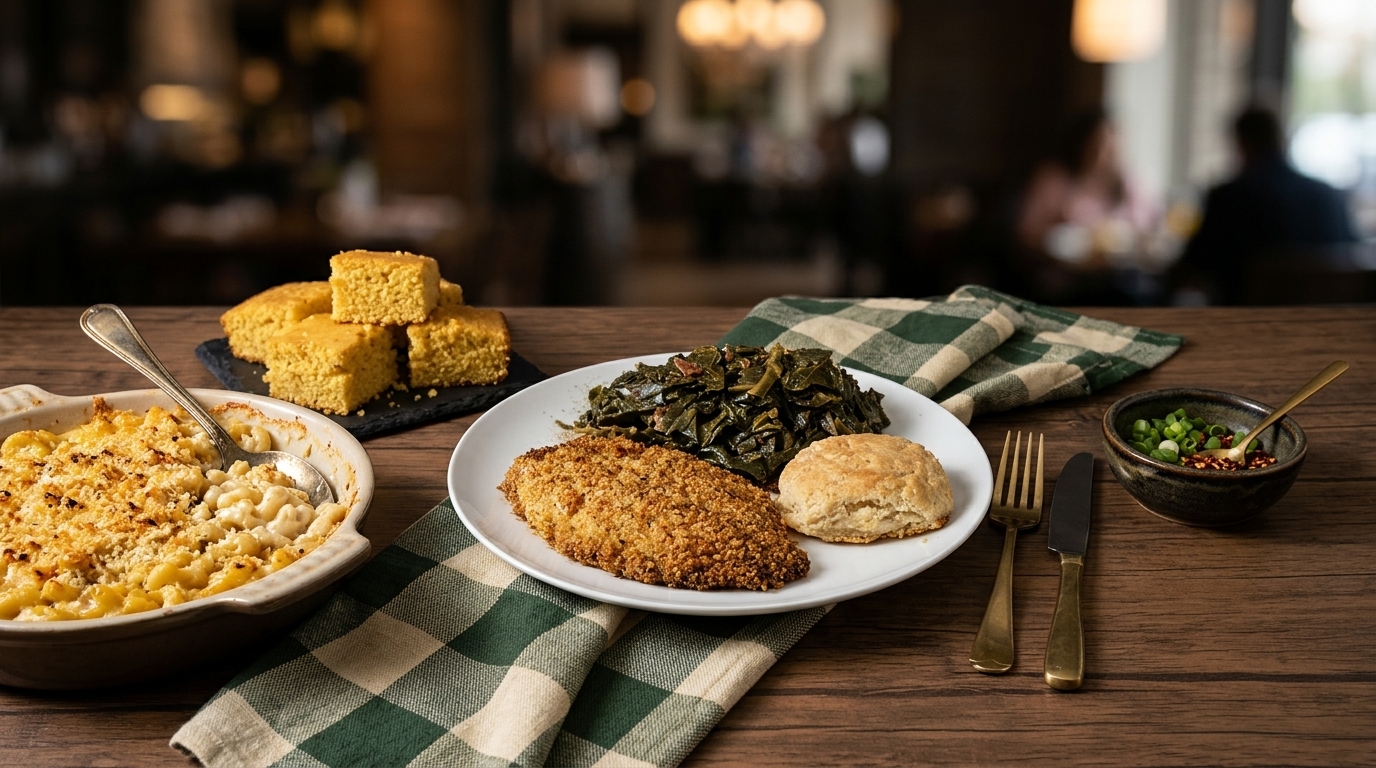
Soul food dinner searches are surging across the country, showing a one hundred percent monthly increase on Pinterest as operators head toward peak holiday gatherings and corporate winter celebrations. For commercial kitchens and caterers, hearty comfort feasts represent one of the most lucrative opportunities on the seasonal calendar. Guests crave rich baked macaroni and cheese, slow braised greens, tender smothered meats, crispy poultry, and golden cornbread.
Yet behind the generous plates and beloved scratch recipes lies a serious operational challenge. Soul food dishes rely heavily on high volume shrinkage ingredients, expensive dairy blends, and long holding times that can ruin textures if kitchen systems are not airtight. Collard greens shrink by more than sixty percent from raw bunch to buffet pan. A luxurious macaroni and cheese sauce can easily break into an unappealing pool of grease after forty minutes over a chafing dish burner. Without standardized yield calculations and holding protocols, a feast that should deliver seventy percent gross margin can quickly erode kitchen profitability.
In this operational guide, we break down the commercial systems required to scale soul food dinner menus profitably. You will learn how to structure tiered packages that defend plate margins, master raw to cooked yield formulas, stabilize bulk dairy emulsions, and execute prep timelines that keep your team calm during fifty to five hundred cover catering services.
Engineering a High Margin Soul Food Catering Package
The foundation of a profitable catering operation is disciplined menu engineering. Traditional soul food menus feature generous hospitality, but offering unlimited options without portion rules quickly destroys your kitchen margins.
To maintain food costs between twenty four and twenty eight percent, organize your soul food dinner catering around a three tier package model. For detailed advice on balancing staple costs across service packages, see our Catering Menu Planning Guide.
-
Tier One: The Classic Feast. This includes one hero protein such as bone in buttermilk fried chicken or oven roasted herb turkey, paired with two high yield sides such as seasoned yellow rice or brown butter yams, one batch braised green, and scratch cornbread. With raw ingredient costs under four dollars per cover, pricing this package at twenty two to twenty six dollars per guest delivers exceptional contribution.
-
Tier Two: The Southern Celebration. This package introduces a choice of two proteins, adding smothered pork chops or smoked pulled pork, alongside three hot sides including baked macaroni and cheese and slow cooked collards, plus honey butter cornbread and sweet potato pie bites.
-
Tier Three: The Executive Heritage Spread. Built for high budget corporate galas and weddings, this tier features premium braised beef short ribs or blackened catfish fillets, four scratch sides, seasonal punch or sweet tea stations, and an assortment of miniature cobblers.
By guiding event planners into structured tiers rather than custom a la carte lists, you consolidate grocery purchasing around shared pantry items. Flours, dairy, onions, bell peppers, celery, and poultry cross utilize seamlessly across every dish on the line.
The Raw to Cooked Shrink Factor: Controlling Yields on Collard Greens and Root Crops
The fastest way an independent kitchen loses money on soul food catering is failing to account for cooking loss. Green leafy vegetables and root crops behave very differently in bulk preparation than solid meats or dry grains.
Collard greens, mustard greens, and turnip greens have an average cleaning waste of twenty five to thirty percent due to heavy center stems and wilted outer leaves. Once stemmed, washed, and submerged in seasoned stock with smoked turkey legs or aromatic oil, the cellular structure collapses. A standard twenty pound case of raw collard bunches yields roughly five to six pounds of finished, edible braised greens. If you price your menu assuming sixteen ounces of raw produce yields sixteen ounces of buffet product, your actual food cost on that side dish triples.
To calculate accurate ingredient requirements, apply the Edible Portion to As Purchased formula: As Purchased Weight equals Desired Cooked Weight divided by the Yield Percentage.
For fifty guests receiving a generous four ounce portion of cooked collards, you require twelve and a half pounds of finished greens. Dividing twelve and a half pounds by an operational yield of twenty eight percent means your kitchen must purchase approximately forty five pounds of raw collards.
Apply that same rigor to sweet potatoes. Peeling and trimming sweet potatoes creates a twelve to fifteen percent trim loss. Boiling and mashing introduces another five percent moisture vapor loss. Factoring in twenty percent total shrinkage ensures your holiday candied yams or sweet potato casseroles never leave your cooks scrambling for extra sheet pans an hour before delivery. To learn how to calculate plate portion costs accurately line by line, review our guide on How to Work Out the Food Cost Percentage of a Dish.
Bulk Macaroni and Cheese Chemistry: Preventing Oil Separation in Hot Holding
Baked macaroni and cheese is the centerpiece of a traditional soul food dinner, yet it presents the greatest technical hazard on a catering line. Home recipes that rely purely on a flour roux, milk, and mounds of cheddar cheese will inevitably separate when held at catering temperatures. Cheddar proteins tighten above one hundred and sixty degrees Fahrenheit, squeezing out butterfat into greasy yellow pools while leaving the pasta grainy and dry.
Commercial catering demands an emulsion that tolerates up to two hours in an insulated transport carrier and chafing dish service. For more insights on buffet setup and holding stability, read our Autumn Buffet Catering Guide.
-
Use a Stabilized Emulsion Base. Rather than relying solely on flour, incorporate sodium citrate at one percent of total cheese weight, or build your cheese sauce using a blend of evaporated milk and whole milk. Evaporated milk contains concentrated casein proteins that coat fat droplets and prevent separation under heat.
-
Balance Melting Cheeses with Sharp Flavors. Combine sixty percent high melting cheeses like whole milk low moisture mozzarella, young cheddar, or Monterey Jack with forty percent aged extra sharp cheddar and smoked provolone. The mild melting cheeses provide elasticity and stretch, while the aged cheeses deliver classic deep flavor.
-
Par Cook the Pasta. Boil your elbow macaroni or cavatappi to eighty percent doneness, approximately two minutes before al dente. Rinse briefly in cold water and toss with a light coat of neutral oil. As the pasta bakes in the sauce and rests in the hot holding box, it absorbs residual liquid without dissolving into mush.
-
Shallow Pan Portions. Bake macaroni and cheese in two inch half pans rather than deep four inch pans. Shallow pans heat more evenly, develop a superior browned crust to cheese ratio, and ensure the core reaches food safe holding temperature without scorching the edges.
Kitchen Prep Timelines and Staging Logistics for Large Orders
Executing large catering orders alongside normal restaurant service requires a structured batch production schedule. Waiting until event morning to clean greens, shred blocks of cheese, and season meats creates bottlenecks that ripple through lunch and dinner rushes.
A disciplined three day prep cycle spreads kitchen labor across off peak hours:
-
Two Days Out: Receiving and Cleaning. Receive wholesale cases of collard greens, root vegetables, and whole bone in chicken. Wash greens three times in cold sinks to remove sand. Strip leaves from stems, chop into uniform ribbons, and store in perforated food boxes in the walk in cooler. Dice mirepoix and trinity vegetables. Blend dry poultry rubs and seasoning salts in bulk airtight bins.
-
One Day Out: Batch Braising and Base Assembly. Simmer smoked turkey stock and braise collard greens in bulk steam kettles or tilt skillets. Once tender, cool the greens following standard health code two stage cooling procedures, bringing food from one hundred and thirty five degrees to seventy degrees within two hours, and down to forty one degrees within four additional hours. Boil pasta, assemble cheese sauces, and fill half pans of macaroni and cheese. Cover and hold overnight in the walk in. Marinate chicken in seasoned buttermilk brine.
-
Event Morning: Cooking and Hot Staging. Bake macaroni and cheese pans directly from refrigerated status at three hundred and fifty degrees Fahrenheit until bubbly and golden. Fry chicken in dedicated batches, resting on elevated wire racks to preserve crisp skin. Reheat braised greens to one hundred and sixty five degrees Fahrenheit before transferring into hot holding pans. Stage all hot pans into preheated insulated food carriers, recording departure temperatures on your kitchen dispatch log.
To keep prep counts aligned with demand and stop kitchen scrap before margins slip, adopt our Daily Restaurant Waste Log Routine. For additional menu development strategies for rich scratch classics, check out our guide on Comfort Food Menu Engineering.
Packaging, Drop Off Presentation, and Customer Reheating Protocols
The final operational hurdle is transit and drop off execution. Soul food is rich and moisture heavy, which makes container selection and ventilation essential for food safety and guest satisfaction.
-
Steam Management for Fried Items. Never seal freshly fried chicken inside an airtight foil pan. The trapped steam condenses on the foil lid and drips back onto the crust, turning crispy skin soggy in under ten minutes. Instead, use ventilated kraft catering boxes lined with parchment paper, or pack chicken in shallow half pans with corner foil slits that let moisture escape while retaining core heat.
-
Tight Foil Sealing on Wet Sides. For braised collard greens, potlikker, and candied yams with brown sugar syrup, wrap pans with plastic food film first, followed by heavy duty aluminum foil over the top. The plastic wrap creates a liquid tight seal that prevents messy spills inside delivery vans, while the foil provides structural protection.
-
Packing the Insulated Carrier. Load insulated Cambros from heaviest and wettest to lightest. Place dense half pans of braised greens and macaroni and cheese at the bottom of the stack to anchor the box and distribute heat evenly. Slide lighter pans of cornbread or baked chicken near the top. Always place a dedicated catering thermometer in the center cavity to confirm temperature compliance upon delivery.
-
Turnkey Client Plating Instructions. For drop off catering orders where the client serves themselves, provide a printed one page setup sheet. Include serving spoon placements, Sterno lighting safety guidelines, water reservoir fill levels for chafing wire racks, and strict guidance to keep hot pans covered until guest arrival.
Frequently asked questions
How many raw pounds of collard greens should a kitchen purchase for fifty catering guests?
Because collard greens lose thirty percent of their weight during cleaning and destemming, and shrink an additional sixty percent during prolonged simmering, raw yield is roughly twenty five to thirty percent of purchased weight. For fifty guests receiving a four ounce cooked portion, you need twelve and a half pounds of cooked greens. To yield that amount, order forty to forty five pounds of raw collard bunches.
How can a commercial kitchen keep fried chicken crispy during drop off catering transport?
To maintain a crisp crust, avoid placing hot fried chicken inside sealed steam pans. Trapped steam softens the breading within fifteen minutes. Instead, rest freshly fried chicken on wire wire racks for five minutes to vent surface humidity, then transfer it into vented bakery boxes lined with parchment paper inside warm Cambro carriers. If your contract requires foil pans, keep corner lids unsealed until arrival.
What is the industry benchmark for pricing a soul food dinner buffet package?
Calculate all ingredient costs including frying oil, seasoning blends, and disposable foil pans. Multiply that total by three point five to target a twenty eight percent food cost. Most urban catering markets support twenty four to thirty two dollars per guest for a two protein, three side soul food dinner package with cornbread, delivering forty to fifty dollars per guest when beverage stations and desserts are added.
Conclusion
Mastering soul food dinner catering comes down to respecting traditional culinary depth while applying strict commercial systems. When you calculate real ingredient yields on braised greens, stabilize dairy emulsions in your cheese sauce, and establish standard portioning weights, you build a catering program that delivers sixty to seventy percent gross margins without sacrificing soul or satisfaction.
If you are expanding your catering menu this season, start with accurate recipe costing and streamlined order workflows. Edesia helps independent restaurants, caterers, and commercial kitchens convert event inquiries into structured prep sheets, generate precise vendor grocery lists, and eliminate costly food waste. Explore how our kitchen operations platform helps you spend less time on admin and build a more profitable business at https://edesia.catering, or test your plate margins with our free restaurant food cost calculator at https://edesia.catering/landing/tools/restaurant-food-cost-calculator.
Try it on your own menu
Use the menu item contribution calculator to run your numbers in your browser. No signup required, and your data stays on your device.